Best stress relief techniques for busy professionals in 2024 are more important than ever. The constant demands of work, technology, and social life create a perfect storm of stress for many. This guide explores a range of proven strategies to help busy professionals manage their stress levels and improve their overall well-being.
From mindfulness practices and physical activity to healthy eating and sleep hygiene, we delve into actionable steps that can be incorporated into your daily routine. We’ll also discuss the importance of time management, social support, and the resources available to help you thrive in a demanding world.
Understanding Stress in Busy Professionals
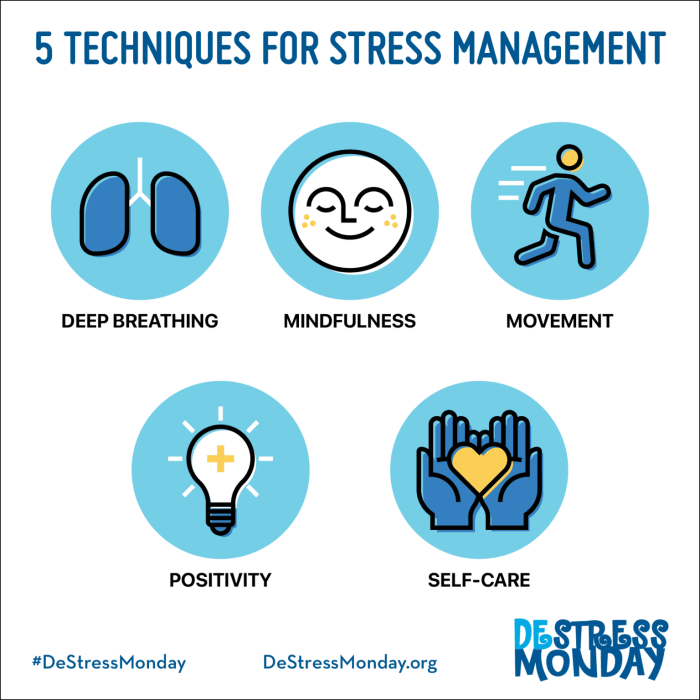
The demands of modern work life, particularly for professionals, can be overwhelming. Juggling deadlines, managing teams, and navigating the complexities of a rapidly changing world can lead to significant stress. Understanding the unique stressors faced by busy professionals in 2024 is crucial for developing effective stress management strategies.
Technology and Social Media’s Impact on Stress
The pervasiveness of technology and social media has significantly impacted stress levels for busy professionals. Constant connectivity, the pressure to be “always on,” and the fear of missing out (FOMO) contribute to a heightened sense of urgency and anxiety. The blurred lines between work and personal life, fostered by readily available communication tools, can lead to a feeling of being constantly available, further exacerbating stress.
“The constant pinging of notifications, the pressure to respond immediately, and the relentless stream of information can make it difficult to disconnect and relax.”Dr. Susan David, Psychologist
Work-Life Balance and Stress Management
Maintaining a healthy work-life balance is essential for effective stress management. Work-life balance is not about achieving an equal split between work and personal life, but rather about finding a rhythm that allows for both personal fulfillment and professional success.
This requires setting boundaries, prioritizing tasks, and learning to say “no” to commitments that may lead to burnout.
“When work spills over into personal life, it can lead to feelings of overwhelm and resentment, contributing to increased stress levels.”Dr. Emily Anhalt, Stress Management Expert
Mindfulness and Meditation Techniques
Mindfulness and meditation are powerful tools for managing stress, especially for busy professionals. By cultivating awareness of the present moment, these practices can help you navigate the demands of your workday with greater ease and clarity.
Practicing Mindfulness for Busy Professionals
Mindfulness is the practice of paying attention to the present moment without judgment. It involves observing your thoughts, feelings, and sensations without getting caught up in them. Here’s a step-by-step guide to incorporating mindfulness into your daily routine:
- Choose a starting point:Begin with a short period, even just a few minutes. You can start by practicing mindfulness during a short break, while commuting, or before a meeting.
- Focus on your breath:Sit comfortably, close your eyes, and bring your attention to your breath. Notice the rise and fall of your chest or abdomen as you inhale and exhale.
- Observe your thoughts and feelings:As thoughts and feelings arise, acknowledge them without judgment. Observe them as passing clouds in the sky. If your mind wanders, gently bring your attention back to your breath.
- Engage your senses:Expand your awareness to include your senses. Notice the sounds around you, the sensations of your body, and any smells or tastes you can perceive.
- Practice regularly:Consistency is key. Aim to practice mindfulness for at least 10-15 minutes each day. You can gradually increase the duration as you become more comfortable.
Effective Meditation Techniques for Reducing Anxiety and Promoting Relaxation
Meditation is a practice that involves focusing your mind on a single point, such as your breath, a mantra, or an image. This practice can help to calm your mind, reduce anxiety, and promote relaxation. Here are some effective meditation techniques:
- Breathing meditation:Focus on your breath, noticing the sensation of each inhale and exhale. This simple technique can help to ground you in the present moment and calm your mind.
- Guided meditation:Guided meditations involve following a voice that leads you through a series of visualizations or exercises. These guided sessions can help you to relax your body and quiet your mind.
- Mindful walking meditation:Pay attention to the sensations of your feet on the ground, the movement of your body, and the surroundings as you walk. This practice can help you to cultivate awareness and reduce stress.
Benefits of Incorporating Mindfulness into Daily Routines
Incorporating mindfulness into your daily routine can offer numerous benefits, including:
- Reduced stress and anxiety:Mindfulness helps you to become more aware of your stress triggers and develop coping mechanisms.
- Improved focus and concentration:By training your mind to be present, mindfulness can enhance your ability to focus and concentrate on tasks.
- Increased emotional regulation:Mindfulness can help you to become more aware of your emotions and develop healthier ways of managing them.
- Enhanced self-awareness:Through mindfulness, you gain a deeper understanding of your thoughts, feelings, and behaviors.
- Improved sleep quality:Mindfulness practices can promote relaxation and reduce racing thoughts, leading to better sleep.
Physical Activity and Stress Relief
Physical activity is a powerful tool for stress management, especially for busy professionals. It offers a range of benefits, from boosting mood and reducing anxiety to improving sleep and enhancing cognitive function. Integrating exercise into your routine can be a game-changer for your overall well-being.
High-Intensity Workout Routine for Busy Professionals
A short, high-intensity workout routine can be incredibly effective for busy professionals. It involves short bursts of intense exercise followed by brief recovery periods. This type of training can be done in a limited amount of time, making it ideal for busy schedules.
- Warm-up: Start with 5 minutes of light cardio, such as jogging in place or jumping jacks, to prepare your body for the workout.
- Workout: Perform 3 sets of 10-12 repetitions of each exercise, with 30-60 seconds of rest between sets.
- Burpees: This exercise works multiple muscle groups and elevates your heart rate. Start in a standing position, squat down, kick your feet back into a plank position, do a push-up, return to the plank, bring your feet back to the squat position, and stand up.
- Squat jumps: These are an explosive exercise that strengthens your lower body and improves power. Start in a squat position, then jump up explosively, landing softly on your feet.
- Mountain climbers: This exercise engages your core and improves cardiovascular fitness. Start in a plank position, then alternate bringing one knee towards your chest, maintaining a straight back.
- Push-ups: This exercise strengthens your chest, shoulders, and triceps. Start in a plank position with your hands shoulder-width apart, lower your body until your chest touches the ground, and push back up.
- Cool-down: Finish with 5 minutes of light stretching to help your muscles recover.
Exercise and Stress Hormone Regulation
Exercise has a profound impact on the body’s stress response system. When you exercise, your body releases endorphins, which have mood-boosting and pain-relieving effects. Exercise also helps to regulate the production of cortisol, the primary stress hormone.
“Regular exercise can help to reduce cortisol levels, which can lead to a decrease in stress, anxiety, and depression.”
By reducing cortisol levels and boosting endorphin production, exercise can help to promote a sense of calm and well-being.
Benefits of Outdoor Activities for Mental Health
Spending time in nature has been shown to have numerous mental health benefits. Exposure to sunlight can help to regulate your sleep-wake cycle and improve your mood. The fresh air and sounds of nature can also have a calming effect on the mind.
- Reduced Stress and Anxiety: Studies have shown that spending time in nature can reduce levels of cortisol, the stress hormone. This can lead to a decrease in feelings of stress and anxiety.
- Improved Mood: Exposure to sunlight can increase the production of serotonin, a neurotransmitter that plays a role in mood regulation. This can help to improve feelings of happiness and well-being.
- Enhanced Creativity: Spending time in nature can help to boost creativity and problem-solving skills.
- Improved Sleep: Exposure to sunlight during the day can help to regulate your sleep-wake cycle, leading to better sleep at night.
Healthy Eating Habits for Stress Management
Nourishing your body with wholesome foods can significantly impact your stress levels. When you fuel your body with the right nutrients, you equip it to better manage stress and maintain emotional well-being.
The Impact of Caffeine and Alcohol Consumption on Stress Levels
Caffeine and alcohol, while often used as stress relievers, can actually exacerbate stress in the long run.
- Caffeineacts as a stimulant, temporarily boosting energy and alertness. However, prolonged caffeine consumption can lead to anxiety, irritability, and sleep disturbances, ultimately increasing stress levels.
- Alcohol, initially providing a sense of relaxation, is a depressant that disrupts sleep patterns and can lead to mood swings, anxiety, and even depression.
It’s essential to be mindful of your intake of these substances and consider alternatives for managing stress.
Key Nutrients that Support Emotional Well-being
Certain nutrients play a vital role in supporting emotional well-being and stress management.
- Omega-3 Fatty Acids, found in fatty fish like salmon, walnuts, and flaxseeds, are essential for brain health and can help regulate mood and reduce inflammation.
- B Vitamins, particularly B6, B9 (folate), and B12, are involved in the production of neurotransmitters that affect mood and energy levels.
- Magnesiumis a mineral that helps relax muscles, reduce anxiety, and improve sleep quality.
- Zincis essential for immune function and can help regulate mood and reduce stress.
A Sample Meal Plan Focusing on Stress-Reducing Foods, Best stress relief techniques for busy professionals in 2024
Here is a sample meal plan that incorporates stress-reducing foods, ensuring you get a balanced intake of essential nutrients:
| Meal | Food Options |
|---|---|
| Breakfast | Oatmeal with berries and walnuts, Greek yogurt with chia seeds and honey, scrambled eggs with spinach and avocado. |
| Lunch | Salmon salad with mixed greens, quinoa bowl with roasted vegetables and chickpeas, lentil soup with whole-grain bread. |
| Dinner | Chicken stir-fry with brown rice and broccoli, baked tofu with sweet potato and black beans, vegetable curry with whole-wheat naan. |
| Snacks | Fruits (bananas, apples, oranges), nuts and seeds (almonds, cashews, pumpkin seeds), dark chocolate, herbal tea. |
Sleep Hygiene for Optimal Stress Reduction
Sleep is a fundamental pillar of well-being, and prioritizing sleep hygiene is essential for busy professionals to manage stress effectively. Adequate sleep allows the body and mind to rest, rejuvenate, and prepare for the demands of the day. Consistent sleep patterns, a relaxing bedtime routine, and a conducive sleep environment are crucial for achieving restful sleep and reducing stress.
Establishing a Consistent Sleep Schedule
A consistent sleep schedule is crucial for regulating the body’s natural sleep-wake cycle, known as the circadian rhythm. This internal clock governs various physiological processes, including sleep, hormone production, and body temperature. By maintaining a regular sleep-wake routine, even on weekends, you signal to your body when it’s time to sleep and wake up, promoting consistent sleep patterns.
- Set a Regular Bedtime and Wake-Up Time:Aim for a consistent sleep schedule, even on weekends, to maintain a regular sleep-wake cycle. This helps regulate your body’s natural sleep-wake cycle and promotes better sleep quality.
- Avoid Napping During the Day:While short naps can be beneficial, prolonged or late-afternoon naps can disrupt your sleep cycle and make it harder to fall asleep at night.
- Create a Quiet and Dark Sleep Environment:A quiet and dark sleep environment is crucial for restful sleep. Use blackout curtains or an eye mask to block out light, and consider using earplugs or a white noise machine to minimize noise distractions.
Creating a Relaxing Bedtime Routine
A relaxing bedtime routine signals to your body that it’s time to wind down and prepare for sleep. By incorporating calming activities into your evening routine, you can ease your mind and body into a state of relaxation.
- Take a Warm Bath or Shower:A warm bath or shower can help relax muscles and promote drowsiness.
- Read a Book or Listen to Calming Music:Engaging in relaxing activities like reading or listening to calming music can help clear your mind and prepare you for sleep.
- Avoid Screen Time Before Bed:The blue light emitted from electronic devices can interfere with melatonin production, a hormone that regulates sleep. Avoid using screens for at least an hour before bedtime.
Impact of Sleep Deprivation on Stress and Productivity
Sleep deprivation has a profound impact on stress levels and overall productivity. When you don’t get enough sleep, your body releases stress hormones like cortisol, which can lead to feelings of anxiety, irritability, and difficulty concentrating.
- Increased Stress Hormone Production:Sleep deprivation triggers the release of stress hormones like cortisol, leading to feelings of anxiety, irritability, and difficulty concentrating.
- Impaired Cognitive Function:Lack of sleep affects cognitive function, including memory, attention, and decision-making abilities, making it harder to focus and perform at your best.
- Reduced Emotional Regulation:Sleep deprivation can make it more challenging to manage emotions, leading to increased sensitivity to stress and a greater likelihood of experiencing emotional outbursts.
Time Management Strategies for Stress Reduction
Time management is a crucial aspect of stress reduction, particularly for busy professionals who juggle demanding work schedules, personal commitments, and other responsibilities. By effectively managing time, professionals can create a sense of control, reduce overwhelm, and improve overall well-being.
Prioritizing Tasks and Setting Realistic Goals
Prioritizing tasks and setting realistic goals are essential for effective time management. By focusing on the most important tasks first, professionals can ensure that they allocate their time wisely and make progress towards their goals.
- The Eisenhower Matrix: This popular time management tool categorizes tasks based on urgency and importance, helping individuals prioritize their workload. Urgent and important tasks should be addressed immediately, while less urgent and less important tasks can be delegated or postponed.
- Time Blocking: Time blocking involves scheduling specific blocks of time for different tasks. This method helps professionals stay focused and avoid distractions by allocating dedicated time slots for specific activities.
- Setting Realistic Goals: Overcommitting and setting unrealistic goals can lead to stress and burnout. It is essential to set achievable goals that align with individual capabilities and time constraints.
Delegating Responsibilities and Avoiding Overcommitting
Delegating responsibilities and avoiding overcommitting are vital for preventing stress and maintaining a healthy work-life balance. By effectively delegating tasks, professionals can free up time for higher-priority activities and empower their team members.
- Identifying Tasks Suitable for Delegation: Not all tasks are suitable for delegation. It is important to identify tasks that can be effectively handled by others, such as administrative duties or routine tasks.
- Providing Clear Instructions and Support: When delegating tasks, it is crucial to provide clear instructions, set expectations, and offer support to ensure successful completion.
- Avoiding Overcommitting: Professionals should be mindful of their commitments and avoid overextending themselves. It is essential to say “no” to requests that are not aligned with their priorities or time constraints.
Social Support and Stress Relief
In the fast-paced world of modern professionals, maintaining strong social connections is more crucial than ever. These connections act as a vital buffer against the constant pressures of work and life, promoting mental and emotional well-being.
The Power of Social Networks
Social support networks play a crucial role in stress management by providing a sense of belonging, validation, and practical assistance. Strong social connections can:
- Reduce stress levels:Sharing worries and concerns with trusted friends and family members can alleviate emotional burden, leading to a reduction in overall stress.
- Enhance coping mechanisms:Social support networks offer a valuable resource for acquiring new perspectives and coping strategies, helping individuals navigate stressful situations more effectively.
- Promote emotional regulation:Feeling connected to others provides a sense of stability and security, enabling individuals to better manage their emotions and respond to stressful events with greater resilience.
- Improve physical health:Studies have shown a strong correlation between social isolation and an increased risk of chronic diseases. Conversely, strong social connections are associated with improved cardiovascular health and a stronger immune system.
Building and Nurturing Healthy Relationships
Cultivating meaningful social connections requires effort and intentionality. Here are some practical tips:
- Make time for social activities:Schedule regular time for socializing, whether it’s meeting friends for coffee, joining a club, or attending community events.
- Be present and engaged:When interacting with others, make an effort to listen attentively, show genuine interest, and offer support when needed.
- Practice empathy and understanding:Try to see things from others’ perspectives and offer compassion and encouragement, even when disagreements arise.
- Reach out to those who are struggling:Offering a listening ear, a helping hand, or simply a kind gesture can make a significant difference in someone’s life.
- Prioritize quality over quantity:It’s better to have a few close friends or family members who provide consistent support than a large network of acquaintances who are not truly invested in your well-being.
Stress Management Tools and Resources: Best Stress Relief Techniques For Busy Professionals In 2024
In today’s fast-paced world, managing stress effectively is crucial for maintaining well-being. Thankfully, numerous tools and resources are available to help busy professionals navigate the challenges of stress. These resources can provide valuable support, guidance, and practical strategies for reducing stress levels and improving overall well-being.
Stress Management Apps and Online Resources
Several mobile applications and online platforms offer a range of stress management techniques and tools. These resources can be accessed conveniently from smartphones or computers, making them ideal for busy professionals seeking quick and accessible solutions.
- Headspace: This popular app provides guided meditations, mindfulness exercises, and sleep programs. It offers a user-friendly interface and a variety of content tailored to different needs and preferences.
- Calm: Calm is another widely recognized app that provides a comprehensive library of guided meditations, sleep stories, and relaxing music. It features a soothing and calming interface, designed to promote relaxation and stress reduction.
- Smiling Mind: This app specializes in mindfulness programs designed specifically for children and teenagers. However, it also offers a selection of mindfulness exercises suitable for adults, promoting self-awareness and stress management.
- Insight Timer: Insight Timer offers a vast library of free guided meditations from various teachers and traditions. It allows users to filter meditations based on their preferences, including duration, style, and topic.
Benefits of Seeking Professional Guidance
Seeking professional guidance from therapists or counselors can provide valuable support and strategies for managing stress effectively. These professionals possess specialized knowledge and experience in addressing stress-related issues and can offer personalized interventions tailored to individual needs.
- Personalized Treatment Plans: Therapists can assess individual stress triggers, coping mechanisms, and overall well-being to develop personalized treatment plans that address specific challenges. This personalized approach ensures that interventions are tailored to individual needs and preferences.
- Stress Management Techniques: Therapists can teach various stress management techniques, including cognitive behavioral therapy (CBT), mindfulness-based stress reduction (MBSR), and relaxation techniques. These techniques can help individuals identify and modify negative thought patterns, develop healthy coping mechanisms, and promote relaxation.
- Emotional Support and Guidance: Therapists provide a safe and confidential space for individuals to express their emotions, explore their stressors, and receive emotional support. This therapeutic relationship can help individuals gain insights into their stress patterns and develop healthy coping strategies.
- Long-Term Stress Reduction: Seeking professional guidance can lead to long-term stress reduction by addressing the root causes of stress and equipping individuals with the tools and skills to manage stress effectively in the long run.
Self-Help Books and Articles
Numerous self-help books and articles offer practical advice and strategies for managing stress effectively. These resources provide insights into stress management techniques, coping mechanisms, and lifestyle changes that can promote well-being.
- “Mindfulness for Beginners” by Jon Kabat-Zinn: This book provides a comprehensive introduction to mindfulness meditation, its benefits, and practical techniques for incorporating mindfulness into daily life.
- “The Power of Now” by Eckhart Tolle: This book explores the concept of present moment awareness and its transformative power in reducing stress and cultivating inner peace.
- “Declutter Your Mind” by S.J. Scott and Barrie Davenport: This book offers practical strategies for reducing mental clutter, improving focus, and managing stress through techniques like prioritizing tasks, setting boundaries, and practicing mindfulness.
- “The Happiness Project” by Gretchen Rubin: This book shares the author’s personal journey of exploring happiness and offers practical strategies for improving well-being, including managing stress, cultivating gratitude, and practicing self-care.
Conclusive Thoughts
By incorporating these stress relief techniques into your life, you can create a more balanced and fulfilling experience. Remember, managing stress is an ongoing journey, and it’s essential to find what works best for you. Prioritize self-care, cultivate healthy habits, and seek support when needed.
You deserve to live a life that is both productive and peaceful.
FAQs
What are some quick stress relief techniques I can do at work?
Try taking short breaks to stretch, listen to calming music, or practice deep breathing exercises. You can also try a quick meditation or mindfulness practice to center yourself.
How can I improve my sleep hygiene?
Establish a consistent sleep schedule, create a relaxing bedtime routine, and avoid screen time before bed. Ensure your bedroom is dark, quiet, and cool for optimal sleep conditions.
What are some good resources for stress management?
There are many apps and websites that offer guided meditations, relaxation techniques, and stress management tools. You can also find self-help books and articles on the topic.


More Stories
Stress management techniques for veterans: Effective strategies for well-being