How to create a balanced diet to support an active lifestyle is a crucial aspect of achieving peak performance and overall well-being. Whether you’re an avid athlete, a fitness enthusiast, or simply looking to improve your energy levels and health, understanding the principles of nutritional balance is essential.
A well-designed diet provides the necessary fuel to power your workouts, promote muscle recovery, and optimize your body’s ability to perform at its best.
This comprehensive guide will delve into the key elements of a balanced diet for active individuals, exploring the importance of macronutrients, micronutrients, hydration, and the role of nutrition in supporting various activity levels. We’ll also address common dietary mistakes to avoid, the importance of stress management and sleep, and the benefits of seeking professional guidance from a registered dietitian.
Understanding the Importance of a Balanced Diet for an Active Lifestyle
A balanced diet is crucial for supporting an active lifestyle. It provides the essential nutrients your body needs to fuel your workouts, recover effectively, and prevent injuries.
Fueling Physical Activity
A balanced diet provides the energy your body needs to perform physical activities. Carbohydrates are the primary source of energy for your muscles, while fats and proteins play supporting roles. Carbohydrates are broken down into glucose, which your muscles use as fuel.
Adequate carbohydrate intake ensures your body has enough energy to power through workouts and maintain your performance over time.
The Relationship Between Nutrition and Energy Levels
Nutrition plays a significant role in regulating energy levels. When you consume a balanced diet, your body is better equipped to manage energy fluctuations throughout the day. This means you’ll have the stamina to tackle your workouts and avoid feeling fatigued or sluggish.
The Connection Between Nutrition and Muscle Recovery, How to create a balanced diet to support an active lifestyle
Muscle recovery is essential for athletes and active individuals. After a workout, your muscles need time to repair and rebuild. Protein is crucial for muscle growth and repair. Consuming adequate protein after exercise helps your body recover more effectively and build stronger muscles.
The Role of Nutrition in Injury Prevention
A balanced diet can help prevent injuries by providing the nutrients your body needs for joint health, bone strength, and tissue repair. Calcium, vitamin D, and collagen are essential for bone health and can reduce the risk of stress fractures.
The Impact of Nutrient Deficiencies on Athletic Performance
Nutrient deficiencies can significantly impact athletic performance. For example, iron deficiency (anemia) can lead to fatigue, shortness of breath, and decreased endurance. Inadequate calcium intake can weaken bones, increasing the risk of fractures. Vitamin D deficiency can impair muscle function and bone health.
Building a Balanced Diet Foundation: How To Create A Balanced Diet To Support An Active Lifestyle
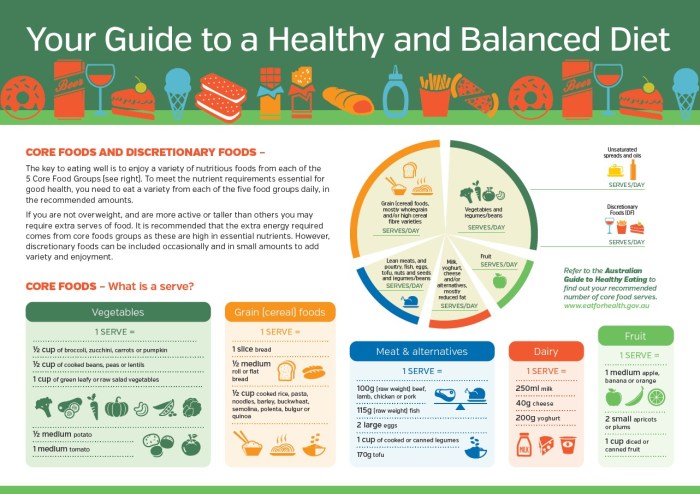
A balanced diet is the cornerstone of an active lifestyle. It provides the necessary fuel for your body to perform at its best, recover effectively, and prevent injuries. To build a balanced diet foundation, understanding the role of essential macronutrients and micronutrients is crucial.
Macronutrients
Macronutrients are the building blocks of your diet, providing energy and essential components for your body. These are the three main macronutrients:
- Carbohydrates:Carbohydrates are your body’s primary energy source, especially during intense physical activity. They are broken down into glucose, which your muscles use for fuel. Examples of carbohydrate-rich foods include whole grains, fruits, vegetables, and legumes.
- Protein:Protein is essential for building and repairing muscle tissue, which is crucial for athletes. It also plays a role in hormone production and immune function. Good sources of protein include lean meats, poultry, fish, eggs, dairy products, beans, and lentils.
- Fats:Fats are an important energy source and help your body absorb vitamins. They also play a role in hormone production and cell function. Healthy fats, such as those found in olive oil, avocados, nuts, and seeds, are essential for overall health.
Micronutrients
Micronutrients are vitamins and minerals that are essential for various bodily functions. They play a vital role in supporting an active lifestyle, contributing to energy production, muscle recovery, and overall health. Here are some important micronutrients for athletes:
- Iron:Iron is essential for carrying oxygen throughout the body, which is crucial for muscle function and endurance. Good sources of iron include red meat, poultry, fish, beans, and lentils.
- Calcium:Calcium is essential for strong bones and teeth, which is important for athletes who put stress on their bodies. It also plays a role in muscle function and nerve transmission. Good sources of calcium include dairy products, leafy green vegetables, and fortified foods.
- Vitamin D:Vitamin D helps your body absorb calcium, which is important for bone health. It also plays a role in immune function. Good sources of vitamin D include sunlight, fatty fish, and fortified foods.
- Vitamin C:Vitamin C is an antioxidant that helps protect your cells from damage. It also plays a role in collagen production, which is important for wound healing. Good sources of vitamin C include fruits and vegetables.
Sample Daily Meal Plan
Here is a sample daily meal plan that demonstrates a balanced intake of macronutrients and micronutrients for an active individual:
- Breakfast:Oatmeal with berries and nuts (carbohydrates, protein, healthy fats, fiber, vitamins, minerals)
- Lunch:Grilled chicken salad with mixed greens, avocado, and quinoa (protein, carbohydrates, healthy fats, fiber, vitamins, minerals)
- Dinner:Salmon with roasted vegetables and brown rice (protein, carbohydrates, healthy fats, fiber, vitamins, minerals)
- Snacks:Greek yogurt with fruit, trail mix, or a handful of almonds (protein, carbohydrates, healthy fats, fiber, vitamins, minerals)
Fueling Your Body Before, During, and After Exercise
Your body is a machine, and like any machine, it needs fuel to perform at its best. When you exercise, you’re putting your body through a demanding process, and it’s essential to provide it with the right nutrients to support optimal performance and recovery.
This section will delve into the importance of fueling your body before, during, and after exercise, and how to create a meal plan that supports your active lifestyle.
Pre-Workout Meal Planning
A pre-workout meal plays a crucial role in providing your body with sustained energy and maximizing performance. The goal is to consume a meal that is easily digestible, rich in carbohydrates, and provides a moderate amount of protein. This will ensure a steady release of energy throughout your workout, preventing fatigue and supporting muscle function.Here are some pre-workout meal plan examples:
- Oatmeal with berries and a drizzle of honey: Oatmeal is a great source of complex carbohydrates, which provide sustained energy, while berries offer antioxidants and fiber. Honey provides a quick energy boost.
- Whole-wheat toast with peanut butter and banana: Whole-wheat toast provides complex carbohydrates, peanut butter offers protein and healthy fats, and banana provides potassium, which is essential for muscle function.
- Greek yogurt with fruit and granola: Greek yogurt is a good source of protein and calcium, while fruit provides carbohydrates and fiber. Granola adds some healthy fats and extra fiber.
It’s important to note that the timing of your pre-workout meal is crucial. Ideally, you should aim to eat a meal about 2-3 hours before your workout. This allows your body to digest the food properly and avoid feeling sluggish during your exercise.
If you’re short on time, a smaller snack like a banana or a handful of almonds can be a good alternative.
Fueling During Long Workouts or Competitions
For long workouts or competitions lasting more than an hour, fueling your body during exercise is essential to maintain energy levels and prevent fatigue. The focus should be on easily digestible carbohydrates and fluids.Here are some strategies for fueling during long workouts:
- Sports drinks: Sports drinks provide carbohydrates and electrolytes, which are lost through sweat. Choose a sports drink that is low in sugar and contains electrolytes like sodium and potassium.
- Energy gels: Energy gels are a concentrated source of carbohydrates that can be easily consumed during exercise. Choose gels that are low in fructose and high in glucose for optimal absorption.
- Fruit: Fruits like bananas, apples, and oranges provide carbohydrates and electrolytes. They are also a good source of fiber, which can help slow down the absorption of sugar.
The amount of carbohydrates you need to consume during exercise will depend on the duration and intensity of your workout. It’s important to experiment and find what works best for you.
Post-Workout Recovery Meals
After a strenuous workout, your body needs to recover and rebuild muscle tissue. Post-workout recovery meals play a vital role in this process. These meals should be rich in protein and carbohydrates to replenish energy stores and support muscle repair and growth.
“Consuming protein within 30 minutes of completing your workout is ideal for muscle protein synthesis.”
Here are some examples of post-workout recovery meals:
- Chicken breast with brown rice and vegetables: Chicken breast is a good source of protein, brown rice provides carbohydrates, and vegetables offer vitamins and minerals.
- Tuna salad sandwich on whole-wheat bread: Tuna is a lean source of protein, and whole-wheat bread provides carbohydrates. The salad can be made with vegetables and a light dressing.
- Greek yogurt with fruit and nuts: Greek yogurt is a good source of protein and calcium, while fruit provides carbohydrates. Nuts add healthy fats and protein.
In addition to protein and carbohydrates, it’s important to consume enough fluids after exercise to rehydrate your body. Water is the best choice, but you can also opt for sports drinks if you have lost significant electrolytes.
Healthy Habits Beyond Nutrition
A balanced diet is a crucial foundation for an active lifestyle, but it’s just one piece of the puzzle. To truly thrive, you need to adopt a holistic approach that encompasses various healthy habits beyond nutrition. These habits work synergistically to enhance your overall well-being, improve your performance, and help you live a longer, healthier life.
Fitness Routine
Regular exercise is essential for maintaining a healthy weight, building muscle mass, and improving cardiovascular health. It also plays a vital role in boosting your mood, reducing stress, and enhancing your sleep quality.
- Cardiovascular Exercise:This type of exercise strengthens your heart and lungs, improves blood circulation, and burns calories. Examples include running, swimming, cycling, and dancing.
- Strength Training:Strength training helps build and maintain muscle mass, which is crucial for maintaining a healthy metabolism and preventing age-related muscle loss. Examples include weightlifting, resistance band exercises, and bodyweight exercises.
- Flexibility and Balance Exercises:These exercises improve your range of motion, reduce the risk of injury, and enhance your coordination. Examples include yoga, Pilates, and Tai Chi.
Aim for at least 150 minutes of moderate-intensity aerobic activity or 75 minutes of vigorous-intensity aerobic activity per week, along with two or more days of strength training.
Stress Relief
Stress is a natural part of life, but chronic stress can have detrimental effects on your physical and mental health. It can lead to weight gain, sleep disturbances, weakened immunity, and even increase your risk of chronic diseases.
- Meditation:Meditation involves focusing your attention on the present moment and cultivating a sense of calm and awareness. It can help reduce stress, anxiety, and depression.
- Yoga:Yoga combines physical postures, breathing techniques, and meditation to promote relaxation and reduce stress. It can also improve flexibility, balance, and strength.
- Spending Time in Nature:Spending time in nature has been shown to have numerous benefits for mental and physical health. It can reduce stress, improve mood, and increase feelings of well-being.
- Deep Breathing Exercises:Deep breathing exercises can help calm your nervous system and reduce stress. Try taking slow, deep breaths, focusing on your breath as you inhale and exhale.
Emotional Wellbeing
Emotional health is just as important as physical health. Taking care of your emotional well-being can help you cope with stress, build resilience, and live a more fulfilling life.
- Self-Care:Self-care involves engaging in activities that promote your physical, mental, and emotional well-being. This could include things like taking a warm bath, reading a book, spending time with loved ones, or engaging in hobbies you enjoy.
- Gratitude Practice:Practicing gratitude involves focusing on the positive aspects of your life and appreciating the good things you have. This can help shift your perspective and boost your mood.
- Seeking Professional Help:If you’re struggling with your emotional health, don’t hesitate to seek professional help. A therapist can provide support and guidance as you work through your challenges.
Healthy Aging
Maintaining a healthy lifestyle throughout your life is essential for healthy aging. This includes eating a balanced diet, engaging in regular exercise, and managing stress effectively.
- Nutrition:As you age, your nutritional needs may change. Focus on consuming nutrient-rich foods, including fruits, vegetables, whole grains, lean protein, and healthy fats.
- Exercise:Staying active as you age is crucial for maintaining muscle mass, bone density, and balance. Engage in a variety of exercises, including cardiovascular exercise, strength training, and flexibility exercises.
- Stress Management:Stress can have a significant impact on your health as you age. Find healthy ways to manage stress, such as meditation, yoga, spending time in nature, or engaging in hobbies you enjoy.
Disease Prevention
A balanced diet and active lifestyle can significantly reduce your risk of developing chronic diseases, such as heart disease, stroke, type 2 diabetes, and certain types of cancer.
- Heart Health:A healthy diet low in saturated and trans fats, cholesterol, and sodium, along with regular exercise, can help lower your risk of heart disease and stroke.
- Diabetes Prevention:Maintaining a healthy weight and engaging in regular exercise can help prevent type 2 diabetes.
- Cancer Prevention:A diet rich in fruits, vegetables, and whole grains, along with regular exercise, can help reduce your risk of certain types of cancer.
Immune Support
A healthy diet plays a vital role in boosting your immune system and preventing illness.
- Nutrient-Rich Foods:Focus on consuming foods rich in vitamins, minerals, and antioxidants, such as fruits, vegetables, whole grains, lean protein, and healthy fats.
- Hydration:Staying hydrated is essential for immune function. Aim to drink plenty of water throughout the day.
- Sleep:Getting enough sleep is crucial for immune function. Aim for 7-8 hours of sleep per night.
Seeking Professional Guidance
Navigating the world of nutrition can be overwhelming, especially when trying to optimize your diet for an active lifestyle. Consulting with a registered dietitian can provide valuable personalized guidance and support, helping you achieve your health and fitness goals.
Benefits of Consulting a Registered Dietitian
Working with a registered dietitian offers several benefits, including:
- Personalized Nutrition Plan:A registered dietitian will create a meal plan tailored to your individual needs, considering your activity level, dietary preferences, and any health conditions you may have. This ensures you’re getting the right amount of macronutrients, vitamins, and minerals to fuel your workouts and support your overall health.
- Addressing Specific Health Concerns:If you have specific health concerns, such as diabetes, heart disease, or food allergies, a registered dietitian can help you create a diet plan that addresses these needs. They can provide guidance on managing your condition through diet and recommend appropriate supplements or modifications.
- Weight Management:A registered dietitian can help you achieve a healthy weight through balanced eating habits and sustainable lifestyle changes. They can teach you how to make informed food choices, portion control, and manage your calorie intake.
- Improved Performance:By providing you with the right nutrition, a registered dietitian can help you improve your athletic performance and recovery. They can guide you on pre-workout and post-workout nutrition strategies, as well as hydration needs during exercise.
- Enhanced Knowledge and Skills:Consulting with a registered dietitian can equip you with valuable knowledge and skills to make informed food choices and maintain a healthy lifestyle long-term. They can provide education on various topics, such as reading food labels, understanding macronutrients, and preparing healthy meals.
Role of Healthcare Professionals
Healthcare professionals, such as doctors, nurses, and physical therapists, play a vital role in addressing specific health concerns or dietary needs. They can identify any underlying conditions that may require dietary modifications and refer you to a registered dietitian for personalized guidance.
For example, if you have a history of high blood pressure or cholesterol, your doctor may recommend a low-sodium or low-fat diet, and a registered dietitian can help you implement these changes effectively.
Ultimate Conclusion

By embracing the principles Artikeld in this guide, you can empower yourself to fuel your active lifestyle with a balanced diet that supports your body’s needs. Remember, consistency is key, and incorporating healthy habits into your daily routine will yield long-term benefits for your performance, health, and overall well-being.
Don’t hesitate to consult with a registered dietitian for personalized advice and guidance as you embark on your journey towards optimal nutritional balance.
FAQs
What are some common dietary mistakes that athletes make?
Common dietary mistakes include not consuming enough carbohydrates, skipping meals, relying heavily on supplements, and not staying adequately hydrated.
How much water should I drink per day?
The amount of water you need to drink per day varies based on your activity level, climate, and individual needs. However, a general guideline is to aim for 8-10 glasses of water daily.
Is it necessary to take supplements?
Supplements can be beneficial in some cases, but they should not replace a balanced diet. Consult with a registered dietitian to determine if supplements are necessary for you.
What are some tips for managing stress through nutrition?
Stress-reducing foods include fruits, vegetables, whole grains, lean protein, and healthy fats. Avoid processed foods, sugary drinks, and excessive caffeine.


More Stories
How to prevent injuries in a fitness routine: A Comprehensive Guide