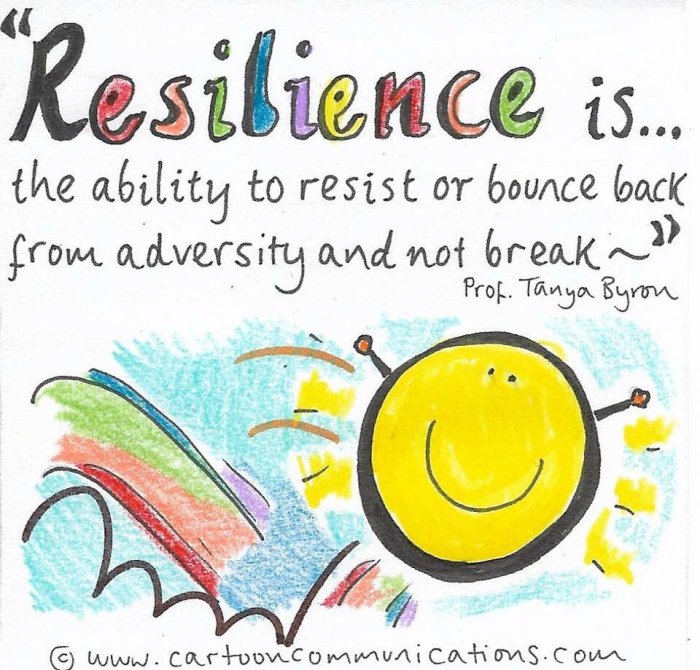
How mental resilience impacts overall mental health and well-being is a topic that has gained significant attention in recent years. Mental resilience, often described as the ability to bounce back from adversity, is increasingly recognized as a crucial factor in maintaining a healthy and fulfilling life.
This exploration delves into the multifaceted nature of mental resilience, examining its impact on our emotional well-being, stress management, and overall health.
From navigating everyday challenges to overcoming significant life obstacles, mental resilience plays a pivotal role in shaping our experiences. Individuals with strong mental resilience tend to possess a unique blend of characteristics, including adaptability, optimism, and a sense of purpose.
They are better equipped to cope with stress, maintain emotional stability, and find meaning in the face of adversity.
Understanding Mental Resilience
Mental resilience is the ability to adapt to challenges, bounce back from adversity, and thrive in the face of difficulties. It’s a crucial aspect of overall well-being, allowing individuals to navigate life’s inevitable ups and downs with greater ease and strength.
Key Characteristics of Mentally Resilient Individuals
Mentally resilient individuals possess a set of characteristics that enable them to cope with stress, overcome obstacles, and maintain a positive outlook. These characteristics include:
- Optimism:They tend to focus on the positive aspects of situations and believe in their ability to overcome challenges.
- Self-Awareness:They understand their strengths and weaknesses, allowing them to leverage their strengths and work on areas for improvement.
- Problem-Solving Skills:They approach challenges with a proactive mindset, seeking solutions and taking action to address issues.
- Flexibility and Adaptability:They are willing to adjust their plans and strategies when necessary, embracing change and learning from new experiences.
- Strong Support Systems:They have a network of supportive friends, family, and mentors who provide encouragement and assistance during difficult times.
Examples of Mental Resilience in Everyday Life
Mental resilience manifests in various ways in everyday life. Here are some examples:
- A student facing academic challenges:Instead of giving up, they seek help from teachers, study groups, or tutors, demonstrating their problem-solving skills and commitment to learning.
- An individual experiencing a job loss:They use their resilience to adapt to the situation, actively seeking new opportunities and utilizing their skills to find a new path.
- A person coping with a chronic illness:They maintain a positive attitude, engage in self-care practices, and actively participate in their treatment plan, demonstrating their ability to adapt and thrive despite challenges.
The Impact of Mental Resilience on Mental Health
Mental resilience, the ability to bounce back from adversity, is a vital factor in promoting overall mental health and well-being. It acts as a protective shield against the negative effects of stress and adversity, helping individuals navigate life’s challenges with greater ease and maintain their mental equilibrium.
Mental Resilience as a Buffer Against Stress and Adversity
Mental resilience plays a crucial role in mitigating the impact of stress and adversity on mental health. When individuals possess mental resilience, they are better equipped to cope with stressful situations, adapt to change, and maintain a positive outlook even in the face of challenges.
“Resilience is not the absence of stress or adversity, but the ability to adapt and thrive in the face of it.”Dr. Bonnie St. John
Mental resilience enables individuals to:
- Regulate their emotions: By developing self-awareness and emotional regulation skills, individuals can manage their emotional responses to stressful events, preventing overwhelming feelings of anxiety, fear, or sadness.
- Maintain a positive outlook: A resilient mindset allows individuals to focus on solutions rather than dwelling on problems, fostering a sense of hope and optimism, even in challenging circumstances.
- Develop effective coping mechanisms: Mental resilience empowers individuals to adopt healthy coping strategies, such as exercise, mindfulness, or seeking support from others, to manage stress and adversity.
- Learn from setbacks: Resilience encourages individuals to view setbacks as opportunities for growth and learning, fostering a sense of adaptability and perseverance.
Mental Resilience and Reduced Risk of Mental Health Conditions
Numerous studies have demonstrated a strong correlation between mental resilience and a reduced risk of developing mental health conditions. Individuals with higher levels of mental resilience are better equipped to withstand the pressures of life, reducing their vulnerability to conditions such as anxiety, depression, and post-traumatic stress disorder (PTSD).
- Reduced risk of anxiety: Studies have shown that individuals with high levels of mental resilience are less likely to experience anxiety disorders, as they are better able to cope with stressful situations and manage their emotional responses.
- Lower incidence of depression: Research suggests that mental resilience acts as a protective factor against depression, enabling individuals to maintain a positive outlook, cope with challenges, and seek support when needed.
- Increased resilience to PTSD: Mental resilience can play a significant role in mitigating the long-term effects of trauma, reducing the risk of developing PTSD by promoting emotional regulation, coping skills, and a sense of hope.
Positive Impact of Mental Resilience on Emotional Regulation and Coping Mechanisms
Mental resilience significantly enhances emotional regulation and coping mechanisms, enabling individuals to navigate life’s challenges with greater ease and maintain their mental well-being.
- Improved emotional regulation: Mental resilience empowers individuals to develop self-awareness and emotional regulation skills, allowing them to manage their emotions effectively and prevent them from becoming overwhelmed by stress or adversity.
- Enhanced coping mechanisms: Individuals with high levels of mental resilience are more likely to adopt healthy coping strategies, such as exercise, mindfulness, or seeking support from others, to manage stress and adversity.
- Increased adaptability: Mental resilience fosters adaptability, enabling individuals to adjust to change and navigate new or unexpected situations with greater ease.
The Role of Mental Resilience in Well-being
Mental resilience is not merely about bouncing back from challenges; it’s also about thriving and flourishing in life. Individuals with strong mental resilience experience a greater sense of purpose and meaning, enjoy improved social connections, and possess higher self-esteem and confidence.
This section delves into the multifaceted impact of mental resilience on well-being.
Mental Resilience and a Sense of Purpose
Mental resilience plays a crucial role in finding meaning and purpose in life. By equipping individuals with the ability to navigate challenges, mental resilience fosters a sense of agency and control over their lives. This empowers individuals to pursue their goals and values, ultimately leading to a greater sense of fulfillment and meaning.
Mental Resilience and Social Connections
Mental resilience fosters healthy and fulfilling social connections. Individuals with strong mental resilience are better equipped to navigate social challenges, build trust, and maintain healthy relationships. This enhanced ability to connect with others contributes to a sense of belonging, support, and community, all of which are essential for overall well-being.
Mental Resilience and Self-Esteem
Mental resilience is directly linked to self-esteem and confidence. By fostering a belief in one’s ability to cope with challenges, mental resilience empowers individuals to overcome setbacks and achieve their goals. This, in turn, leads to a more positive self-image and increased confidence in one’s capabilities.
Building Mental Resilience
Mental resilience is not something you’re born with; it’s a skill that can be developed and strengthened over time. Just like physical exercise builds muscle, engaging in specific practices can enhance your ability to bounce back from challenges and maintain a positive outlook.
Mindfulness Practices
Mindfulness involves paying attention to the present moment without judgment. It helps you become more aware of your thoughts, feelings, and bodily sensations, allowing you to manage stress and develop a greater sense of self-control.
- Meditation:Regular meditation practice, even for a few minutes each day, can train your mind to focus and observe thoughts without getting carried away by them. This cultivates a sense of calm and clarity.
- Mindful Breathing:Simple breathing exercises can anchor you to the present moment. Focusing on your breath helps to regulate your nervous system and reduce anxiety.
- Yoga and Tai Chi:These practices combine physical movement with mindfulness, promoting both physical and mental well-being. They enhance body awareness and help you connect with your inner self.
Cognitive Reframing
Cognitive reframing involves challenging negative thoughts and replacing them with more balanced and realistic perspectives. It helps you break free from self-defeating patterns and build a more positive mindset.
- Identify Negative Thought Patterns:Pay attention to the recurring negative thoughts that you experience. What are the common themes or triggers?
- Challenge the Validity:Once you identify a negative thought, question its validity. Is there evidence to support it? Are there alternative perspectives to consider?
- Reframe the Situation:Try to find a more positive or neutral way to interpret the situation. Focus on the lessons learned and the opportunities for growth.
Stress Management Techniques
Stress can significantly impact mental resilience. Implementing effective stress management techniques can help you cope with challenges and maintain your well-being.
- Physical Exercise:Regular physical activity releases endorphins, which have mood-boosting effects. It also helps to reduce stress hormones and improve sleep quality.
- Time Management:Effective time management strategies can reduce feelings of overwhelm and anxiety. Prioritize tasks, set realistic goals, and break down large projects into smaller, manageable steps.
- Social Support:Connecting with loved ones and seeking support from others can provide a sense of belonging and reduce feelings of isolation. Sharing your challenges and concerns can also offer valuable perspectives.
Resilience-Building Techniques and Benefits
| Technique | Benefits |
|---|---|
| Mindfulness Meditation | Reduced stress, improved focus, increased self-awareness, emotional regulation |
| Cognitive Reframing | More positive outlook, reduced negativity bias, increased resilience to setbacks |
| Stress Management Techniques (Exercise, Time Management, Social Support) | Reduced stress levels, improved mood, enhanced coping skills, improved sleep quality |
Mental Resilience and Specific Health Areas
Mental resilience is not just about overcoming challenges; it’s about actively engaging in behaviors and practices that promote overall well-being and contribute to a healthier life. By fostering resilience, we equip ourselves to navigate life’s inevitable stressors and enhance our capacity for thriving across various health areas.
Stress Management
Mental resilience plays a pivotal role in effective stress management. When faced with stressful situations, resilient individuals are better equipped to:
- Identify and challenge negative thought patterns: Instead of dwelling on stressful thoughts, they engage in cognitive reframing, looking for alternative perspectives and solutions. This helps to break the cycle of negative thinking and promotes a more positive outlook.
- Develop healthy coping mechanisms: Resilient individuals have a toolbox of coping strategies that they can draw upon to manage stress. These might include exercise, mindfulness practices, spending time in nature, or engaging in hobbies.
- Maintain a sense of control: Resilience fosters a sense of agency and control over one’s life, even amidst challenging circumstances. This can help individuals feel empowered to take proactive steps to manage stress rather than feeling overwhelmed by it.
By developing mental resilience, individuals can significantly reduce the negative impact of stress on their physical and mental health.
Healthy Lifestyle and Aging
Mental resilience is a cornerstone of a healthy lifestyle and successful aging.
- Motivation and Goal Setting: Resilience fuels the motivation needed to adopt and maintain healthy habits. It helps individuals set realistic goals, stay committed to their health plans, and overcome setbacks along the way.
- Positive Outlook and Social Connection: A resilient mindset promotes a positive outlook on life, which is essential for maintaining a healthy lifestyle. It also encourages social engagement, which is crucial for mental and physical well-being, particularly as we age.
- Adaptation and Flexibility: As we age, our bodies and lives change. Resilience enables individuals to adapt to these changes, maintain their independence, and embrace new experiences. It helps them navigate the challenges of aging with grace and resilience.
Cardiovascular Health and Immune Function
Mental resilience has a positive impact on cardiovascular health and immune function.
- Stress Reduction: Resilience reduces stress levels, which are known to contribute to cardiovascular disease. By effectively managing stress, resilient individuals can lower their risk of heart disease and stroke.
- Improved Sleep: Mental resilience promotes better sleep quality, which is essential for overall health and well-being. Adequate sleep supports immune function and helps regulate blood pressure and heart rate.
- Healthy Habits: Resilient individuals are more likely to engage in healthy behaviors such as regular exercise, a balanced diet, and stress-reducing activities. These habits contribute to a strong immune system and lower the risk of cardiovascular disease.
Mental Resilience and Healthy Habits: How Mental Resilience Impacts Overall Mental Health And Well-being
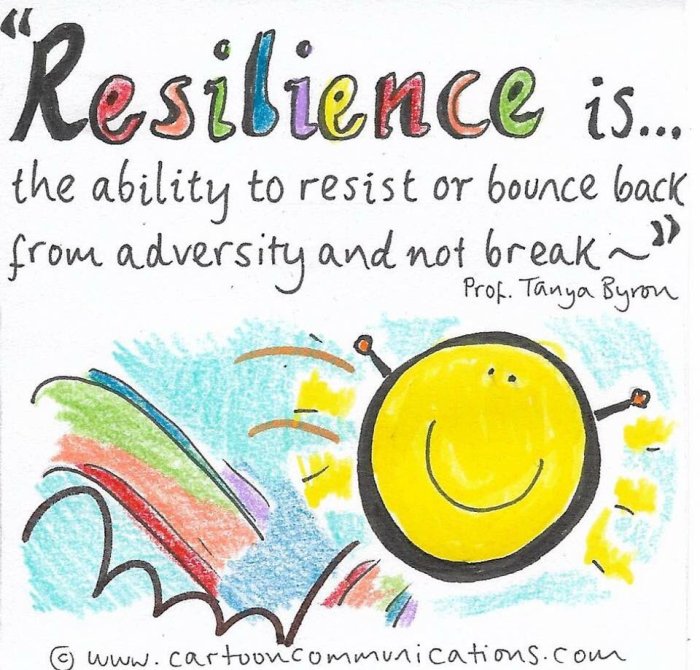
Mental resilience is not just about our mental fortitude; it also plays a crucial role in shaping our daily habits, particularly those that contribute to our physical well-being. The connection between mental resilience and healthy habits is multifaceted, influencing our choices and behaviors in various aspects of our lives.
Mental Resilience and Sleep Hygiene
Sleep hygiene is a vital aspect of physical and mental health, and mental resilience plays a significant role in promoting good sleep habits. Individuals with high mental resilience tend to prioritize their sleep, recognizing its importance for their overall well-being.
- Stress Management:Mental resilience equips individuals with effective stress management techniques, which helps them unwind and relax before bedtime. This reduces the likelihood of racing thoughts and anxiety that can interfere with sleep.
- Regular Sleep Schedules:Mentally resilient individuals tend to maintain consistent sleep schedules, even on weekends, as this helps regulate their circadian rhythm, promoting better sleep quality.
- Creating a Conducive Sleep Environment:Mental resilience often leads to creating a calming and comfortable sleep environment, free from distractions like electronic devices and noise. This allows for deeper and more restorative sleep.
Mental Resilience and Hydration
Adequate hydration is essential for optimal physical and cognitive function, and mental resilience can positively influence our hydration habits.
- Mindfulness and Awareness:Mentally resilient individuals are often more mindful of their body’s signals, including thirst. This increased awareness encourages them to stay hydrated throughout the day.
- Habit Formation:Mental resilience helps individuals establish healthy habits, including carrying a water bottle and regularly consuming fluids. This proactive approach ensures they consistently meet their hydration needs.
- Avoiding Dehydration-Related Fatigue:Mental resilience can help individuals recognize the connection between dehydration and fatigue. By staying hydrated, they prevent the mental fog and decreased energy levels that can accompany dehydration, promoting mental clarity and focus.
Mental Resilience and Nutritional Balance
Mental resilience is closely linked to nutritional balance, as it encourages individuals to make conscious food choices that support their physical and mental well-being.
- Emotional Eating:Mentally resilient individuals are more likely to be aware of their emotional triggers for eating and develop coping mechanisms to manage stress and emotions without relying on food.
- Mindful Eating:Mental resilience promotes mindful eating, where individuals pay attention to their hunger cues and savor their meals, fostering a more balanced relationship with food.
- Nutrient-Rich Diet:Mentally resilient individuals often prioritize a diet rich in fruits, vegetables, and whole grains, providing their bodies with the essential nutrients for optimal mental and physical function.
Mental Resilience and Active Lifestyle Choices
Mental resilience plays a significant role in motivating individuals to embrace an active lifestyle.
- Stress Reduction:Exercise is a powerful stress reliever, and mentally resilient individuals often recognize its benefits for their mental well-being. They incorporate physical activity into their routines to manage stress and enhance their mood.
- Increased Energy Levels:Mental resilience encourages individuals to prioritize physical activity, which can lead to increased energy levels and reduced fatigue. This allows them to engage in their daily activities with more focus and vitality.
- Improved Sleep Quality:Regular physical activity can promote better sleep quality, which is essential for mental resilience. Mentally resilient individuals often make time for exercise to improve their sleep patterns.
Mental Resilience and Emotional Well-being
Mental resilience plays a crucial role in emotional well-being, influencing how we manage our emotions and navigate challenges. Resilient individuals possess the ability to bounce back from adversity and maintain a positive outlook, fostering a sense of hope and optimism.
Emotional Regulation and Intelligence
Emotional regulation is the ability to control and manage one’s emotions effectively. Mental resilience empowers individuals to recognize and understand their emotions, allowing them to respond appropriately without being overwhelmed. This skill is essential for maintaining healthy relationships, managing stress, and achieving personal goals.Emotional intelligence, a key component of mental resilience, involves recognizing and understanding one’s own emotions as well as those of others.
It enables individuals to empathize, build strong connections, and navigate social situations effectively.
Mental Resilience and Medical Innovations
The field of medicine is constantly evolving, and new innovations are emerging that have the potential to significantly impact mental resilience. Advancements in our understanding of the brain and the development of new treatments are offering hope for individuals struggling with mental health challenges and promoting greater resilience.
Impact of Medical Innovations on Mental Resilience
Medical innovations can enhance mental resilience in several ways. Firstly, they can help to improve the effectiveness of existing treatments. For example, personalized medicine, which tailors treatments to an individual’s unique genetic makeup and other factors, is showing promise in improving outcomes for mental health conditions.
Secondly, medical innovations can lead to the development of entirely new treatments that address the underlying causes of mental health problems. For example, research into the role of neurotransmitters in mental illness has led to the development of new medications that target specific pathways in the brain.
Finally, medical innovations can also help to improve access to mental health care, making it easier for individuals to get the help they need. This is particularly important in underserved communities where access to mental health care is limited.
Examples of Medical Innovations Promoting Mental Resilience
- Brain Stimulation Therapies:Transcranial magnetic stimulation (TMS) and electroconvulsive therapy (ECT) are non-invasive brain stimulation techniques that have been shown to be effective in treating depression and other mental health conditions. These therapies work by stimulating specific areas of the brain, which can help to regulate mood and reduce symptoms.
- Psychedelic-Assisted Therapy:Research is exploring the use of psychedelic substances, such as psilocybin and MDMA, in therapeutic settings. These substances can induce profound experiences that may help individuals to overcome trauma, anxiety, and depression. However, it is important to note that these treatments are still in the early stages of development and require careful supervision.
- Digital Mental Health Tools:The development of apps and other digital tools is providing new ways to access mental health care and support. These tools can offer personalized therapy sessions, mindfulness exercises, and other resources that can promote mental resilience. For example, apps that track mood and sleep patterns can help individuals to identify potential triggers for stress and anxiety, allowing them to develop strategies for coping with these challenges.
Mental Resilience and Nutritional Supplements
Mental resilience is not solely about mental strength; it’s also about ensuring your body has the right nutrients to support brain health and cognitive function. While a balanced diet is essential, certain nutritional supplements can play a crucial role in enhancing mental resilience.
Supplements for Mental Resilience
These supplements are known to support brain health and cognitive function, contributing to overall mental resilience:
- Omega-3 Fatty Acids:Found in fatty fish, flaxseeds, and walnuts, omega-3 fatty acids are crucial for brain cell development and function. They play a vital role in mood regulation, memory, and cognitive flexibility. Studies suggest that omega-3 supplementation can be beneficial for individuals with depression, anxiety, and attention-deficit/hyperactivity disorder (ADHD).
- Vitamin D:Often referred to as the “sunshine vitamin,” vitamin D is produced by the body when exposed to sunlight. It plays a critical role in regulating mood, sleep, and cognitive function. Low vitamin D levels have been linked to depression, anxiety, and cognitive decline.
Supplementing with vitamin D can help address these issues and enhance mental resilience.
- B Vitamins:The B vitamins, particularly B6, B9 (folate), and B12, are essential for neurotransmitter synthesis, energy production, and cognitive function. Deficiencies in these vitamins can lead to fatigue, mood swings, and cognitive impairment. Supplementing with B vitamins can help improve mood, focus, and overall mental well-being.
- Magnesium:Magnesium is a vital mineral that plays a crucial role in stress management, sleep quality, and cognitive function. It helps regulate neurotransmitter activity, promotes relaxation, and supports overall mental well-being. Magnesium deficiency can contribute to anxiety, insomnia, and mood disorders.
Supplementing with magnesium can help address these issues and enhance mental resilience.
- Zinc:Zinc is an essential mineral for brain health and cognitive function. It plays a role in neurotransmitter synthesis, memory, and learning. Zinc deficiency can lead to impaired cognitive function, mood disorders, and anxiety. Supplementing with zinc can help improve cognitive function and overall mental well-being.
Potential Benefits of Supplements
| Supplement | Potential Benefits |
|---|---|
| Omega-3 Fatty Acids | Improved mood, reduced anxiety, enhanced cognitive function, better sleep quality |
| Vitamin D | Elevated mood, reduced risk of depression, improved sleep, enhanced cognitive function |
| B Vitamins | Improved mood, reduced fatigue, enhanced cognitive function, better sleep quality |
| Magnesium | Reduced anxiety, improved sleep quality, enhanced cognitive function, stress management |
| Zinc | Improved cognitive function, reduced anxiety, enhanced mood, better memory |
Mental Resilience and Fitness Routine
Regular physical activity plays a crucial role in fostering mental resilience. Engaging in exercise offers numerous benefits that can significantly enhance our ability to cope with life’s challenges and maintain overall well-being.
Benefits of Exercise for Mental Resilience
Exercise has a profound impact on our mental health by reducing stress, improving mood, and enhancing cognitive function.
- Stress Reduction:Exercise releases endorphins, which have mood-boosting effects and act as natural painkillers. Engaging in physical activity helps to alleviate stress hormones like cortisol, promoting a sense of calm and relaxation.
- Mood Enhancement:Exercise has been proven to elevate mood and reduce symptoms of depression and anxiety. It stimulates the release of neurotransmitters like serotonin and dopamine, which are associated with feelings of happiness and well-being.
- Cognitive Function:Exercise improves blood flow to the brain, enhancing cognitive function, memory, and attention. It also promotes the growth of new brain cells, which can contribute to improved cognitive performance.
Incorporating Physical Activity into Daily Routine
Integrating exercise into our daily routines is essential for maintaining mental resilience. Here are some tips to make physical activity a regular part of our lives:
- Start Small:Begin with short, manageable workouts and gradually increase the duration and intensity as you progress.
- Find Activities You Enjoy:Choose exercises that you find enjoyable and motivating. This will make it easier to stick to a routine.
- Set Realistic Goals:Set achievable goals that are specific, measurable, attainable, relevant, and time-bound (SMART).
- Make It a Habit:Schedule exercise sessions into your calendar and treat them as important appointments.
- Find a Workout Buddy:Partnering with a friend or family member can provide motivation and accountability.
Mental Resilience and Health Screenings
Regular health screenings play a vital role in maintaining mental well-being. They act as a proactive approach to identify potential mental health concerns early on, allowing for timely intervention and improving overall mental resilience. By understanding the importance of screenings and the different types available, individuals can take charge of their mental health and enhance their ability to cope with life’s challenges.
Early Detection and Intervention
Early detection and intervention are crucial in supporting mental resilience. When mental health concerns are identified at an early stage, individuals can receive appropriate treatment and support, preventing the condition from worsening and potentially leading to more severe consequences. Early intervention can help individuals develop coping mechanisms, build resilience, and maintain a better quality of life.
Types of Mental Health Screenings
There are various types of mental health screenings available, each focusing on different aspects of mental well-being. These screenings can be administered by healthcare professionals, mental health specialists, or even online platforms.
- Depression Screenings:These screenings assess symptoms of depression, such as persistent sadness, loss of interest, and changes in sleep patterns. They can help identify individuals at risk of developing depression and facilitate early intervention.
- Anxiety Screenings:Anxiety screenings evaluate symptoms of anxiety disorders, including excessive worry, restlessness, and physical symptoms like rapid heartbeat. These screenings can help identify individuals experiencing anxiety and guide them towards appropriate support.
- Post-Traumatic Stress Disorder (PTSD) Screenings:PTSD screenings assess symptoms related to traumatic experiences, such as flashbacks, nightmares, and avoidance behaviors. They can help identify individuals who may benefit from specialized PTSD treatment.
- Substance Use Screenings:These screenings evaluate patterns of substance use and potential risks associated with addiction. They can help identify individuals struggling with substance use and connect them with resources for treatment and support.
- Suicide Risk Screenings:Suicide risk screenings assess an individual’s risk of suicide by evaluating their thoughts, feelings, and behaviors. These screenings are crucial for identifying individuals who may be at immediate risk and connecting them with crisis intervention services.
Mental Resilience and Disease Prevention
Mental resilience plays a crucial role in disease prevention by influencing our lifestyle choices and our ability to cope with stress, both of which significantly impact our overall health. A resilient mind fosters a proactive approach to health, leading to a reduced risk of chronic conditions and promoting overall well-being.
The Link Between Mental Resilience and Reduced Risk of Chronic Conditions
Mental resilience can contribute to a reduced risk of chronic conditions by fostering healthy habits and promoting stress management techniques. Research has shown a strong correlation between mental resilience and lower rates of chronic diseases such as heart disease, diabetes, and obesity.
Individuals with high mental resilience are better equipped to manage stress, make healthy lifestyle choices, and maintain a positive outlook, all of which contribute to a reduced risk of developing chronic conditions.
Examples of Mental Resilience Supporting Healthy Lifestyle Choices
Mental resilience empowers individuals to make positive lifestyle choices that prevent disease. Here are some examples:
- Regular Exercise:Mental resilience enables individuals to overcome procrastination and stick to a regular exercise routine, which is essential for maintaining a healthy weight, reducing stress, and lowering the risk of chronic conditions.
- Balanced Diet:Mental resilience helps individuals resist unhealthy cravings and make informed food choices, leading to a balanced diet rich in fruits, vegetables, and whole grains, reducing the risk of obesity, heart disease, and diabetes.
- Adequate Sleep:Mental resilience promotes healthy sleep habits, ensuring sufficient sleep, which is vital for maintaining a healthy immune system, reducing stress levels, and lowering the risk of chronic conditions.
- Stress Management:Mental resilience equips individuals with effective stress management techniques such as mindfulness, meditation, and relaxation exercises, reducing the harmful effects of stress on the body and preventing the development of stress-related conditions.
Mental Resilience and Mental Clarity
Mental clarity, the ability to think clearly, focus, and make sound decisions, is a cornerstone of overall well-being. It is closely intertwined with mental resilience, the capacity to adapt to challenges and bounce back from adversity. Mental resilience fosters mental clarity by providing the mental fortitude to navigate complex situations, maintain focus amidst distractions, and make informed decisions.
The Relationship Between Mental Resilience and Mental Clarity, How mental resilience impacts overall mental health and well-being
Mental resilience plays a vital role in promoting mental clarity by enhancing cognitive function and emotional regulation. When faced with stress or adversity, individuals with high mental resilience are better equipped to manage their emotions, maintain a clear mind, and make rational decisions.
This ability to stay calm and focused under pressure is crucial for effective problem-solving and decision-making.
Mental Resilience and Hydration Importance
Staying hydrated is crucial for maintaining mental resilience. Just like our physical health relies on water for optimal functioning, our mental well-being also thrives when we ensure adequate hydration.
The Importance of Hydration for Mental Resilience
Water plays a vital role in numerous bodily functions, including brain activity. It helps regulate body temperature, transports nutrients, and removes waste products. Dehydration can negatively impact cognitive function, leading to fatigue, difficulty concentrating, and decreased mental clarity.
Dehydration’s Impact on Cognitive Function and Mood
When we’re dehydrated, our brain struggles to function optimally. This can manifest as:
- Reduced cognitive performance: Dehydration can hinder our ability to think clearly, process information effectively, and make sound decisions.
- Increased fatigue and lethargy: Lack of water can leave us feeling drained and sluggish, impacting our motivation and energy levels.
- Mood fluctuations: Dehydration can contribute to irritability, anxiety, and even depression.
Tips for Staying Hydrated Throughout the Day
Staying hydrated throughout the day is essential for maintaining mental resilience. Here are some tips to help you achieve this:
- Carry a water bottle with you: Keep a reusable water bottle handy and refill it regularly throughout the day.
- Drink water before, during, and after exercise: Physical activity increases fluid loss, so it’s crucial to replenish fluids before, during, and after workouts.
- Choose water over sugary drinks: Opt for water instead of sugary beverages, which can dehydrate you and provide empty calories.
- Eat fruits and vegetables with high water content: Include fruits and vegetables like watermelon, cucumbers, and spinach in your diet to increase your water intake.
- Listen to your body: Pay attention to thirst signals and drink water even before you feel thirsty.
Mental Resilience and Healthy Habits: How Mental Resilience Impacts Overall Mental Health And Well-being
Healthy habits play a crucial role in building mental resilience. By adopting a lifestyle that prioritizes physical and mental well-being, you can strengthen your ability to cope with stress, overcome challenges, and maintain a positive outlook.
The Impact of Healthy Habits on Mental Resilience
Healthy habits contribute to overall well-being, which is a cornerstone of mental resilience. Engaging in regular physical activity, consuming a balanced diet, getting enough sleep, and managing stress effectively can significantly enhance your mental health and ability to bounce back from adversity.
Strategies for Establishing Healthy Habits
Establishing healthy habits requires conscious effort and consistency. Here are some strategies to help you incorporate these practices into your daily life:
- Set Realistic Goals:Start small and gradually increase the intensity or duration of your healthy habits. Aim for sustainable changes that fit seamlessly into your lifestyle.
- Make it a Routine:Schedule specific times for your healthy habits and stick to them as much as possible. This helps create a sense of consistency and makes it easier to maintain the habit.
- Find Support:Surround yourself with people who encourage and support your healthy lifestyle choices. Join a fitness class, find a workout buddy, or seek guidance from a healthcare professional.
- Track Your Progress:Keep a journal or use a fitness tracker to monitor your progress and identify areas for improvement. This can provide motivation and help you stay on track.
- Reward Yourself:Celebrate your achievements and acknowledge your efforts. This positive reinforcement can help you stay motivated and maintain your healthy habits.
Last Recap
In conclusion, mental resilience is not merely a desirable trait but a vital component of a thriving life. By cultivating mental resilience, we empower ourselves to navigate the complexities of life with greater ease and purpose. Whether through mindfulness practices, cognitive reframing, or simply embracing healthy habits, building mental resilience is an investment in our overall well-being.
By understanding the profound impact of mental resilience, we can embark on a journey towards greater emotional strength, resilience, and a sense of fulfillment.
Quick FAQs
What are some common signs of low mental resilience?
Individuals with low mental resilience may experience increased stress, difficulty coping with challenges, feelings of overwhelm, negativity, and a tendency to give up easily.
Can mental resilience be learned?
Absolutely! Mental resilience is a skill that can be developed through conscious effort and practice. By incorporating strategies like mindfulness, cognitive reframing, and healthy habits, you can enhance your mental resilience over time.
How does mental resilience relate to self-care?
Mental resilience is closely intertwined with self-care. Engaging in self-care practices like getting enough sleep, eating a balanced diet, and exercising regularly strengthens your mental resilience and overall well-being.


More Stories
Breathing techniques for mental clarity: Enhancing well-being through breathwork