Best Resources for developing emotional well-being in children and teens, this topic is crucial for fostering healthy development and equipping them with the tools to navigate life’s challenges. Emotional well-being is not just about feeling happy; it’s about having the capacity to understand, manage, and express emotions in healthy ways.
This guide explores the importance of emotional well-being, Artikels strategies for building resilience, and provides valuable resources for parents, educators, and young people themselves.
From understanding the developmental stages of children and teens and recognizing common emotional challenges to fostering emotional intelligence and creating a supportive environment, this guide covers a wide range of aspects that contribute to a child’s or teen’s emotional health.
It also delves into stress management techniques, the benefits of a healthy lifestyle, and the importance of mental clarity and resilience.
Creating a Supportive Environment
A supportive environment is crucial for the emotional well-being of children and teens. It provides a safe space for them to explore their feelings, develop healthy coping mechanisms, and build strong relationships. This section will guide parents and caregivers on fostering a safe and nurturing environment for their children.
Fostering a Safe and Nurturing Environment
Creating a safe and nurturing environment involves establishing a sense of security, warmth, and acceptance. Children and teens need to feel loved, valued, and supported unconditionally. This means creating a home where they feel comfortable expressing themselves freely, knowing they will be heard and understood.
- Physical Safety:Ensure a safe and secure home environment, free from physical or emotional abuse. This includes setting clear boundaries, providing consistent discipline, and creating a space where children feel safe to be themselves.
- Emotional Safety:Create an environment where children feel comfortable expressing their emotions, both positive and negative. Encourage open communication and active listening, validating their feelings and providing support.
- Nurturing and Acceptance:Show genuine love and acceptance, regardless of their actions or behaviors. Celebrate their successes and provide support during challenges. Encourage their individuality and support their interests and passions.
Promoting Open Communication and Active Listening
Open communication and active listening are essential for building strong relationships and fostering emotional well-being. It allows children and teens to feel heard, understood, and supported.
- Create Opportunities for Conversation:Make time for regular family meals, outings, or activities where you can engage in meaningful conversations.
- Active Listening:Practice active listening skills by paying full attention to what your child is saying, making eye contact, and asking clarifying questions. Avoid interrupting or offering unsolicited advice.
- Validate Their Feelings:Acknowledge and validate their emotions, even if you don’t agree with them. Help them understand and label their feelings, and encourage them to express themselves in healthy ways.
- Model Healthy Communication:Children learn by example. Model respectful and open communication with your partner, friends, and family members.
Setting Clear Expectations and Boundaries
Clear expectations and boundaries provide children and teens with a sense of structure and security. They help them understand what is expected of them and what behaviors are acceptable.
- Establish Clear Expectations:Set clear and consistent expectations for behavior, both at home and in public. These expectations should be age-appropriate and communicated effectively.
- Consistent Consequences:Enforce consequences for breaking rules in a fair and consistent manner. This helps children understand the connection between their actions and the consequences.
- Positive Reinforcement:Focus on positive reinforcement, praising and rewarding desired behaviors. This encourages children to repeat those behaviors and builds their self-esteem.
- Flexibility and Negotiation:While it’s important to have clear expectations, be open to flexibility and negotiation. This shows children that you respect their opinions and are willing to compromise.
Resources and Support Systems
It is crucial to remember that children and teens are not alone in their struggles. A network of resources and support systems can provide guidance, assistance, and a sense of community during challenging times. These resources can empower families and individuals to navigate emotional challenges and foster a sense of hope and resilience.
Reputable Organizations and Resources
Reputable organizations play a vital role in promoting mental health awareness and providing support for children and teens. These organizations offer a wide range of services, including information, education, advocacy, and direct support.
- The National Alliance on Mental Illness (NAMI):NAMI is a grassroots mental health organization that offers support groups, education programs, and advocacy services for individuals with mental illness and their families. They provide valuable resources for understanding mental health conditions, coping strategies, and accessing treatment.
- The American Psychological Association (APA):The APA is a professional organization for psychologists that promotes the advancement of psychology and its application to human welfare. They offer resources on mental health, including information on mental health conditions, treatment options, and finding qualified mental health professionals.
- The American Academy of Pediatrics (AAP):The AAP is a professional organization for pediatricians that provides guidance on child health and well-being. They offer resources on mental health, including information on common mental health challenges in children and teens, strategies for promoting mental health, and how to identify signs of mental health issues.
- The National Institute of Mental Health (NIMH):The NIMH is a federal agency that conducts and supports research on mental illnesses. They provide information on mental health conditions, treatment options, and resources for individuals and families affected by mental illness.
Local and Online Support Groups
Support groups provide a safe and supportive space for children, teens, and families facing emotional challenges. They offer opportunities to connect with others who understand their experiences, share feelings, and learn coping strategies.
- NAMI:NAMI offers support groups for individuals with mental illness and their families. These groups provide a supportive environment for sharing experiences, building coping skills, and reducing feelings of isolation.
- The Jed Foundation:The Jed Foundation is a non-profit organization that focuses on preventing suicide and promoting mental health among young people. They offer resources and support groups for teens and families facing mental health challenges.
- Online Support Groups:Online support groups offer a convenient and accessible way for individuals to connect with others who share similar experiences. Many online forums and communities provide a space for sharing thoughts, feelings, and support.
Professional Counseling and Therapy Services
Professional counseling and therapy services provide individuals with personalized support and guidance in addressing emotional challenges. Therapists use evidence-based approaches to help individuals develop coping skills, manage symptoms, and improve their overall well-being.
- Psychotherapy:Psychotherapy is a form of talk therapy that involves working with a therapist to explore thoughts, feelings, and behaviors. Different types of psychotherapy include cognitive-behavioral therapy (CBT), psychodynamic therapy, and humanistic therapy.
- Counseling:Counseling is a form of therapy that focuses on addressing specific problems or concerns. Counselors may work with individuals, couples, or families to provide support and guidance.
- Finding a Therapist:When seeking professional counseling or therapy services, it is essential to find a qualified and experienced therapist. The APA, the American Counseling Association (ACA), and other professional organizations offer resources for finding therapists in your area.
Healthy Lifestyle
A healthy lifestyle plays a crucial role in fostering emotional well-being in children and teens. It involves creating a balance between physical activity, nutritious diet, and adequate sleep. By promoting these habits, parents and caregivers can contribute to their children’s overall health and emotional resilience.
Regular Physical Activity
Regular physical activity is essential for both physical and mental health. It releases endorphins, which have mood-boosting effects and can help reduce stress and anxiety. Here are some tips for encouraging physical activity:
- Make it fun:Choose activities that your child enjoys, such as dancing, swimming, or playing sports.
- Incorporate physical activity into daily routines:Walk or bike to school, take the stairs instead of the elevator, and play active games together as a family.
- Set a good example:Children are more likely to be active if they see their parents being active.
- Limit screen time:Encourage your child to spend less time in front of screens and more time engaging in physical activities.
Nutritious Diet
A balanced diet provides the nutrients necessary for physical and mental health. Eating a variety of fruits, vegetables, whole grains, and lean protein can improve mood, energy levels, and cognitive function.
- Limit processed foods, sugary drinks, and unhealthy fats:These foods can contribute to weight gain, mood swings, and other health problems.
- Make mealtimes a family affair:Eating together as a family provides an opportunity to connect and enjoy healthy meals.
- Involve children in meal planning and preparation:This can help them learn about healthy eating habits and develop a positive relationship with food.
Adequate Sleep
Sleep is crucial for emotional well-being. When children and teens get enough sleep, they are better able to manage stress, regulate their emotions, and perform well academically.
- Establish a consistent sleep schedule:Go to bed and wake up around the same time each day, even on weekends.
- Create a relaxing bedtime routine:This could include taking a warm bath, reading a book, or listening to calming music.
- Make sure the bedroom is dark, quiet, and cool:This will help create an optimal environment for sleep.
- Limit screen time before bed:The blue light emitted from screens can interfere with sleep.
Mental Clarity: Best Resources For Developing Emotional Well-being In Children And Teens
Mental clarity is a vital component of emotional well-being, especially for children and teens navigating the complexities of adolescence. It refers to a state of focused attention, clear thinking, and a sense of inner peace, allowing individuals to better understand and manage their emotions.
Mindfulness and Meditation for Children and Teens
Mindfulness and meditation offer valuable tools for developing mental clarity in children and teens. These practices help cultivate a sense of awareness and acceptance of the present moment, reducing stress and promoting emotional regulation.
Benefits of Mindfulness and Meditation
- Improved Focus and Concentration:Mindfulness exercises train the mind to stay present, reducing distractions and enhancing focus. This is particularly beneficial for children and teens who may struggle with concentration in school or during other activities.
- Enhanced Emotional Regulation:Mindfulness helps individuals recognize and accept their emotions without judgment. This awareness allows them to better manage difficult emotions and respond to challenges with greater composure.
- Reduced Stress and Anxiety:Meditation techniques, such as deep breathing and guided imagery, help calm the nervous system and reduce feelings of stress and anxiety. This is especially important for teens facing academic pressure, social challenges, or other life stressors.
- Increased Self-Awareness:Mindfulness practices encourage introspection and self-reflection, leading to a deeper understanding of one’s thoughts, feelings, and behaviors. This self-awareness can empower children and teens to make healthier choices and build stronger relationships.
Simple Mindfulness Practices
- Mindful Breathing:Encourage children and teens to sit comfortably, close their eyes, and focus on their breath. They can observe the rise and fall of their chest or abdomen, noticing the sensation of each inhale and exhale. This simple practice can help calm the mind and bring a sense of presence.
- Body Scan:This practice involves systematically bringing attention to different parts of the body, starting with the toes and moving upwards. Children and teens can notice any sensations, such as warmth, tingling, or tightness, without judgment. This can help them become more aware of their physical state and connect with their bodies.
- Mindful Eating:Before meals, encourage children and teens to take a few moments to appreciate the food. They can observe the colors, textures, and smells of the food, and savor each bite. This practice helps cultivate a sense of gratitude and appreciation for the present moment.
- Mindful Walking:Encourage children and teens to pay attention to their feet as they walk, noticing the sensation of their steps on the ground. They can also observe their surroundings, noticing the sights, sounds, and smells around them. This practice helps bring awareness to the present moment and connect with their environment.
Emotional Wellbeing
Emotional well-being is a crucial aspect of overall health and development, especially for children and teens. It encompasses how individuals experience, manage, and express their emotions, and it plays a vital role in their mental, physical, and social well-being.
The Connection Between Emotional Wellbeing and Physical Health
Emotional well-being has a profound impact on physical health. Research has shown a strong link between mental and physical health, with emotional distress often leading to physical health problems. For example, chronic stress, anxiety, and depression can weaken the immune system, increase the risk of heart disease, and contribute to other health issues.
Conversely, positive emotional states, such as happiness and optimism, can strengthen the immune system and promote overall health.
Strategies for Promoting Emotional Wellbeing in Children and Teens
Promoting emotional well-being in children and teens requires a multi-faceted approach that addresses their emotional, social, and physical needs. Here are some effective strategies:
Developing Emotional Intelligence
Emotional intelligence is the ability to understand and manage one’s own emotions and those of others. It is a crucial skill for navigating social situations, building healthy relationships, and achieving success in life. Parents and educators can help children and teens develop emotional intelligence by:
- Teaching them about different emotions and how to identify them in themselves and others.
- Encouraging them to express their feelings in healthy ways, such as through talking, writing, or creative activities.
- Helping them to develop empathy and understanding for others.
- Providing opportunities for them to practice emotional regulation skills, such as deep breathing or mindfulness exercises.
Building Strong Social Connections
Social connections are essential for emotional well-being. They provide a sense of belonging, support, and purpose. Parents and educators can encourage children and teens to build strong social connections by:
- Promoting healthy relationships with peers, family members, and mentors.
- Encouraging participation in extracurricular activities, clubs, and community groups.
- Creating opportunities for social interaction and bonding.
Teaching Coping Skills
Coping skills are essential for managing stress, anxiety, and other difficult emotions. Parents and educators can teach children and teens coping skills by:
- Introducing relaxation techniques, such as deep breathing, meditation, or yoga.
- Teaching problem-solving skills and strategies for managing difficult situations.
- Encouraging healthy outlets for stress, such as exercise, creative activities, or spending time in nature.
Mental Resilience
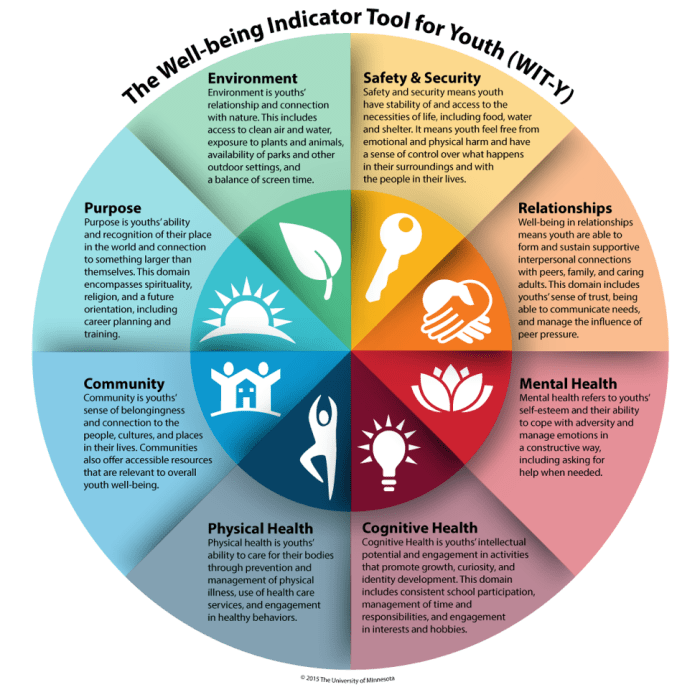
Mental resilience is the ability to bounce back from adversity, adapt to change, and thrive in the face of challenges. It is a crucial skill for children and teens, as it helps them navigate the ups and downs of life with greater ease and well-being.
Building Mental Resilience
Building mental resilience is a process that requires ongoing effort and support. Here are some strategies that can help children and teens develop this essential skill:
- Encourage problem-solving skills: Children and teens should be encouraged to identify problems, brainstorm solutions, and implement strategies to overcome obstacles. This fosters a sense of agency and empowers them to take control of their situations.
- Promote emotional regulation: Help children and teens learn to identify and manage their emotions in a healthy way. This can involve teaching them techniques like deep breathing, mindfulness, or journaling to regulate their emotional responses.
- Cultivate a growth mindset: Encourage a belief that challenges are opportunities for learning and growth. Help children and teens understand that setbacks are temporary and that they can learn and improve through effort and perseverance.
- Foster a sense of purpose: Help children and teens discover their passions and interests. Encourage them to pursue activities that bring them joy and fulfillment, as this can provide a sense of purpose and motivation.
The Role of Positive Self-Talk, Mindfulness, and Support Systems
Positive self-talk, mindfulness, and strong support systems play a vital role in building mental resilience.
- Positive Self-Talk: Encouraging positive self-talk can help children and teens challenge negative thoughts and develop a more optimistic outlook. This involves replacing self-critical thoughts with self-compassionate and encouraging statements.
- Mindfulness: Mindfulness practices, such as meditation or yoga, can help children and teens become more aware of their thoughts, feelings, and bodily sensations. This increased awareness can help them manage stress and cultivate emotional regulation.
- Support Systems: Having a strong support system of family, friends, mentors, or therapists can provide children and teens with a sense of belonging, validation, and guidance during challenging times.
Stress Relief
Stress is a natural part of life, but it can be overwhelming for children and teens, especially when they are navigating the challenges of school, social relationships, and personal development. Finding healthy ways to manage stress is essential for their emotional well-being.
Benefits of Creative Expression, Best resources for developing emotional well-being in children and teens
Creative expression is a powerful tool for managing stress and promoting emotional well-being. When children and teens engage in creative activities, they can channel their emotions, process difficult experiences, and find a sense of calm and self-expression.
- Art therapy allows children and teens to express their feelings through visual art, such as drawing, painting, or sculpting. This can help them to understand and process their emotions in a non-verbal way.
- Music can be a soothing and uplifting form of stress relief. Listening to calming music can reduce anxiety and promote relaxation, while playing an instrument can provide an outlet for creative expression and emotional release.
- Writing, such as journaling or poetry, can help children and teens to organize their thoughts, process their feelings, and gain a better understanding of themselves.
- Dance and movement can be a physically and emotionally expressive way to release stress. It can help to improve mood, reduce anxiety, and increase self-awareness.
Stress Relief Activities
There are many stress relief activities that children and teens can enjoy, both indoors and outdoors.
- Spending time in nature can be a great way to reduce stress and promote relaxation. The sights, sounds, and smells of nature can be calming and restorative.
- Physical activity, such as playing sports, dancing, or going for a walk, can help to release endorphins, which have mood-boosting effects.
- Mindfulness practices, such as deep breathing exercises, meditation, and yoga, can help children and teens to focus on the present moment and reduce stress.
- Social interaction with friends and family can provide support and a sense of belonging, which can help to reduce stress and improve emotional well-being.
Final Conclusion
By understanding the complexities of emotional well-being in children and teens and by utilizing the resources and strategies Artikeld in this guide, we can empower them to develop healthy emotional habits, build resilience, and navigate life’s challenges with confidence. Remember, investing in their emotional well-being is investing in their future.
Key Questions Answered
What are some signs that a child or teen might be struggling emotionally?
Changes in behavior, mood swings, withdrawal from friends and activities, difficulty concentrating, sleep problems, changes in eating habits, and increased anxiety or irritability are all potential signs. If you notice any of these changes, it’s important to reach out for support.
How can I encourage my child to talk about their feelings?
Create a safe and open environment where your child feels comfortable sharing their thoughts and feelings. Active listening, validating their emotions, and avoiding judgment are crucial. Engaging in activities together, such as cooking or playing games, can also create opportunities for meaningful conversations.
What are some age-appropriate ways to teach children about emotions?
Use picture books, games, and activities to introduce children to different emotions and how to express them healthily. Role-playing scenarios can help them practice coping mechanisms and communication skills. Encourage them to identify their own emotions and label them accurately.


More Stories