Stress Management Techniques for Veterans
Veterans often face unique challenges that can contribute to high levels of stress. It is essential for them to have effective strategies in place to manage this stress and maintain their well-being. Here are some tailored stress management techniques for veterans:
Mindfulness Exercises
Stress management techniques for veterans – Mindfulness exercises can help veterans focus on the present moment, allowing them to acknowledge their thoughts and feelings without judgment. This practice can reduce stress and promote emotional regulation. Examples of mindfulness exercises include deep breathing, body scans, and guided meditation.
Support Groups
Support groups provide veterans with a safe space to share their experiences, connect with others who understand their struggles, and receive emotional support. Being part of a support group can help veterans feel less isolated and more validated, ultimately assisting them in coping with stress.
Art or Music Therapy
Engaging in art or music therapy can be a creative outlet for veterans to express their emotions and process traumatic experiences. These forms of therapy have been shown to reduce symptoms of anxiety, depression, and PTSD. Creating art or music can be a therapeutic and healing process for veterans in managing stress.
Stress Management Healthy Lifestyle
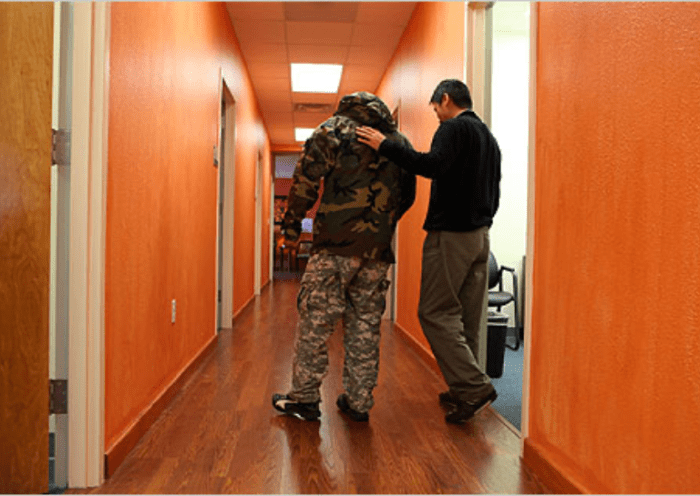
Adopting a healthy lifestyle is crucial for veterans in effectively managing stress and promoting overall well-being.
Role of Nutrition in Reducing Stress Levels
Nutrition plays a vital role in reducing stress levels among veterans by providing the necessary nutrients for optimal brain function and mood regulation.
- Include a variety of fruits, vegetables, whole grains, lean proteins, and healthy fats in your diet.
- Avoid excessive consumption of caffeine, sugar, and processed foods, as they can contribute to increased stress levels.
- Stay hydrated by drinking an adequate amount of water throughout the day.
Incorporating Physical Activity for Stress Management
Physical activity is a powerful tool for managing stress and improving mental health for veterans.
- Engage in regular exercise such as walking, jogging, cycling, or strength training to release endorphins and reduce stress hormones.
- Find activities you enjoy and make them a part of your daily routine to promote consistency.
- Consider joining group fitness classes or sports teams for social interaction and added motivation.
Significance of Relaxation Techniques for Veterans
Relaxation techniques like yoga and meditation can help veterans calm their minds, reduce anxiety, and improve sleep quality.
- Practice deep breathing exercises to promote relaxation and reduce stress levels.
- Allocate time for mindfulness meditation to increase self-awareness and cultivate a sense of peace.
- Explore yoga poses and sequences that focus on stretching, breathing, and mindfulness for overall stress relief.
Medical Innovations in Stress Management for Veterans: Stress Management Techniques For Veterans
In recent years, there have been significant advancements in medical approaches and technologies for managing stress among veterans. These innovations are aimed at providing effective and tailored solutions to help veterans cope with the challenges they face.
Virtual Reality Therapy for Stress Relief
Virtual reality therapy has emerged as a promising tool for stress relief among veterans. By immersing individuals in a computer-generated environment, virtual reality can help veterans confront and manage their stress triggers in a controlled and safe setting. This innovative approach has shown promising results in reducing symptoms of PTSD and anxiety among veterans.
Biofeedback for Stress Monitoring and Control
Biofeedback is another innovative technique that is being used to help veterans monitor and control their stress levels. By providing real-time information about physiological responses such as heart rate and muscle tension, biofeedback enables veterans to learn how to regulate their stress responses effectively. This personalized approach empowers veterans to take control of their stress management and improve their overall well-being.
Advances in Pharmacological Treatments
Advances in pharmacological treatments have also played a crucial role in assisting veterans in stress management. New medications and therapies are being developed to target specific symptoms of stress disorders, providing veterans with more options for treatment. These pharmacological innovations aim to alleviate symptoms of stress and improve the quality of life for veterans struggling with stress-related conditions.
Nutritional Supplements for Stress Management
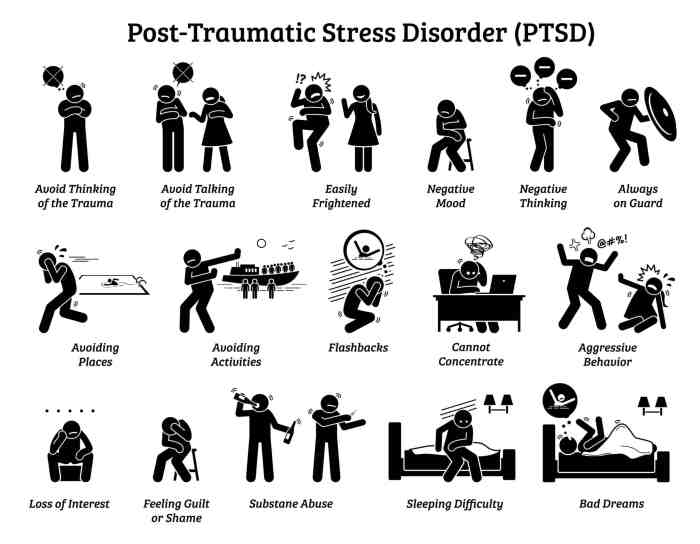
When it comes to managing stress, nutritional supplements can play a crucial role in supporting veterans. These supplements can help reduce stress levels and improve overall well-being.
Omega-3 Fatty Acids
- Omega-3 fatty acids, commonly found in fish oil supplements, have been shown to have a positive impact on reducing stress and anxiety in veterans.
- These essential fatty acids can help regulate neurotransmitters in the brain, promoting a sense of calm and reducing the body’s response to stress.
Vitamin D, Stress management techniques for veterans
- Vitamin D deficiency has been linked to increased stress levels and mood disorders in veterans.
- Supplementing with vitamin D can help regulate mood and reduce the risk of depression and anxiety, especially in individuals with limited sun exposure.
Herbal Supplements
- Ashwagandha, an adaptogenic herb, has been shown to reduce stress and anxiety levels in veterans by balancing cortisol levels in the body.
- Valerian root is another herbal supplement that can promote relaxation and improve sleep quality, which is essential for stress management.
Antioxidants in Balanced Diet
- Consuming a balanced diet rich in antioxidants from fruits, vegetables, and whole grains can help combat oxidative stress in the body.
- Antioxidants protect cells from damage caused by stress and promote overall health and well-being in veterans.
Fitness Routine for Stress Management
Physical fitness plays a crucial role in managing stress levels, especially for veterans who may have experienced traumatic events during their service. Developing a suitable fitness routine can help alleviate stress and promote overall well-being.
Benefits of Cardiovascular Exercises
- Cardiovascular exercises, such as running, cycling, or swimming, help release endorphins, also known as “feel-good” hormones, which can reduce stress and improve mood.
- These exercises also increase heart rate and blood flow, promoting better circulation and oxygen delivery to the brain, which can enhance cognitive function and reduce anxiety.
- Regular cardiovascular workouts can improve sleep quality, boost energy levels, and enhance overall physical health, contributing to better stress management for veterans.
Incorporating Strength Training or Yoga
- Strength training exercises, such as weightlifting or bodyweight workouts, can help build muscle strength, improve posture, and increase overall physical resilience, reducing the impact of stress on the body.
- Yoga combines physical postures, breathing techniques, and meditation to promote relaxation, reduce muscle tension, and enhance mindfulness, offering veterans a holistic approach to stress relief.
- Integrating strength training or yoga into a fitness regimen can provide a balanced routine that targets both physical fitness and mental well-being, supporting stress management efforts.
Importance of Regular Physical Activity
- Engaging in regular physical activity not only improves physical health but also helps regulate stress hormones, such as cortisol, leading to lower stress levels and better emotional resilience.
- Consistent exercise routines can boost self-confidence, enhance mood, and provide a sense of accomplishment, all of which are essential for managing stress effectively.
- By prioritizing physical fitness through a well-rounded routine that includes cardiovascular exercises, strength training, or yoga, veterans can optimize their stress management strategies and improve their overall quality of life.
Health Screenings for Stress Management
Regular health screenings play a crucial role in managing stress among veterans. These screenings help in the early detection of health issues that may contribute to stress, allowing for timely intervention and treatment. By monitoring specific health indicators, veterans can take proactive steps to maintain their well-being and keep stress levels in check.
Importance of Health Screenings
- Health screenings can help identify underlying health conditions that may be exacerbating stress levels.
- Early detection through screenings enables veterans to address health issues promptly, preventing them from escalating and causing additional stress.
- Regular screenings provide a proactive approach to health management, empowering veterans to take control of their overall well-being.
Recommended Health Screenings for Veterans
- Annual physical exams to assess overall health status and detect any underlying medical conditions.
- Mental health screenings to evaluate psychological well-being and identify any signs of stress-related disorders such as PTSD.
- Blood pressure checks to monitor cardiovascular health and assess the risk of hypertension, a common stress-related condition.
- Cholesterol screenings to evaluate lipid levels and assess the risk of heart disease, which can be exacerbated by stress.
Empowering Veterans Through Proactive Screenings
Regular health screenings empower veterans to take charge of their health and well-being. By staying proactive and monitoring key health indicators, veterans can make informed decisions about their lifestyle, seek appropriate medical care when needed, and effectively manage stress levels. These screenings serve as a valuable tool in promoting overall wellness and stress management among veterans.
Disease Prevention Strategies for Stress Management
Stress can have a significant impact on the overall health of veterans, making them more susceptible to various diseases. Implementing effective disease prevention strategies is crucial for managing stress and promoting well-being in this population.
Healthy Lifestyle Choices
- Engage in regular physical activity to boost immunity and reduce the risk of chronic illnesses.
- Follow a balanced diet rich in fruits, vegetables, whole grains, and lean proteins to support overall health.
- Avoid excessive alcohol consumption and smoking, as these habits can worsen stress and increase the likelihood of developing diseases.
- Get an adequate amount of sleep each night to allow the body to rest and recover from daily stressors.
Regular Health Screenings
- Attend routine medical check-ups to monitor vital signs, cholesterol levels, and other key indicators of health.
- Undergo screenings for conditions such as diabetes, hypertension, and cancer to detect potential issues early and prevent complications.
- Stay up to date with vaccinations to protect against infectious diseases and maintain overall health.
Stress Management Techniques
- Practice relaxation techniques such as deep breathing, meditation, or yoga to reduce stress levels and improve mental well-being.
- Seek support from mental health professionals or support groups to address underlying issues contributing to stress.
- Engage in hobbies or activities that bring joy and relaxation, helping to alleviate stress and promote a positive mindset.
Sleep Hygiene Practices for Stress Management
Good sleep hygiene is crucial for reducing stress levels in veterans. Adequate rest helps regulate mood, improve cognitive function, and enhance overall well-being. By implementing proper sleep hygiene practices, veterans can effectively manage stress and promote better mental health.
Creating a Conducive Sleep Environment
- Avoiding stimulants like caffeine and nicotine close to bedtime.
- Keeping the bedroom dark, quiet, and at a comfortable temperature.
- Establishing a regular sleep schedule to regulate the body’s internal clock.
- Investing in a comfortable mattress and pillows for quality rest.
Impact of Sleep Disorders on Stress Levels
- Sleep disorders such as insomnia or sleep apnea can exacerbate stress and anxiety in veterans.
- Interrupted or poor-quality sleep can lead to mood disturbances and decreased coping mechanisms.
- Seeking professional help for sleep disorders is essential for improving overall well-being.
Relaxation Techniques and Bedtime Rituals
- Practice deep breathing exercises or progressive muscle relaxation before bedtime.
- Engage in calming activities like reading, listening to soothing music, or taking a warm bath.
- Avoid screen time or stimulating activities right before sleep to promote relaxation.
- Establish a bedtime routine to signal the body that it’s time to wind down and prepare for rest.
Mental Clarity Techniques for Stress Management
Enhancing mental clarity is crucial for veterans to effectively manage stress and make informed decisions. By improving cognitive function and focus, veterans can better navigate stressful situations and maintain a sense of control over their lives.
Benefits of Cognitive-Behavioral Therapy
Cognitive-behavioral therapy (CBT) has been shown to be highly effective in improving mental clarity and reducing stress levels among veterans. This therapeutic approach helps individuals identify and challenge negative thought patterns, leading to a more positive outlook and improved decision-making abilities.
Mindfulness Practices and Cognitive Exercises
Engaging in mindfulness practices, such as meditation or deep breathing exercises, can help veterans sharpen their focus and alleviate stress. These techniques promote present-moment awareness and can reduce the impact of intrusive thoughts or distractions on mental clarity.
Importance of Mental Clarity for Decision-Making
Enhancing mental clarity not only aids in stress management but also contributes to better decision-making for veterans. By maintaining a clear and focused mind, individuals can assess situations more objectively, consider various options, and choose the most appropriate course of action.
Importance of Hydration in Stress Management
Proper hydration plays a crucial role in managing stress levels for veterans. Dehydration can exacerbate feelings of stress and anxiety, making it essential to prioritize adequate fluid intake throughout the day.
Significance of Staying Hydrated
- Hydration supports optimal cognitive function, helping veterans stay focused and alert during challenging situations.
- Adequate fluid intake can regulate stress responses in the body, promoting a sense of calmness and well-being.
- Dehydration can lead to fatigue, mood swings, and increased stress levels, highlighting the importance of staying hydrated.
Tips for Staying Hydrated
- Carry a reusable water bottle with you throughout the day to remind yourself to drink water regularly.
- Set reminders on your phone or computer to take water breaks and hydrate every few hours.
- Incorporate hydrating foods such as fruits, vegetables, and soups into your meals to increase fluid intake.
Hydrating Beverages and Strategies
- Drink water, herbal teas, or infused water with fruits like lemon or cucumber for added flavor and hydration.
- Avoid excessive consumption of caffeinated or sugary beverages, as they can contribute to dehydration and increase stress levels.
- Consider using electrolyte-enhanced drinks or coconut water to replenish essential minerals lost during stressful situations or physical activity.
FAQ Summary
How can support groups help veterans manage stress?
Support groups provide veterans with a sense of community, understanding, and shared experiences, creating a supportive environment to cope with stress effectively.
What are some examples of nutritional supplements beneficial for stress management in veterans?
Key supplements like omega-3 fatty acids, vitamin D, ashwagandha, and valerian root have shown to aid veterans in reducing stress levels.
Why is hydration important in stress management for veterans?
Proper hydration supports cognitive function, regulates stress responses, and plays a crucial role in maintaining overall well-being for veterans.


More Stories
Best Stress Relief Techniques for Busy Professionals in 2024