Latest Developments in Medical Imaging
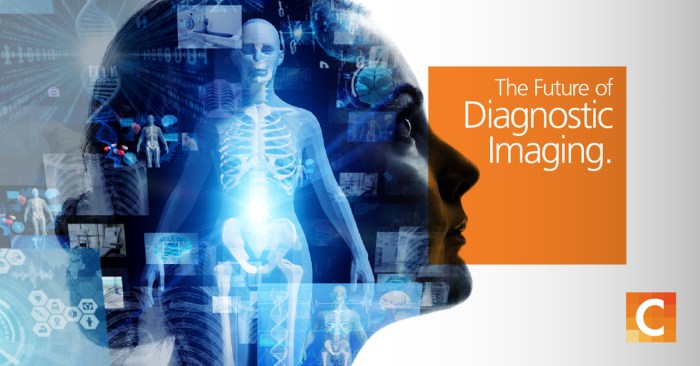
AI technology advancements have significantly impacted medical imaging by improving image analysis accuracy and efficiency. Machine learning algorithms can now detect patterns and anomalies in medical images with high precision, aiding in early disease detection and diagnosis. This has led to faster and more accurate treatment decisions, ultimately improving patient outcomes.
Advancements in AI Technology
- AI algorithms can analyze large datasets of medical images to identify patterns and abnormalities that may be missed by human radiologists.
- Machine learning models can be trained to recognize specific conditions or diseases, leading to more accurate diagnoses and personalized treatment plans.
- AI-powered image enhancement tools can improve image quality, making it easier for radiologists to interpret complex images.
3D Printing in Customized Medical Imaging Devices
3D printing technology has revolutionized the creation of customized medical imaging devices, such as patient-specific implants, prosthetics, and surgical guides. This allows for precise and tailored solutions that improve patient outcomes and reduce surgical complications.
Role of Virtual Reality in Medical Imaging Training and Simulation
Virtual reality (VR) technology is increasingly being used to enhance medical imaging training and simulation. By creating immersive environments, medical professionals can practice interpreting complex imaging studies, perform virtual surgeries, and simulate real-life clinical scenarios. This hands-on approach improves skills and decision-making in a safe and controlled setting.
Stress Management
Stress management is crucial for maintaining overall well-being and health. By implementing effective techniques, individuals can reduce stress levels and improve their quality of life.
Mindfulness Meditation and Deep Breathing Exercises
- Practicing mindfulness meditation involves focusing on the present moment without judgment, which can help reduce stress and anxiety.
- Deep breathing exercises, such as diaphragmatic breathing, can activate the body’s relaxation response and promote a sense of calm.
- Regular practice of these techniques can improve mental clarity, emotional stability, and overall resilience to stressors.
Work-Life Balance
- Striking a balance between work and personal life is essential for reducing stress levels and preventing burnout.
- Setting boundaries, prioritizing tasks, and practicing time management can help individuals achieve a healthy work-life balance.
- Engaging in hobbies, spending time with loved ones, and taking breaks can also contribute to overall well-being and stress reduction.
Regular Physical Activity
- Engaging in regular physical activity, such as aerobic exercises, strength training, or yoga, can help reduce stress and improve mood.
- Exercise stimulates the production of endorphins, which are known as “feel-good” hormones that can boost mood and reduce stress.
- Physical activity also promotes better sleep, increases energy levels, and enhances overall physical health, contributing to stress management.
Healthy Lifestyle
Maintaining a healthy lifestyle is essential for overall well-being and longevity. This includes following a balanced diet, engaging in regular exercise, and ensuring an adequate amount of sleep.
Tips for Maintaining a Balanced Diet
- Aim to include a variety of fruits, vegetables, whole grains, lean proteins, and healthy fats in your meals.
- Avoid processed foods, sugary beverages, and high-sodium snacks.
- Stay hydrated by drinking plenty of water throughout the day.
- Practice portion control and mindful eating to prevent overeating.
Benefits of Regular Exercise
Regular exercise not only helps in maintaining a healthy weight but also has numerous other benefits for overall health. Some of the advantages include:
- Improved cardiovascular health and reduced risk of heart disease.
- Enhanced mood and mental well-being due to the release of endorphins.
- Increased muscle strength, flexibility, and bone density.
- Boosted immune system and better sleep quality.
Importance of Adequate Sleep, Latest developments in medical imaging
Getting enough quality sleep is crucial for the body to repair and rejuvenate itself. Lack of sleep can lead to various health issues and affect overall well-being. It is recommended to:
- Establish a regular sleep schedule and stick to it, even on weekends.
- Create a relaxing bedtime routine to signal to your body that it’s time to wind down.
- Avoid caffeine, heavy meals, and electronic devices close to bedtime to improve sleep quality.
- Ensure your sleep environment is conducive to rest, with a comfortable mattress and pillows, and a cool, dark room.
Medical Innovations
In the ever-evolving field of medicine, new innovations in diagnostic tools and treatment modalities are continually being developed to enhance patient care and outcomes. Additionally, advancements in telemedicine and wearable health monitoring devices are transforming the way healthcare is delivered and accessed.
Latest Diagnostic Tools and Treatment Modalities
- One of the latest innovations in medical imaging is the use of Artificial Intelligence (AI) for faster and more accurate diagnosis of diseases such as cancer, heart conditions, and neurological disorders.
- Minimally invasive procedures, such as robotic surgery and targeted drug delivery systems, are revolutionizing treatment options and reducing recovery times for patients.
- Advancements in personalized medicine, including genetic testing and precision therapies, are providing tailored treatment plans based on individual patient profiles.
Telemedicine Revolutionizing Healthcare
- Telemedicine allows patients to consult with healthcare providers remotely through video calls, reducing the need for in-person visits and improving access to medical care, especially in rural or underserved areas.
- Remote monitoring of patients with chronic conditions, such as diabetes or hypertension, enables timely interventions and better disease management, leading to improved health outcomes.
- Telemedicine platforms are also being integrated into hospital systems for virtual consultations, follow-ups, and second opinions, enhancing patient convenience and reducing healthcare costs.
Impact of Wearable Health Monitoring Devices
- Wearable devices, like smartwatches and fitness trackers, are allowing individuals to track their physical activity, heart rate, sleep patterns, and other health metrics in real-time, promoting proactive health monitoring and wellness.
- Continuous monitoring of vital signs and early detection of abnormalities through wearable devices can help prevent health complications and alert healthcare providers to potential issues before they escalate.
- Data collected from wearable health devices can be integrated into electronic health records (EHRs) to provide a comprehensive view of a patient’s health status and facilitate personalized treatment plans.
Nutritional Supplements
Latest developments in medical imaging – Nutritional supplements play a crucial role in supporting overall health and well-being by providing essential vitamins, minerals, and other nutrients that may be lacking in our diets.
Importance of Consulting Healthcare Professionals
Before taking any supplements, it is important to consult healthcare professionals such as doctors or dietitians. They can provide personalized recommendations based on individual health needs and help prevent any potential interactions or adverse effects.
Benefits of Key Supplements
Key supplements like vitamin D, omega-3 fatty acids, and probiotics offer various benefits:
- Vitamin D: Helps in maintaining strong bones, supporting immune function, and regulating mood.
- Omega-3 Fatty Acids: Essential for heart health, brain function, and reducing inflammation in the body.
- Probiotics: Support gut health, aid digestion, and boost the immune system.
Fitness Routine
When it comes to designing an effective fitness routine, it’s important to consider individual goals and fitness levels. Tailoring your workouts to fit your specific needs can help you achieve better results and stay motivated in the long run.
Combining cardiovascular, strength training, and flexibility exercises is crucial for overall fitness. Cardiovascular exercises like running, cycling, or swimming help improve heart health and endurance. Strength training, on the other hand, helps build muscle mass and increase metabolism. Flexibility exercises such as yoga or stretching can improve range of motion and prevent injuries.
Importance of Combining Different Types of Exercises
It’s essential to incorporate a variety of exercises into your fitness routine to target different muscle groups and improve overall fitness. By combining cardiovascular, strength training, and flexibility exercises, you can achieve a well-rounded workout that promotes better physical health and overall well-being.
- Cardiovascular exercises help improve heart health, burn calories, and boost endurance.
- Strength training exercises build muscle mass, increase metabolism, and improve bone density.
- Flexibility exercises enhance range of motion, prevent injuries, and promote relaxation.
Benefits of Outdoor Activities
Incorporating outdoor activities into your fitness routine can provide additional benefits beyond physical exercise. Outdoor activities allow you to connect with nature, reduce stress levels, and improve mental well-being. Whether it’s hiking, biking, or playing sports outdoors, getting fresh air and sunlight can enhance your overall fitness experience.
- Outdoor activities can help reduce stress and anxiety levels, promoting mental clarity and relaxation.
- Natural sunlight exposure can boost vitamin D levels, improve mood, and enhance overall well-being.
- Engaging in outdoor activities can provide a change of scenery and make workouts more enjoyable and engaging.
Health Screenings: Latest Developments In Medical Imaging
Regular health screenings play a crucial role in early disease detection and prevention. By undergoing routine screenings, individuals can identify potential health issues before they progress, leading to more effective treatment and improved outcomes.
Common Health Screenings
- Blood Pressure Measurement: Recommended for adults of all ages to monitor cardiovascular health and detect hypertension.
- Cholesterol Test: Suggested for adults starting at age 20 to assess heart disease risk.
- Mammogram: Typically advised for women aged 40 and older to screen for breast cancer.
- Colonoscopy: Recommended for individuals aged 50 and above to detect colorectal cancer.
Advancements in Technology
In recent years, technological advancements have revolutionized health screenings, making them more accurate and accessible. Innovations such as 3D mammography and virtual colonoscopies have enhanced the detection capabilities of these screenings, improving early diagnosis rates and reducing the need for invasive procedures. Additionally, telemedicine and mobile health applications have made screenings more convenient and flexible, allowing individuals to monitor their health from the comfort of their homes.
Disease Prevention
Preventing chronic diseases and maintaining good health involves making lifestyle modifications that promote overall well-being. By taking proactive steps, individuals can significantly reduce their risk of developing common health conditions.
Lifestyle Modifications for Disease Prevention
Implementing the following lifestyle modifications can aid in preventing chronic diseases:
- Regular physical activity: Engaging in regular exercise helps maintain a healthy weight, improves cardiovascular health, and boosts overall fitness levels.
- Healthy diet: Consuming a balanced diet rich in fruits, vegetables, whole grains, and lean proteins can help prevent obesity, heart disease, and other chronic conditions.
- Adequate sleep: Getting enough restorative sleep is crucial for overall health, as it supports immune function, mental well-being, and overall vitality.
- Stress management: Practicing stress-reducing techniques such as mindfulness, yoga, or meditation can lower the risk of developing stress-related health issues.
- Avoiding tobacco and excessive alcohol consumption: Eliminating tobacco use and moderating alcohol intake can decrease the risk of various cancers, heart disease, and liver problems.
Role of Vaccinations in Disease Prevention
Vaccinations play a critical role in preventing infectious diseases by stimulating the immune system to create antibodies against specific pathogens. By receiving recommended vaccines, individuals can protect themselves and others from harmful infections.
Impact of Genetic Testing on Disease Prevention
Genetic testing enables personalized disease prevention strategies by identifying an individual’s genetic predispositions to certain health conditions. With this information, healthcare providers can tailor preventive measures and screening protocols to mitigate the risk of developing genetic-based diseases.
Sleep Hygiene
Improving sleep hygiene is crucial for promoting better sleep quality and overall well-being. It involves adopting healthy habits and creating a conducive environment for restful sleep.
Tips for Improving Sleep Hygiene
- Avoid caffeine and heavy meals close to bedtime.
- Establish a consistent sleep schedule, going to bed and waking up at the same time every day.
- Create a relaxing bedtime routine to signal your body that it’s time to sleep.
- Keep your bedroom dark, quiet, and at a comfortable temperature.
- Avoid screens (phones, tablets, computers) at least an hour before bed, as the blue light can disrupt sleep patterns.
Effects of Technology Use Before Bedtime
Using technology before bedtime can negatively impact sleep patterns due to the blue light emitted by screens. This light suppresses the production of melatonin, the hormone responsible for regulating sleep. As a result, it may take longer to fall asleep and experience poorer sleep quality overall.
Link Between Sleep Hygiene and Overall Health
Sleep hygiene plays a significant role in overall health and well-being. Poor sleep hygiene can lead to a variety of health issues, including obesity, heart disease, and mental health disorders. By prioritizing good sleep habits, you can improve your physical and mental health, energy levels, and cognitive function.
Mental Clarity
In today’s fast-paced world, maintaining mental clarity is essential for overall well-being and productivity. It involves the ability to focus, think clearly, and make sound decisions amidst distractions and challenges.
Techniques for Enhancing Mental Clarity and Cognitive Function
- Regular exercise: Physical activity boosts blood flow to the brain, enhancing cognitive function and mental clarity.
- Healthy diet: Consuming nutrient-rich foods like fruits, vegetables, and whole grains nourishes the brain and supports mental acuity.
- Quality sleep: Adequate rest is crucial for cognitive function, memory consolidation, and overall mental clarity.
- Mindfulness practices: Techniques like meditation and deep breathing can calm the mind, improve focus, and enhance mental clarity.
- Brain games: Engaging in activities that challenge the brain, such as puzzles or crosswords, can sharpen cognitive abilities and boost mental clarity.
Benefits of Mindfulness Practices in Improving Focus and Concentration
- Reduced stress: Mindfulness techniques help lower stress levels, allowing for better focus and concentration.
- Enhanced awareness: Being present in the moment improves attention span and concentration on tasks at hand.
- Improved decision-making: Clarity of mind gained through mindfulness practices leads to better decision-making abilities.
- Emotional regulation: Mindfulness helps manage emotions, reducing distractions and improving focus.
Impact of Stress and Anxiety on Mental Clarity and Ways to Mitigate These Effects
- Stress reduction techniques: Engaging in activities like yoga, tai chi, or deep breathing exercises can alleviate stress and improve mental clarity.
- Counseling or therapy: Seeking professional help to address underlying stressors and anxiety can significantly enhance mental clarity.
- Healthy lifestyle habits: Regular physical activity, proper nutrition, and sufficient sleep play a crucial role in reducing stress and anxiety levels, thereby improving mental clarity.
Hydration Importance
Staying hydrated is crucial for maintaining overall health and well-being. Adequate hydration is essential for various bodily functions, including digestion, circulation, temperature regulation, and nutrient absorption.
Tips for Increasing Daily Water Intake
- Carry a reusable water bottle with you throughout the day to remind yourself to drink water regularly.
- Set reminders on your phone or use apps to track your water intake and ensure you are meeting your daily hydration goals.
- Infuse water with fruits or herbs to add flavor and make it more enticing to drink.
- Drink a glass of water before each meal to help with portion control and hydration.
- Eat water-rich foods such as cucumbers, watermelon, and oranges to supplement your daily water intake.
Effects of Dehydration on Physical and Cognitive Performance
Dehydration can have detrimental effects on both physical and cognitive performance. When the body lacks adequate hydration, it can lead to symptoms such as fatigue, dizziness, confusion, and decreased focus.
Physically, dehydration can impact muscle function, endurance, and overall performance during exercise or daily activities. Cognitive functions such as memory, concentration, and decision-making may also be compromised when the body is dehydrated.
It is essential to drink water consistently throughout the day to maintain optimal hydration levels and support your body’s functions.
FAQ Section
How are AI advancements impacting medical imaging?
AI is streamlining processes, enhancing image analysis, and improving diagnostic accuracy in medical imaging.
What is the significance of 3D printing in creating customized medical imaging devices?
3D printing enables the production of tailored medical imaging tools, enhancing precision and patient-specific care.
How does virtual reality contribute to medical imaging training and simulation?
Virtual reality offers immersive experiences for medical professionals to practice procedures and enhance their skills in a simulated environment.


More Stories