Stress Management
Stress management plays a crucial role in maintaining overall health by helping individuals cope with the demands of daily life and reducing the negative impact of stress on the body.
Importance of Stress Management
- One of the key benefits of stress management is that it can help lower the risk of various health problems such as heart disease, high blood pressure, and obesity.
- By learning how to manage stress effectively, individuals can improve their mental well-being, enhance their quality of life, and boost their overall resilience.
Stress Management Techniques
- Meditation: Engaging in mindfulness meditation can help calm the mind, reduce anxiety, and improve focus and clarity.
- Deep Breathing: Practicing deep breathing exercises can activate the body’s relaxation response, lower stress levels, and promote a sense of calm.
- Exercise: Regular physical activity, such as walking, running, or yoga, can help reduce stress hormones, increase endorphins, and improve mood.
Impact of Stress on Physical Health and Immune System
Stress can have a profound impact on physical health and weaken the immune system, making individuals more vulnerable to illnesses. Chronic stress can lead to inflammation, digestive issues, sleep disturbances, and increased susceptibility to infections. Therefore, it is essential to incorporate stress management techniques into daily routines to promote overall well-being and maintain a healthy immune system.
Healthy Lifestyle
Living a healthy lifestyle is essential for overall well-being and longevity. It involves making conscious choices to prioritize activities and habits that promote physical, mental, and emotional health. By incorporating healthy habits into your daily routine, you can improve your quality of life and reduce the risk of various diseases.
Benefits of a Healthy Lifestyle
Maintaining a healthy lifestyle has numerous benefits, including:
- Reduced risk of chronic diseases such as heart disease, diabetes, and cancer
- Improved immune function and better ability to fight off infections
- Increased energy levels and overall vitality
- Better mood and mental health
- Enhanced quality of sleep
Incorporating Healthy Habits
To lead a healthy lifestyle, consider the following tips:
- Follow a balanced diet rich in fruits, vegetables, whole grains, lean proteins, and healthy fats
- Engage in regular physical activity, such as cardio, strength training, and flexibility exercises
- Practice stress management techniques like meditation, yoga, or deep breathing exercises
- Prioritize quality sleep and establish a consistent sleep schedule
- Stay hydrated by drinking an adequate amount of water throughout the day
Role of Diet, Exercise, and Mental Health, Advanced health screenings for early detection
Diet, exercise, and mental health play crucial roles in leading a healthy lifestyle:
- Diet: Eating a nutritious diet provides essential nutrients for optimal body function and helps maintain a healthy weight.
- Exercise: Regular physical activity improves cardiovascular health, strengthens muscles, and enhances overall well-being.
- Mental Health: Taking care of your mental health is just as important as physical health. Practices like mindfulness, therapy, and self-care contribute to emotional well-being.
Medical Innovations
In recent years, there have been significant advancements in medical technology that have revolutionized the way diseases are detected and treated. These innovations have paved the way for early detection and improved outcomes for patients.
Innovative Health Screening Tools
- Genomic Testing: By analyzing a person’s DNA, genomic testing can identify genetic mutations that may increase the risk of certain diseases.
- Liquid Biopsies: This non-invasive technique allows for the detection of cancer cells or DNA fragments in the blood, providing an early indication of cancer.
- Artificial Intelligence (AI) in Diagnostics: AI algorithms can analyze medical images and data more quickly and accurately than humans, leading to early detection of diseases like cancer and heart conditions.
Impact on Future Healthcare
- Personalized Medicine: With the help of medical innovations, treatments can be tailored to individual patients based on their genetic makeup, leading to more effective outcomes.
- Remote Monitoring Devices: Wearable technology and remote monitoring devices allow healthcare providers to track patients’ health in real-time, enabling early intervention and prevention of complications.
- Telemedicine: Virtual consultations and remote monitoring have become more prevalent, increasing access to healthcare services and improving patient outcomes, especially in rural or underserved areas.
Nutritional Supplements
Nutritional supplements play a crucial role in supporting overall health by providing essential vitamins, minerals, and nutrients that may be lacking in our diet. They can help fill nutritional gaps, support specific health goals, and improve overall well-being.
Popular Supplements and Their Benefits
Advanced health screenings for early detection – There are several popular nutritional supplements that offer a range of benefits:
- Vitamin D: Known for its role in bone health, immune function, and mood regulation.
- Omega-3 fatty acids: Essential for heart health, brain function, and reducing inflammation.
- Probiotics: Support gut health and digestion by promoting the growth of beneficial bacteria.
- Multivitamins: Provide a combination of essential vitamins and minerals for overall health and well-being.
Consulting Healthcare Professionals
It is important to consult healthcare professionals before adding any new supplements to your routine. They can provide personalized recommendations based on your individual health needs, prevent potential interactions with medications, and ensure the supplements are safe and effective for you.
Fitness Routine
Regular physical activity is a crucial component of a healthy lifestyle. A well-rounded fitness routine consists of various elements that target different aspects of physical fitness. These components include cardiovascular exercise, strength training, flexibility exercises, and rest and recovery.
Components of a Well-Rounded Fitness Routine
- Cardiovascular Exercise: Activities like running, cycling, swimming, or dancing that elevate your heart rate and improve cardiovascular health.
- Strength Training: Using weights, resistance bands, or body weight exercises to build muscle strength and endurance.
- Flexibility Exercises: Stretching and yoga to improve flexibility, joint range of motion, and prevent injuries.
- Rest and Recovery: Allowing your body time to recover between workouts is essential for muscle repair and overall fitness progress.
Creating a Personalized Fitness Plan
- Set specific, achievable goals: Define what you want to achieve with your fitness routine, whether it’s weight loss, muscle gain, or improved endurance.
- Choose activities you enjoy: Find exercises that you like doing to make your fitness routine more sustainable in the long run.
- Start slowly and gradually increase intensity: Build up your fitness level over time to prevent injuries and burnout.
- Include a variety of exercises: Incorporate different types of workouts to target all aspects of fitness and prevent boredom.
Benefits of Regular Physical Activity on Overall Health
Regular physical activity offers numerous benefits beyond just physical fitness. It can improve mental health, reduce the risk of chronic diseases, boost mood and energy levels, and enhance quality of life. Incorporating a consistent fitness routine into your lifestyle can lead to long-term health benefits and overall well-being.
Health Screenings: Advanced Health Screenings For Early Detection
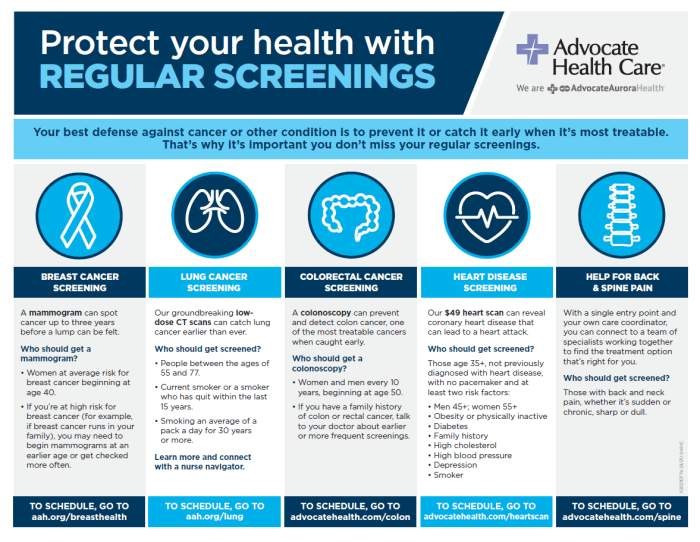
Advanced health screenings play a crucial role in early detection, allowing for timely intervention and treatment to prevent the progression of various health conditions. Regular screenings can help individuals maintain optimal health and well-being by identifying potential issues before they become serious.
Types of Health Screenings
There are several types of health screenings available for different health conditions, each serving a specific purpose in detecting potential problems. Some common screenings include:
- Blood pressure screenings: To monitor and manage hypertension, a major risk factor for heart disease and stroke.
- Cholesterol screenings: To assess the levels of cholesterol in the blood, which can indicate the risk of heart disease.
- Colorectal cancer screenings: To detect abnormalities or precancerous growths in the colon, allowing for early treatment.
- Mammograms: To screen for breast cancer in women, promoting early detection and improved outcomes.
- Prostate-specific antigen (PSA) tests: To detect prostate cancer in men, aiding in early diagnosis and treatment.
Importance of Regular Health Check-ups
Regular health check-ups are essential for preventive care, as they provide an opportunity for healthcare professionals to assess an individual’s overall health status and identify any potential risk factors or health issues. By staying up to date with routine screenings and check-ups, individuals can take proactive steps to maintain their health and well-being, ultimately leading to a better quality of life.
Disease Prevention
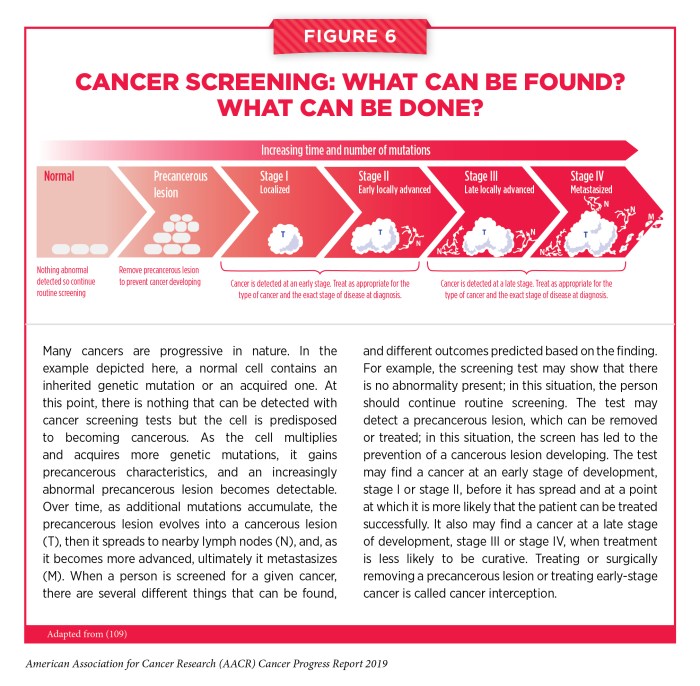
Preventing diseases is crucial for maintaining overall health and well-being. Making informed lifestyle choices, staying up-to-date on vaccinations and screenings, and understanding the impact of genetics and environmental factors are all key in disease prevention.
Strategies for Disease Prevention
- Regular exercise and maintaining a healthy weight can lower the risk of various diseases such as heart disease, diabetes, and certain types of cancer.
- Eating a balanced diet rich in fruits, vegetables, whole grains, and lean proteins can boost the immune system and reduce the likelihood of developing chronic illnesses.
- Avoiding smoking, excessive alcohol consumption, and recreational drug use can significantly decrease the chances of developing respiratory diseases, liver damage, and addiction-related issues.
Vaccinations and Screenings for Disease Prevention
- Ensuring that you and your family are up-to-date on vaccinations can prevent the spread of contagious diseases such as measles, influenza, and hepatitis.
- Regular health screenings for conditions like high blood pressure, cholesterol levels, and certain cancers can help detect issues early on and allow for timely intervention.
- Screenings for sexually transmitted infections (STIs) and HIV can also help prevent the spread of these diseases and enable individuals to seek appropriate treatment.
Genetics and Environmental Factors in Disease Prevention
- Understanding your family history and genetic predispositions to certain diseases can help you take proactive steps to mitigate risks through lifestyle changes and regular screenings.
- Awareness of environmental factors such as air quality, water contamination, and exposure to toxins can aid in disease prevention by avoiding harmful substances and taking necessary precautions.
- Research into gene therapy and personalized medicine is advancing the field of disease prevention by targeting individual genetic variations and developing tailored treatment plans.
Sleep Hygiene
Good sleep hygiene is crucial for maintaining overall health and well-being. It refers to a set of practices and habits that promote quality sleep on a regular basis. Poor sleep hygiene can lead to a variety of health issues, including increased stress levels, decreased cognitive function, and a weakened immune system.
Tips for Improving Sleep Quality
- Avoid caffeine, nicotine, and alcohol close to bedtime as they can disrupt sleep patterns.
- Establish a regular sleep schedule by going to bed and waking up at the same time every day, even on weekends.
- Create a relaxing bedtime routine to signal to your body that it’s time to wind down, such as reading a book or taking a warm bath.
- Ensure your sleep environment is conducive to rest, with a comfortable mattress, pillows, and a cool, dark room.
- Avoid screen time before bed, as the blue light emitted from devices can interfere with the production of melatonin, a hormone that regulates sleep.
Impact of Sleep Deprivation
Sleep deprivation can have a significant impact on both physical and mental well-being. It can impair cognitive function, memory, and decision-making abilities, leading to decreased productivity and an increased risk of accidents. Chronic sleep deprivation has also been linked to a higher risk of developing chronic conditions such as obesity, diabetes, and heart disease. Additionally, inadequate sleep can contribute to mood disorders like depression and anxiety, further affecting overall quality of life.
Mental Clarity
When it comes to mental clarity, it is essential to understand the relationship between cognitive function and overall brain health. Mental clarity refers to the ability to think clearly, focus, and maintain alertness throughout the day.
Techniques for Enhancing Mental Clarity and Focus
- Adequate Sleep: Prioritize getting 7-9 hours of quality sleep each night to allow your brain to rest and recharge.
- Healthy Diet: Consume foods rich in antioxidants, omega-3 fatty acids, and vitamins to support brain function.
- Regular Exercise: Engage in physical activities that promote blood flow to the brain and release endorphins for improved focus.
- Mindfulness Practices: Practice meditation or deep breathing exercises to reduce stress and enhance mental clarity.
Impact of Stress, Sleep, and Nutrition on Mental Clarity
- Stress: High levels of stress can impair cognitive function and lead to brain fog, affecting mental clarity.
- Sleep: Lack of sleep or poor sleep quality can hinder memory consolidation and cognitive performance, impacting mental clarity.
- Nutrition: Poor dietary choices lacking essential nutrients can result in brain fog and reduced focus, affecting mental clarity.
Hydration Importance
Proper hydration plays a crucial role in maintaining optimal body function. Our bodies are composed of about 60% water, highlighting the significance of staying hydrated for overall health and well-being.
Tips for Staying Hydrated Throughout the Day
- Carry a reusable water bottle with you wherever you go to ensure easy access to water.
- Set reminders on your phone or use apps to prompt you to drink water regularly.
- Infuse your water with fruits or herbs to add flavor and encourage increased consumption.
- Drink a glass of water before each meal to help you stay hydrated and aid digestion.
- Aim to drink at least 8-10 glasses of water each day, adjusting based on your activity level and climate.
Benefits of Proper Hydration on Physical and Mental Performance
Proper hydration not only supports physical health but also has a significant impact on mental performance. Here are some benefits of staying hydrated:
- Improved physical endurance and performance during exercise.
- Enhanced cognitive function, concentration, and mood.
- Regulation of body temperature and electrolyte balance.
- Flushes out toxins and supports healthy kidney function.
Expert Answers
How often should I undergo advanced health screenings?
It is recommended to consult with your healthcare provider to determine the frequency of screenings based on your age, medical history, and risk factors.
Are advanced health screenings covered by insurance?
Many health insurance plans cover certain preventive screenings. It is advisable to check with your insurance provider to understand the coverage details.
What are some common advanced health screenings available?
Common screenings include mammograms for breast cancer, colonoscopies for colorectal cancer, and lipid panels for heart disease risk assessment.
Can advanced health screenings detect all diseases?
While advanced screenings can detect many diseases, they may not cover every possible condition. It is important to combine screenings with regular check-ups and consultations with healthcare professionals.
At what age should I start considering advanced health screenings?
The age to start screenings varies based on individual health factors. Generally, discussions about screenings should begin in consultation with your healthcare provider around the age of 50.


More Stories
Benefits of turmeric supplements for inflammation: The Power of Curcumin in Fighting Inflammation
Advances in personalized medicine: Revolutionizing Healthcare with Precision