Stress Management Apps
Best stress management apps for daily use – Stress management apps are designed to help individuals cope with stress and anxiety in their daily lives. These apps offer a variety of features and benefits that can assist users in managing their mental health effectively.
Top-rated Stress Management Apps
- Headspace: This app provides guided meditations, breathing exercises, and mindfulness techniques to reduce stress and improve overall well-being. Users have praised its calming effect and user-friendly interface.
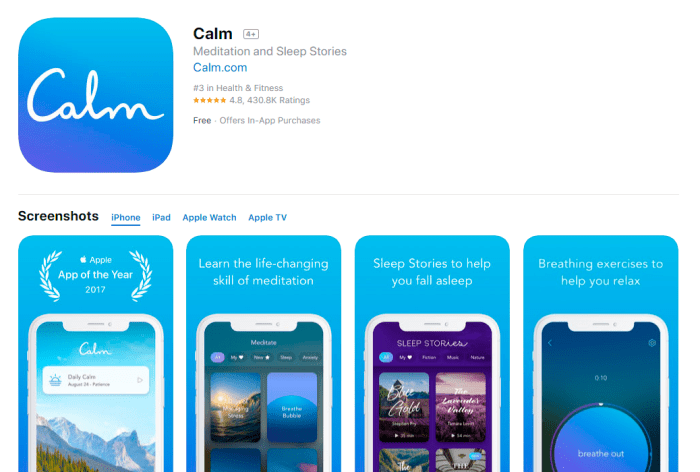
- Calm: Known for its sleep stories, Calm also offers meditation sessions, relaxation music, and breathing exercises. Many users find it helpful in reducing anxiety and promoting better sleep.
- Insight Timer: With a vast library of guided meditations and music tracks, Insight Timer helps users relax, focus, and sleep better. It also includes a community feature for support and motivation.
- Smiling Mind: This app focuses on mindfulness and meditation for all ages, making it suitable for both adults and children. Users appreciate its simplicity and effectiveness in reducing stress levels.
Healthy Lifestyle
Maintaining a healthy lifestyle plays a crucial role in managing stress effectively. When we prioritize our physical and mental well-being, we are better equipped to handle the challenges and pressures that come our way.
Exercise
Regular physical activity is not only beneficial for our bodies but also for our minds. Exercise helps reduce stress hormones like cortisol and releases endorphins, the body’s natural mood elevators. Incorporating activities like yoga, walking, or jogging into your daily routine can have a significant impact on your stress levels.
Nutrition
Eating a balanced diet rich in fruits, vegetables, whole grains, and lean proteins can provide the necessary nutrients to fuel our bodies and minds. Avoiding excessive caffeine, sugar, and processed foods can help stabilize mood and energy levels, reducing the likelihood of feeling overwhelmed or anxious.
Self-Care
Taking time for self-care practices is essential for managing stress. This can include activities like meditation, deep breathing exercises, journaling, or engaging in hobbies you enjoy. Prioritizing self-care allows you to recharge and rejuvenate, improving your overall well-being.
Medical Innovations
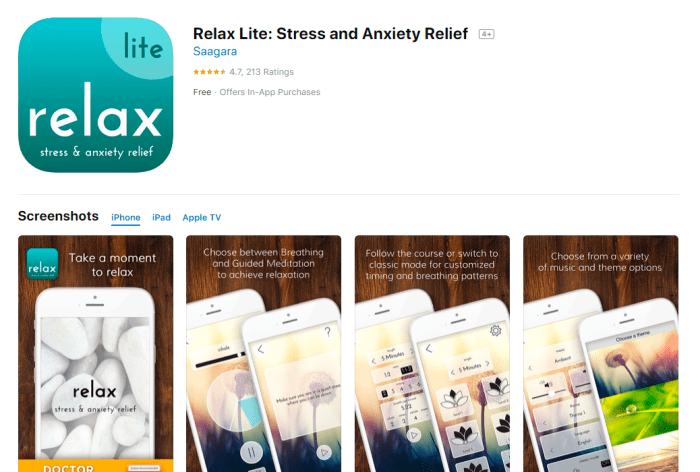
Stress management in healthcare has seen a significant transformation with the emergence of various medical innovations. These advancements have revolutionized the way individuals can monitor and address stress-related issues.
Wearable Stress Trackers
Wearable stress trackers have gained popularity as they provide real-time data on stress levels, allowing users to track patterns and make necessary adjustments to their lifestyle. These devices monitor heart rate variability, sleep quality, and physical activity, providing valuable insights into potential stress triggers.
Telemedicine and Virtual Therapy
The rise of telemedicine and virtual therapy has made stress management more accessible and convenient for individuals. Through virtual sessions with healthcare professionals, individuals can receive therapy and counseling from the comfort of their own homes. This technology has removed barriers to seeking help for stress-related issues, ultimately improving overall mental well-being.
Technology in Stress Management, Best stress management apps for daily use
Technology continues to play a pivotal role in stress management within the healthcare industry. From AI-driven mental health apps to virtual reality relaxation programs, the integration of technology has enhanced the effectiveness of stress management interventions. Healthcare providers can now offer personalized and efficient solutions to individuals seeking to manage stress effectively.
Nutritional Supplements
When it comes to managing stress, nutritional supplements play a crucial role in supporting overall well-being and promoting relaxation. These supplements can help the body cope with stress, reduce anxiety levels, and enhance mood stability.
Popular Stress-Relieving Supplements
- L-Theanine: Known for its calming effects, this amino acid found in green tea can help reduce stress and anxiety without causing drowsiness.
- Ashwagandha: An adaptogenic herb that helps the body adapt to stress, improve energy levels, and promote relaxation.
- Omega-3 Fatty Acids: Essential for brain health, Omega-3s can reduce inflammation in the body and support cognitive function, which may help alleviate stress.
- Magnesium: This mineral is essential for relaxation and muscle function, and low levels have been linked to anxiety and stress.
While these supplements have shown promising results in reducing stress, it is important to consult healthcare professionals before incorporating them into your daily routine. They can provide guidance on proper dosage, potential interactions with medications, and ensure that the supplements are safe and suitable for your individual needs.
Fitness Routine
Regular physical exercise is essential not only for maintaining a healthy body but also for managing stress effectively. Engaging in a fitness routine can help reduce anxiety, improve mood, and boost overall mental well-being. Here are some effective fitness routines that can aid in stress management:
Effective Fitness Routines
- Cardiovascular Exercises: Activities like running, cycling, or swimming can help release endorphins, also known as “feel-good” hormones, which can reduce stress and improve mood.
- Strength Training: Incorporating strength training exercises such as weightlifting or bodyweight exercises can help build muscle strength and increase energy levels, contributing to better stress management.
- Yoga and Pilates: These mind-body exercises focus on breathing techniques, flexibility, and mindfulness, which can help calm the mind, reduce tension, and promote relaxation.
- Dance Fitness: Dancing is a fun way to stay active and relieve stress. It can improve coordination, boost self-confidence, and provide a creative outlet for self-expression.
Remember to consult with a fitness professional or healthcare provider before starting any new exercise routine, especially if you have any underlying health conditions.
Health Screenings
Regular health screenings play a crucial role in identifying stress-related health issues before they escalate into serious conditions. By undergoing preventive screenings, individuals can address potential health concerns early on, leading to better stress management and overall well-being.
Significance of Health Screenings
- Health screenings help in early detection of health problems, including those that may be exacerbated by stress.
- Identifying issues early allows for timely intervention and treatment, preventing complications down the line.
- Regular screenings provide a baseline for monitoring health changes over time, aiding in proactive management of stress-related conditions.
Scheduling and Prioritizing Screenings
- Consult with a healthcare provider to determine which screenings are recommended based on age, gender, family history, and lifestyle factors.
- Establish a schedule for routine screenings, such as blood pressure checks, cholesterol tests, and diabetes screenings, to stay on top of your health.
- Make health screenings a priority by setting reminders, keeping track of appointments, and following through with recommended tests for optimal well-being.
Disease Prevention
Stress management plays a crucial role in disease prevention by helping to boost the immune system and overall health. Chronic stress has been linked to a variety of health problems, making it essential to find effective ways to reduce stress levels.
Impact of Stress on Immune System
Stress can weaken the immune system, making individuals more susceptible to infections and illnesses. High levels of stress hormones can suppress the immune response, leading to increased inflammation and a higher risk of developing chronic conditions.
Strategies for Reducing Stress for Disease Prevention
- Practice relaxation techniques such as deep breathing, meditation, or yoga to calm the mind and body.
- Engage in regular physical activity to release endorphins and reduce stress levels.
- Ensure an adequate amount of sleep to support immune function and overall well-being.
- Maintain a healthy diet rich in fruits, vegetables, and whole grains to provide essential nutrients for the body.
- Seek social support from friends, family, or support groups to share feelings and experiences.
- Set boundaries and prioritize tasks to avoid feeling overwhelmed and stressed.
Sleep Hygiene
Good sleep hygiene plays a crucial role in managing stress levels and promoting overall well-being. By establishing healthy sleep habits, individuals can improve the quality of their sleep, which in turn can help reduce stress and enhance mental and physical health.
Importance of Good Sleep Hygiene
Quality sleep is essential for the body to rest, repair, and rejuvenate. When we lack proper sleep, our stress levels can increase, leading to a range of negative impacts on our health. By practicing good sleep hygiene, individuals can optimize their sleep quality and better cope with daily stressors.
Tips for Improving Sleep Quality
- Avoid caffeine, nicotine, and alcohol close to bedtime.
- Create a relaxing bedtime routine to signal to your body that it’s time to sleep.
- Keep your bedroom cool, dark, and quiet for optimal sleep conditions.
- Avoid screen time before bed and limit exposure to blue light.
- Stick to a consistent sleep schedule, even on weekends.
Relationship Between Stress, Sleep, and Overall Well-being
Stress and sleep have a bidirectional relationship, meaning that high stress levels can disrupt sleep, and poor sleep can exacerbate stress. By prioritizing good sleep hygiene and managing stress effectively, individuals can experience improved overall well-being, including enhanced mood, cognitive function, and physical health.
Mental Clarity: Best Stress Management Apps For Daily Use
Stress can have a significant impact on mental clarity and cognitive function. When we are stressed, our brain can become overwhelmed, leading to difficulty focusing, making decisions, and problem-solving. It can also affect our memory and ability to retain information.
To enhance mental clarity and focus, incorporating techniques such as mindfulness practices and cognitive exercises can be beneficial. Mindfulness meditation, deep breathing exercises, and yoga can help calm the mind and improve cognitive function. These practices can reduce stress levels, increase self-awareness, and enhance mental clarity.
Mindfulness Practices
- Practice deep breathing exercises to calm the mind and improve focus.
- Engage in mindfulness meditation to increase self-awareness and reduce stress.
- Try yoga to promote relaxation and enhance cognitive function.
Cognitive Exercises
- Engage in brain games and puzzles to keep the mind sharp and improve cognitive abilities.
- Challenge yourself with tasks that require problem-solving and critical thinking.
- Practice visualization techniques to enhance focus and mental clarity.
Hydration Importance
Hydration plays a crucial role in stress management and overall health. Staying adequately hydrated is essential for maintaining mental and physical well-being.
Benefits of Staying Hydrated
- Improved cognitive function and mental clarity
- Regulation of body temperature and energy levels
- Support for proper digestion and nutrient absorption
- Enhanced mood and reduced stress levels
Tips for Maintaining Hydration Levels
- Carry a reusable water bottle with you throughout the day
- Set reminders to drink water at regular intervals
- Incorporate hydrating foods like fruits and vegetables into your diet
- Avoid excessive caffeine and alcohol consumption, as they can dehydrate the body
Quick FAQs
How do stress management apps work?
Stress management apps typically offer features like guided meditations, relaxation techniques, mood tracking, and stress assessments to help users identify and cope with stress effectively.
Are stress management apps suitable for everyone?
While stress management apps can benefit many individuals, it’s essential to choose one that aligns with your preferences and needs. Some apps may focus more on meditation, while others offer cognitive-behavioral techniques.
Can stress management apps replace professional therapy?
Stress management apps can complement therapy or counseling but are not a substitute for professional help. They can be effective tools for daily stress relief and mindfulness practices.


More Stories
Top Lifestyle Changes for Disease Prevention and Wellness
Sustainable Healthy Lifestyle: A Long-Term Success Plan
How to track progress in a fitness routine: A Comprehensive Guide