How to Track Progress in a Fitness Routine
Setting measurable fitness goals is essential to track progress effectively. These goals should be specific, achievable, and time-bound. For example, instead of saying “I want to lose weight,” a measurable goal would be “I want to lose 10 pounds in 2 months.”
Importance of Keeping a Workout Journal
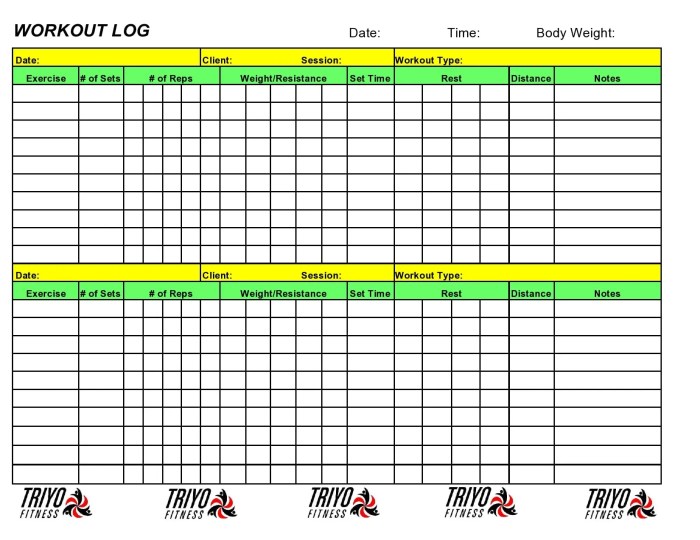
Keeping a workout journal allows you to track your exercises, sets, reps, and weights lifted. This helps you monitor your progress, identify patterns, and make necessary adjustments to your routine. Additionally, it provides motivation by showing how far you’ve come.
Tips for Using Fitness Apps or Wearable Devices
Fitness apps and wearable devices offer convenient ways to track progress by monitoring steps taken, calories burned, heart rate, and more. They provide real-time data and can help you stay accountable to your fitness goals. Make sure to choose a reliable app or device that suits your needs and preferences.
Significance of Regular Progress Evaluations
Regular progress evaluations are crucial to determine whether you are on track to achieve your fitness goals. By assessing your progress at specific intervals, such as weekly or monthly, you can identify areas of improvement, celebrate achievements, and adjust your routine accordingly. This helps maintain motivation and consistency in your fitness journey.
Stress Management
Exercise and Stress Reduction
Regular physical activity has been shown to reduce stress levels by increasing the production of endorphins, the body’s natural mood elevators. Exercise also helps lower levels of cortisol, a stress hormone, leading to a calmer mind and reduced anxiety.
Incorporating Mindfulness
- Practice deep breathing techniques during rest periods between sets to stay present and focused.
- Engage in yoga or Pilates sessions that emphasize mind-body connection and awareness.
- Listen to calming music or guided meditation while doing cardio exercises like running or cycling.
Impact of Stress on Physical Health
Stress can have a detrimental effect on physical health, leading to increased inflammation, muscle tension, and disrupted sleep patterns. This can ultimately hinder fitness progress and performance in the gym.
Stress-Relief Activities
- Take a nature walk or hike to enjoy the outdoors and clear your mind.
- Practice journaling or gratitude exercises to reflect on positive aspects of your life.
- Schedule regular massages or foam rolling sessions to release tension in muscles and promote relaxation.
Healthy Lifestyle
How to track progress in a fitness routine – Living a healthy lifestyle involves a combination of factors that contribute to overall wellness and well-being. This includes nutrition, exercise, sleep, as well as incorporating hobbies and maintaining social connections.
Components of a Holistic Healthy Lifestyle
- Eating a balanced diet rich in fruits, vegetables, whole grains, and lean proteins.
- Engaging in regular physical activity to strengthen the body and improve cardiovascular health.
- Prioritizing quality sleep to allow the body to rest, recover, and recharge.
- Managing stress through relaxation techniques such as meditation, yoga, or deep breathing exercises.
Nutrition, Exercise, and Sleep for Overall Wellness
Proper nutrition, regular exercise, and quality sleep play vital roles in maintaining overall wellness:
- Nutrition: A balanced diet provides essential nutrients for energy, immunity, and body functions.
- Exercise: Physical activity helps in weight management, strengthens muscles, and improves mental health.
- Sleep: Quality sleep is crucial for cognitive function, mood regulation, and overall health.
Tips for Maintaining a Balanced and Sustainable Healthy Lifestyle
- Plan and prepare meals in advance to make healthier choices easier.
- Find physical activities that you enjoy to stay motivated and consistent with exercise.
- Create a bedtime routine to improve sleep quality and establish a regular sleep schedule.
- Practice mindfulness and stress-relief techniques to manage daily pressures effectively.
Benefits of Incorporating Hobbies and Social Connections
- Engaging in hobbies promotes creativity, reduces stress, and provides a sense of accomplishment.
- Maintaining social connections boosts mental well-being, reduces feelings of isolation, and enhances overall happiness.
Medical Innovations: How To Track Progress In A Fitness Routine
Technology has played a significant role in revolutionizing the fitness tracking industry, providing individuals with innovative tools to monitor their progress and make informed decisions about their health and wellness.
Wearable devices have become increasingly popular in monitoring health metrics, such as heart rate, steps taken, calorie burn, and even sleep patterns. These devices, ranging from fitness trackers to smartwatches, allow users to track their daily activities and set goals to improve their overall fitness levels.
AI and data analytics are shaping personalized fitness routines by analyzing large amounts of data collected from wearable devices and other sources. This data is used to provide insights into individual health trends, predict potential issues, and tailor fitness plans to meet specific goals.
Cutting-edge medical technologies are also aiding in fitness progress tracking, such as body composition analyzers, smart scales, and even genetic testing kits. These tools provide individuals with detailed information about their bodies, allowing for a more customized approach to fitness and overall health management.
Role of Wearable Devices in Monitoring Health Metrics
- Wearable devices track various health metrics, including heart rate, steps taken, and sleep patterns.
- These devices provide real-time data to users, allowing for immediate feedback on their fitness activities.
- Users can set goals based on the data collected by wearable devices, helping them stay motivated and on track with their fitness routines.
AI and Data Analytics in Shaping Personalized Fitness Routines
- AI algorithms analyze data from wearable devices to provide personalized insights and recommendations for fitness goals.
- Data analytics help individuals understand their health trends and make informed decisions about their fitness routines.
- Personalized fitness plans based on AI and data analytics can lead to more effective and efficient workouts, tailored to individual needs.
Cutting-Edge Medical Technologies for Fitness Progress Tracking
- Body composition analyzers provide detailed information about muscle mass, body fat percentage, and overall body composition.
- Smart scales track weight, body mass index (BMI), and other metrics to monitor progress over time.
- Genetic testing kits offer insights into how genetics may influence fitness and health outcomes, guiding individuals in optimizing their fitness routines.
Nutritional Supplements
When it comes to enhancing fitness routines, nutritional supplements play a significant role in supporting overall health and fitness goals. These supplements provide essential nutrients that may be lacking in one’s diet, helping to optimize performance and recovery.
Common Nutritional Supplements
- Protein Powder: Helps in muscle repair and growth.
- Creatine: Aids in improving strength and power.
- BCAAs (Branched-Chain Amino Acids): Assist in muscle recovery and reducing muscle soreness.
- Omega-3 Fatty Acids: Support heart health and reduce inflammation.
- Vitamin D: Important for bone health and immune function.
Importance of Consulting a Healthcare Professional
Before incorporating any supplements into your fitness routine, it is crucial to consult with a healthcare professional or a registered dietitian. They can assess your individual needs and ensure that the supplements are safe and suitable for your health condition.
How Supplements Support Fitness Goals
- Fill Nutritional Gaps: Supplements can provide nutrients that may be lacking in your diet due to dietary restrictions or preferences.
- Enhance Performance: Certain supplements can improve exercise performance, recovery, and muscle growth.
- Support Overall Health: Nutritional supplements can contribute to better overall health by providing essential vitamins, minerals, and antioxidants.
Tips for Incorporating Supplements Safely
- Follow Recommended Dosages: Always adhere to the recommended dosages provided on the supplement labels.
- Quality Matters: Choose high-quality supplements from reputable brands to ensure safety and efficacy.
- Monitor Effects: Keep track of how your body responds to the supplements and adjust as needed with professional guidance.
- Balance with Whole Foods: Supplements should complement a balanced diet, not replace it. Focus on whole foods for overall nutrition.
Fitness Routine
Having a well-rounded fitness routine is essential for overall health and achieving fitness goals. It should include a combination of cardiovascular exercise, strength training, flexibility work, and rest and recovery.
Components of a Well-Rounded Fitness Routine
- Cardiovascular Exercise: Activities like running, cycling, or swimming that get your heart rate up and improve endurance.
- Strength Training: Using weights or bodyweight exercises to build muscle strength and tone the body.
- Flexibility Work: Stretching exercises to improve range of motion and prevent injury.
- Rest and Recovery: Allowing time for your body to recover and repair itself is crucial for progress and preventing burnout.
Examples of Workouts
Here are some examples of different types of workouts to incorporate into your fitness regimen:
- HIIT (High-Intensity Interval Training): Short bursts of intense exercise followed by brief rest periods.
- Yoga: Combining strength, flexibility, and relaxation techniques.
- Circuit Training: Rotating through different exercises with minimal rest in between.
- Pilates: Focuses on core strength, flexibility, and overall body awareness.
Importance of Variety and Progression, How to track progress in a fitness routine
Variety in your fitness routine helps prevent plateaus and keeps your body challenged. Progression, such as increasing weights or reps over time, is crucial for continued improvement and reaching new fitness goals.
Tips for Staying Motivated
- Set Specific Goals: Having clear objectives can help keep you focused and motivated.
- Find a Workout Buddy: Exercising with a friend can make workouts more enjoyable and hold you accountable.
- Reward Yourself: Celebrate small victories along the way to keep yourself motivated.
- Mix It Up: Try new activities or classes to keep things interesting and prevent boredom.
Health Screenings
Regular health screenings play a crucial role in monitoring overall health and detecting potential issues early on. These screenings help individuals stay proactive about their well-being and can lead to timely interventions that can prevent more serious health conditions.
Importance of Regular Check-ups and Preventive Screenings
Regular check-ups and preventive screenings are essential to maintaining good health and catching any health concerns before they escalate. By staying on top of these screenings, individuals can address any issues promptly and work towards improving their overall health and well-being.
Key Health Screenings Recommended for Different Age Groups
- For Adults: Annual physical exams, blood pressure checks, cholesterol screenings, and diabetes screenings are recommended.
- For Women: Mammograms, Pap smears, and bone density screenings are important for women’s health.
- For Men: Prostate exams, testicular exams, and colon cancer screenings are crucial screenings for men.
- For Seniors: Regular vision and hearing tests, bone density screenings, and cognitive assessments are recommended for seniors.
Tips for Scheduling and Tracking Health Screenings Alongside a Fitness Routine
- Set reminders: Use calendars or apps to schedule screenings in advance and set reminders for upcoming appointments.
- Combine appointments: Try to schedule health screenings on the same day as your fitness routine to save time and stay organized.
- Track results: Keep a record of your screening results and discuss them with your healthcare provider to track changes over time.
- Stay informed: Stay up-to-date on recommended screenings for your age group and discuss any concerns with your healthcare provider.
Disease Prevention
Regular exercise and maintaining a healthy lifestyle play a crucial role in preventing chronic diseases. By incorporating fitness routines, stress management techniques, and nutritious eating habits into daily life, individuals can significantly lower their risk of developing various health conditions.
Impact of Genetics and Lifestyle Choices
Genetics can predispose individuals to certain diseases, but lifestyle choices can either exacerbate or mitigate these risks. For example, someone with a family history of heart disease can reduce their chances of developing the condition by engaging in regular exercise and maintaining a balanced diet. Lifestyle modifications can help override genetic predispositions and promote overall health.
Examples of Preventable Diseases
– Cardiovascular diseases: Regular physical activity can improve heart health and reduce the risk of heart attacks and strokes.
– Type 2 diabetes: Maintaining a healthy weight through exercise and proper nutrition can prevent or manage diabetes.
– Certain types of cancer: Studies have shown that regular exercise and a healthy diet can lower the risk of developing certain cancers, such as breast and colon cancer.
Creating a Disease Prevention Plan
- Consult with a healthcare professional to assess individual health needs and risks.
- Set realistic goals for exercise, nutrition, and stress management based on personal preferences and abilities.
- Establish a consistent fitness routine that includes a variety of activities to maintain interest and engagement.
- Monitor progress regularly and make adjustments as needed to stay on track with disease prevention goals.
Sleep Hygiene
Sleep plays a crucial role in our overall health and well-being, especially when it comes to fitness progress. Quality sleep is essential for physical recovery, muscle repair, hormone regulation, and cognitive function. Establishing good sleep hygiene practices can significantly impact your fitness results and overall performance.
Importance of Quality Sleep
Quality sleep is vital for various aspects of our health, including fitness progress. During sleep, our bodies repair and rebuild muscles that have been broken down during exercise. It is also a time when important hormones, such as growth hormone, are released to support muscle growth and recovery.
Tips for Improving Sleep Hygiene
- Avoid caffeine and stimulants close to bedtime.
- Create a relaxing bedtime routine to signal to your body that it’s time to sleep.
- Keep your bedroom dark, quiet, and cool for optimal sleep conditions.
- Avoid screens (phones, computers, TVs) at least an hour before bed as the blue light can disrupt your sleep cycle.
Connection Between Exercise, Sleep, and Physical Recovery
Regular exercise can improve the quality of your sleep, leading to better recovery and overall fitness progress. Physical activity helps regulate your sleep-wake cycle and can reduce symptoms of insomnia. On the other hand, poor sleep can negatively impact your exercise performance and recovery.
Common Sleep Disorders Affecting Fitness Results
- Insomnia: Difficulty falling or staying asleep, leading to inadequate rest and recovery.
- Sleep Apnea: Breathing pauses during sleep, causing disruptions in the sleep cycle and affecting overall health.
- Restless Leg Syndrome: Uncomfortable sensations in the legs that disrupt sleep and can impact recovery.
Mental Clarity
Regular exercise and maintaining a healthy lifestyle can have a significant impact on mental clarity. The relationship between physical fitness and mental clarity is closely intertwined, with exercise playing a crucial role in enhancing cognitive function.
Cognitive Benefits of Exercise
Regular physical activity has been shown to improve memory, focus, and overall brain function. Exercise increases blood flow to the brain, which can help boost concentration and mental clarity. Additionally, the release of endorphins during exercise can reduce stress and improve mood, leading to better cognitive performance.
- Improved memory retention and recall
- Enhanced focus and concentration
- Reduced mental fatigue
Techniques for Enhancing Mental Focus
Incorporating activities that challenge the brain, such as puzzles, memory games, or learning a new skill, can help enhance mental focus. Additionally, practicing mindfulness techniques like meditation or deep breathing exercises can promote mental clarity and reduce distractions.
Mindfulness practices can help calm the mind and improve focus by bringing attention to the present moment.
Examples of Mindfulness Practices
Mindfulness practices can be seamlessly integrated into a fitness routine to support mental clarity. Examples include yoga, tai chi, and walking meditation, all of which emphasize being present and focused on the body and breath.
- Yoga: Combining movement with breath awareness can help improve concentration and mental clarity.
- Tai Chi: This gentle martial art promotes relaxation and mindfulness, leading to enhanced mental focus.
- Walking Meditation: Focusing on each step and breath while walking can calm the mind and improve mental clarity.
Hydration Importance
Proper hydration plays a crucial role in supporting fitness performance and aiding in recovery after intense workouts. Staying hydrated is essential for maintaining overall physical well-being and optimizing athletic performance.
Signs of Dehydration
- Increased thirst
- Dry mouth and lips
- Dark yellow urine
- Fatigue and dizziness
- Headache
Hydration Tips for Workouts
- Drink water before, during, and after exercise
- Monitor urine color to gauge hydration levels
- Consider electrolyte-rich drinks for intense workouts
- Aim to drink at least 8-10 glasses of water daily
Hydration Strategies for Different Fitness Goals
- Endurance Training: Focus on consistent hydration throughout the day and consider sports drinks during long workouts.
- Strength Training: Hydrate adequately to support muscle recovery and growth post-workout.
- High-Intensity Interval Training (HIIT): Drink water before and after intense intervals to maintain performance.
- Flexibility and Mobility Work: Stay hydrated to support joint health and overall flexibility.
Essential FAQs
How often should I evaluate my progress?
It’s recommended to evaluate your progress every 4-6 weeks to track changes effectively and adjust your fitness routine accordingly.
Is it necessary to use fitness apps for progress tracking?
While fitness apps can be helpful, keeping a workout journal or using wearable devices are also effective methods for tracking progress.


More Stories
Top Lifestyle Changes for Disease Prevention and Wellness
Sustainable Healthy Lifestyle: A Long-Term Success Plan
Best stress management apps for daily use: Top-rated apps, features, and benefits