Stress Management
Breathing techniques play a crucial role in reducing stress levels and promoting mental clarity. By focusing on our breath, we can calm the mind, regulate our emotions, and alleviate feelings of anxiety or tension.
Examples of Effective Breathing Exercises
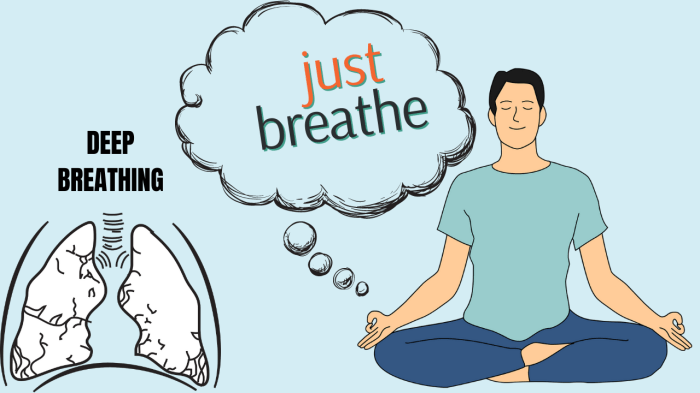
- Deep Breathing: Inhale slowly through your nose, allowing your belly to expand, then exhale gently through your mouth. Repeat this process for several minutes to calm your nervous system.
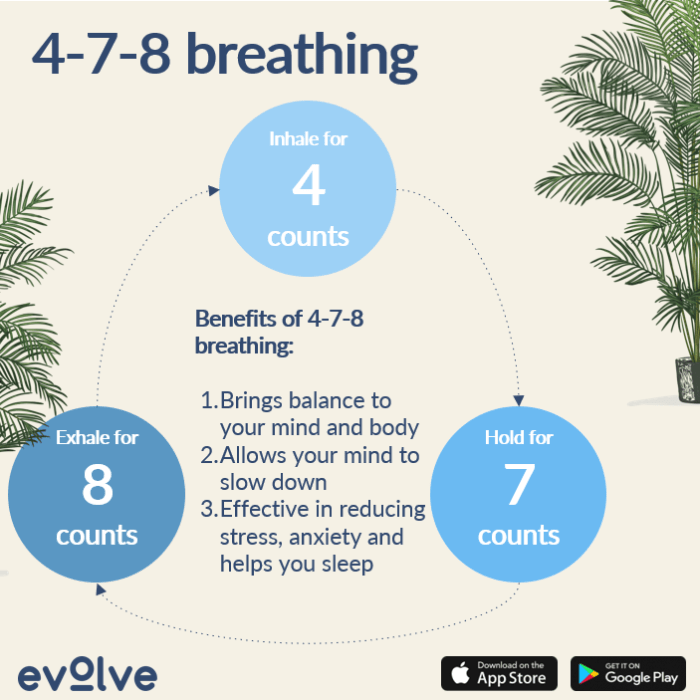
- 4-7-8 Technique: Inhale for a count of 4, hold your breath for 7 counts, then exhale for 8 counts. This exercise can help reduce stress and promote relaxation.
- Box Breathing: Inhale for 4 counts, hold for 4 counts, exhale for 4 counts, and then pause for 4 counts before repeating. This technique can help restore balance and reduce anxiety.
Connection Between Deep Breathing and Relaxation
Breathing techniques for mental clarity – Deep breathing stimulates the body’s relaxation response, activating the parasympathetic nervous system and promoting a sense of calmness. When we take slow, deep breaths, we send signals to the brain that it’s safe to relax, reducing the production of stress hormones like cortisol.
Healthy Lifestyle
Incorporating breathing techniques into daily routines can significantly contribute to a healthier lifestyle. By practicing these exercises regularly, individuals can experience a wide range of benefits that positively impact their overall well-being.
Benefits of Breathing Exercises
- Improved Oxygen Flow: Deep breathing techniques help increase oxygen levels in the body, promoting better circulation and overall health.
- Stress Reduction: Breathing exercises have been shown to lower stress levels, which can have a positive impact on mental clarity and emotional well-being.
- Enhanced Focus and Concentration: By practicing breathing techniques, individuals can train their minds to focus better and improve cognitive function.
- Reduced Anxiety: Controlled breathing can help calm the nervous system, reducing feelings of anxiety and promoting a sense of relaxation.
Impact of Breathing Techniques vs. Other Habits
When comparing the impact of breathing techniques with other lifestyle habits on mental clarity, it is clear that incorporating these exercises can have a profound effect. While factors like diet, exercise, and sleep also play a role in mental well-being, the immediate and direct influence of breathing techniques on calming the mind and reducing stress sets them apart as a powerful tool for promoting mental clarity.
Medical Innovations
Breathing techniques for mental clarity are not only utilized by individuals for personal well-being but also by medical professionals in patient care settings. These techniques have shown promising results in managing stress, anxiety, and improving overall mental health.
Utilization in Patient Care
In medical settings, healthcare providers incorporate breathing exercises as part of treatment plans for patients dealing with various mental health conditions such as anxiety disorders, PTSD, and depression. By teaching patients how to regulate their breathing patterns, professionals can help them achieve a sense of calmness and mental clarity, ultimately aiding in their recovery process.
Innovative Technologies and Devices
With advancements in technology, there are now innovative devices designed to assist individuals in enhancing their breathing practices for mental well-being. For example, biofeedback devices can provide real-time feedback on breathing patterns, helping users to adjust and optimize their techniques for better results. Additionally, apps and wearable devices offer guided breathing exercises and mindfulness practices, making it easier for individuals to incorporate these techniques into their daily routine.
Research Findings
Numerous research studies have demonstrated the effectiveness of breathing techniques in medical settings for promoting mental clarity and reducing symptoms of anxiety and stress. For instance, a study published in the Journal of Clinical Psychology found that deep breathing exercises significantly decreased anxiety levels in patients with generalized anxiety disorder. These findings highlight the value of incorporating breathing techniques as a complementary approach to traditional treatments in mental healthcare.
Nutritional Supplements
When it comes to boosting mental clarity, combining breathing techniques with specific nutritional supplements can be highly beneficial. These supplements work in synergy with breathing practices to enhance cognitive function and overall mental well-being.
Key Supplements for Improved Cognitive Function
- Omega-3 fatty acids: Essential for brain health and known to improve cognitive function. Found in fish oil supplements.
- Vitamin B complex: Supports nerve function and brain health, crucial for mental clarity. Available in supplement form.
- Magnesium: Helps regulate neurotransmitters in the brain, promoting relaxation and focus. Can be taken as a supplement.
- Ginkgo Biloba: Enhances blood flow to the brain, improving cognitive function and mental clarity. Commonly found in supplement form.
Synergy between Nutrition, Supplements, and Breathing Practices
Proper nutrition, including a balanced diet rich in essential nutrients, lays the foundation for optimal brain function. When combined with specific supplements that target cognitive enhancement and breathing techniques that promote relaxation and focus, the synergy created can significantly boost mental clarity. The nutrients from supplements support brain health, while breathing exercises help reduce stress and increase oxygen flow to the brain, resulting in improved cognitive function and mental well-being.
Fitness Routine
Breathing techniques can play a crucial role in enhancing mental focus during a fitness routine. By integrating specific breathwork practices, individuals can optimize their cognitive abilities and overall performance.
Incorporating Breathwork into Different Workouts
- Before starting a workout, begin with deep breathing exercises to calm the mind and increase focus.
- During cardio exercises, focus on rhythmic breathing to maintain energy levels and mental clarity.
- For strength training, synchronize breathing with each repetition to enhance concentration and endurance.
- In yoga or stretching routines, incorporate breathwork to deepen stretches and promote relaxation.
Importance of Synchronization between Breathing Patterns and Exercises, Breathing techniques for mental clarity
It is essential to establish a harmonious connection between breathing patterns and physical movements to achieve optimal mental performance during workouts. Proper synchronization ensures efficient oxygen flow to the brain, enhances concentration, and reduces stress levels.
Health Screenings
Health screenings play a crucial role in identifying conditions that may benefit from breathing techniques for mental clarity.
Importance of Regular Screenings
Regular screenings can help individuals monitor their mental well-being in conjunction with breathing practices. By detecting any potential issues early on, individuals can take proactive steps to address them and improve their mental health.
Integrating Breathing Assessments
Healthcare providers can integrate breathing assessments into routine screenings for mental health by incorporating simple breathing exercises or mindfulness techniques during patient appointments. This can help gauge an individual’s stress levels, anxiety, or overall mental state, providing valuable insights for personalized treatment plans.
Disease Prevention: Breathing Techniques For Mental Clarity
Breathing techniques play a significant role in disease prevention by helping to reduce stress levels, which can lead to various stress-related illnesses. Consistent practice of breathwork can have a positive impact on overall health and well-being.
Benefits of Breathing Techniques for Disease Prevention
- Lowering stress levels: By practicing deep breathing exercises, individuals can activate the body’s relaxation response, which helps lower cortisol levels and reduce overall stress.
- Improving immune function: Chronic stress can weaken the immune system, making individuals more susceptible to illnesses. By managing stress through breathwork, the immune system can function more effectively in fighting off infections and diseases.
- Enhancing mental clarity: Clarity of mind achieved through breathing exercises can help individuals make better decisions regarding their health, leading to healthier lifestyle choices that contribute to disease prevention.
Sleep Hygiene
Improving sleep quality is crucial for overall health and mental clarity. Incorporating breathing techniques into your bedtime routine can have a significant impact on enhancing sleep hygiene. By focusing on deep, intentional breathing, you can calm your mind, reduce stress, and prepare your body for restful sleep.
Benefits of Deep Breathing for Better Sleep
- Deep breathing promotes relaxation: Taking slow, deep breaths signals to your body that it is time to unwind and relax, helping to reduce tension and anxiety before bedtime.
- Enhanced oxygen flow: Deep breathing techniques allow for better oxygen circulation in the body, promoting a sense of calmness and aiding in the transition to sleep.
- Improved mental clarity: By incorporating deep breathing exercises into your bedtime routine, you can clear your mind of racing thoughts and worries, leading to a more peaceful and restful sleep.
Tips for Using Breathing Exercises for Better Sleep
- Practice diaphragmatic breathing: Focus on breathing deeply from your diaphragm rather than shallow chest breathing. Inhale slowly through your nose, allowing your abdomen to expand, then exhale gently through your mouth.
- Try progressive muscle relaxation: Combine deep breathing with progressive muscle relaxation by tensing and then releasing each muscle group in your body while focusing on your breath. This can help release physical tension and promote relaxation.
- Set aside dedicated time: Prioritize incorporating breathing exercises into your nightly routine. Find a quiet, comfortable space where you can focus on your breath without distractions.
Mental Clarity
Breathing techniques can play a crucial role in enhancing mental clarity. When we talk about mental clarity, we refer to the state of having a clear and focused mind, free from distractions and mental fog. It allows us to think more effectively, make better decisions, and improve overall cognitive function.
Enhancing Cognitive Function
Using specific breathing practices, such as deep breathing or diaphragmatic breathing, can help increase oxygen flow to the brain. This boost in oxygen levels can improve brain function, enhance concentration, and promote mental alertness. By incorporating these techniques into your daily routine, you may experience sharper focus, better memory retention, and an overall sense of mental clarity.
Personal Experiences
Many individuals have reported significant improvements in their mental clarity after regularly practicing breathing exercises. For example, some have noticed reduced stress levels, increased productivity, and a greater sense of calmness throughout the day. By consciously focusing on their breath and practicing mindfulness, they have been able to enhance their cognitive abilities and achieve a clearer state of mind.
Mindfulness and Focus Connection
Mindfulness plays a crucial role in achieving mental clarity. By practicing breathwork and being fully present in the moment, individuals can improve their ability to focus on tasks at hand and avoid distractions. The connection between mindfulness, focus, and mental clarity is strong, as breathwork helps regulate the nervous system, reduce stress, and promote a sense of inner peace. Through consistent practice, individuals can cultivate a more focused and clear mind, leading to improved cognitive function and overall well-being.
Hydration Importance
Proper hydration plays a crucial role in supporting the benefits of breathing exercises for mental clarity. When the body is well-hydrated, it can function optimally, allowing for improved focus, concentration, and cognitive abilities.
Maintaining Proper Hydration Levels
- Aim to drink at least 8-10 glasses of water per day to stay hydrated.
- Carry a reusable water bottle with you to ensure easy access to water throughout the day.
- Consume hydrating foods such as fruits and vegetables, along with water, to boost hydration levels.
- Avoid excessive consumption of caffeinated and sugary beverages, as they can dehydrate the body.
Impact of Hydration on Cognitive Abilities
Proper hydration is essential for brain function, as even mild dehydration can lead to cognitive decline. When combined with breathing techniques for mental clarity, adequate hydration can enhance focus, memory, and overall mental performance.
Remember, staying hydrated is key to maximizing the benefits of breathwork for mental clarity.
FAQ Summary
How often should I practice breathing techniques for mental clarity?
It is recommended to practice breathing exercises daily for optimal results. Consistency is key in reaping the benefits of improved mental clarity.
Can breathing techniques help with anxiety and panic attacks?
Absolutely. Deep breathing exercises are known to calm the mind and body, making them effective tools for managing anxiety and reducing the intensity of panic attacks.
Are there specific breathing techniques recommended for beginners?
Yes, beginners can start with simple techniques like diaphragmatic breathing or box breathing to ease into the practice and gradually build their skills.


More Stories
Mental Resilience: Boosting Mental Health and Well-being