Stress Management
Stress management is crucial for seniors to maintain their overall well-being and quality of life. By incorporating various relaxation techniques into daily routines and fostering social connections, seniors can effectively reduce stress levels and improve their mental health.
Relaxation Techniques
- Practice deep breathing exercises: Deep breathing can help calm the mind and reduce stress levels. Take slow, deep breaths in through the nose and exhale through the mouth.
- Engage in gentle exercises: Activities like yoga, tai chi, or walking can help relax the body and mind, releasing tension and stress.
- Try meditation: Meditation techniques can promote mindfulness and relaxation, allowing seniors to focus on the present moment and let go of stressors.
Incorporating Relaxation into Daily Routine
- Schedule regular relaxation time: Set aside a few minutes each day to engage in relaxation activities, such as listening to calming music or practicing mindfulness.
- Create a peaceful environment: Designate a quiet and comfortable space at home where you can unwind and relax without distractions.
Importance of Social Connections
- Stay connected with friends and family: Social interactions can provide emotional support and a sense of belonging, reducing feelings of isolation and stress.
- Join community groups or clubs: Participating in social activities and group events can help seniors build new relationships and strengthen existing ones, promoting overall well-being.
Healthy Lifestyle
Maintaining a healthy lifestyle is crucial for seniors to enhance their overall well-being and quality of life. This includes following a balanced diet, engaging in regular physical activity, and establishing consistent wellness routines.
Examples of a Balanced Diet for Seniors
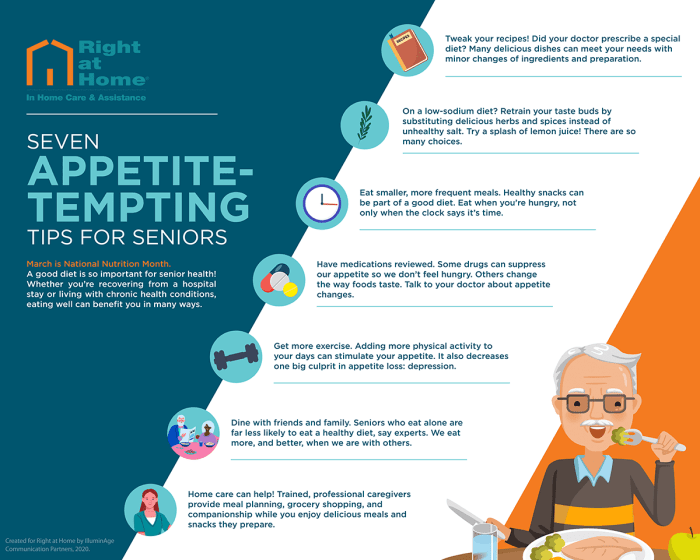
Healthy lifestyle tips for seniors – A balanced diet for seniors should include a variety of nutrient-dense foods to ensure they are meeting their nutritional needs. Here are some examples:
- Plenty of fruits and vegetables for vitamins, minerals, and fiber
- Whole grains such as brown rice and whole wheat bread for sustained energy
- Lean protein sources like chicken, fish, beans, and tofu for muscle maintenance
- Healthy fats from sources like nuts, seeds, and avocado for heart health
- Dairy or dairy alternatives for calcium and vitamin D
Benefits of Regular Physical Activity
Engaging in regular physical activity is essential for seniors to maintain their physical and mental health. Some benefits include:
- Improved cardiovascular health and reduced risk of chronic diseases
- Enhanced strength, flexibility, and balance to prevent falls and injuries
- Boosted mood and mental well-being through the release of endorphins
- Better cognitive function and reduced risk of cognitive decline
Establishing a Consistent Wellness Routine
Creating a consistent wellness routine helps seniors stay on track with their healthy habits. Here are some insights on how to establish one:
- Schedule regular exercise sessions and stick to them
- Plan and prepare healthy meals in advance to avoid unhealthy food choices
- Incorporate stress-reducing activities like meditation or yoga into your daily routine
- Stay connected with friends and loved ones for emotional support and social interaction
Medical Innovations
Recent medical innovations have greatly improved healthcare for seniors by introducing cutting-edge technologies and advancements in various medical fields.
Role of Technology in Monitoring Health Conditions
Technology plays a crucial role in monitoring the health conditions of seniors, allowing for continuous tracking and early detection of any potential issues. Devices such as wearable fitness trackers, smartwatches, and remote monitoring systems enable healthcare providers to keep a close eye on vital signs and health metrics without the need for frequent in-person visits.
Telemedicine Impact on Access to Medical Care
Telemedicine has revolutionized the way older adults access medical care by providing remote consultations and virtual appointments. This innovation has significantly improved the convenience and accessibility of healthcare services for seniors, especially those living in rural or underserved areas. Through telemedicine, seniors can connect with healthcare professionals, receive medical advice, and even undergo virtual examinations from the comfort of their homes.
Nutritional Supplements
As we age, our bodies may require additional support in the form of nutritional supplements to maintain optimal health. These supplements can help bridge any nutritional gaps and support overall well-being for seniors.
Essential Vitamins and Minerals for Seniors
Seniors may benefit from specific vitamins and minerals to address age-related health concerns. Here are some essential nutrients:
- Vitamin D: Important for bone health and immune function.
- Calcium: Vital for maintaining strong bones and teeth.
- Vitamin B12: Helps with nerve function and red blood cell production.
- Omega-3 fatty acids: Support heart health and brain function.
Considerations for Choosing Supplements
When selecting nutritional supplements for older adults, it is important to consider the following factors:
- Consult with a healthcare provider to determine specific needs and dosage requirements.
- Look for supplements with quality ingredients and reputable brands.
- Avoid mega-doses of vitamins and minerals, as they may be harmful in excess.
- Consider the form of the supplement (e.g., liquid, capsule, chewable) based on personal preferences and ease of consumption.
Fitness Routine
Regular physical activity is crucial for seniors to maintain their overall health and well-being. A well-rounded fitness routine should include a combination of cardiovascular exercise, strength training, flexibility exercises, and balance activities.
Importance of Flexibility and Strength Training, Healthy lifestyle tips for seniors
Flexibility exercises help seniors maintain joint mobility and prevent stiffness, reducing the risk of falls and injuries. Strength training is essential for building and maintaining muscle mass, which tends to decrease with age. Both types of exercises can improve overall physical function and quality of life.
- Include stretching exercises such as yoga or Pilates to improve flexibility and range of motion.
- Incorporate strength training exercises using resistance bands or light weights to build muscle strength.
- Consult with a fitness trainer or physical therapist to learn proper techniques and modifications for your individual needs.
Tips for Adjusting Workout Intensity
It’s important for seniors to listen to their bodies and adjust the intensity of their workouts based on their abilities. Here are some tips for modifying your fitness routine:
- Start slow and gradually increase the intensity of your workouts to avoid overexertion.
- Pay attention to any pain or discomfort during exercise and modify or stop the activity if necessary.
- Consider low-impact exercises like swimming or cycling if high-impact activities are too strenuous.
- Stay hydrated and take breaks as needed to prevent fatigue and dehydration.
Health Screenings
Regular health screenings are crucial for seniors as they play a key role in maintaining good health and catching potential issues early on. By undergoing screenings, older adults can detect any health problems in their early stages, allowing for timely intervention and prevention of further complications.
Common Screenings for Older Adults
- Blood Pressure: Regular monitoring of blood pressure levels can help in preventing heart disease, strokes, and kidney issues.
- Cholesterol: Screening for cholesterol levels can aid in reducing the risk of heart disease.
- Diabetes: Testing for blood sugar levels is essential in managing diabetes and preventing related complications.
- Bone Density: Screening for bone density can help in the early detection of osteoporosis.
- Colon Cancer: Regular screenings for colon cancer, such as colonoscopies, are recommended for older adults.
Importance of Screenings in Early Detection
Regular health screenings can help in early detection and prevention of various health issues. By identifying problems early, seniors can receive timely treatment and make necessary lifestyle changes to improve their overall health and well-being. Screenings also provide an opportunity for healthcare providers to educate seniors on preventive measures and promote healthy habits for a better quality of life.
Disease Prevention: Healthy Lifestyle Tips For Seniors
Preventing age-related diseases is crucial for maintaining good health and quality of life as a senior. By implementing certain strategies and practices, you can significantly reduce your risk of developing common illnesses associated with aging.
Role of Vaccinations
Vaccinations play a key role in disease prevention for seniors by boosting immunity against various infectious diseases. It is important for seniors to stay up-to-date with recommended vaccines, such as flu shots, pneumonia vaccines, and shingles vaccines. These vaccinations can help prevent serious complications and reduce the likelihood of getting sick.
Importance of Regular Check-ups
Regular check-ups and preventive care are essential for disease prevention in seniors. Routine visits to healthcare providers allow for early detection of any potential health issues and enable timely intervention. Through regular screenings, blood tests, and examinations, seniors can monitor their health status and address any concerns before they escalate into serious conditions.
Sleep Hygiene
Sleep is crucial for overall health, especially for seniors. Good sleep hygiene practices can significantly improve the quality of sleep and promote better health outcomes.
Tips for Improving Sleep Quality
- Establish a consistent sleep schedule by going to bed and waking up at the same time every day.
- Create a relaxing bedtime routine to signal to your body that it’s time to sleep.
- Avoid heavy meals, caffeine, and alcohol close to bedtime.
- Ensure your sleep environment is comfortable, quiet, and dark.
- Avoid naps during the day, especially in the late afternoon or evening.
Impact of Good Sleep Hygiene on Overall Health
Maintaining good sleep hygiene not only improves sleep quality but also has a positive impact on overall health. Adequate sleep can enhance cognitive function, mood, immune function, and reduce the risk of chronic diseases.
Relaxation Techniques for Better Sleep
- Practice deep breathing exercises or meditation before bedtime to relax your mind and body.
- Try gentle yoga or stretching to release tension and promote relaxation.
- Use white noise machines or soothing music to create a calming sleep environment.
- Avoid electronic devices before bed as the blue light can disrupt your sleep cycle.
Mental Clarity
Maintaining mental clarity is essential for seniors to stay sharp and focused as they age. Engaging in activities that stimulate the brain can help improve cognitive function and overall mental well-being.
Brain-Stimulating Exercises and Games
- Engage in puzzles like crosswords, Sudoku, or jigsaw puzzles to challenge the mind.
- Try learning a new skill or hobby to keep the brain active and engaged.
- Participate in memory games or brain training apps to enhance cognitive abilities.
Enhancing Memory and Mental Sharpness
- Practice mindfulness and meditation to improve focus and reduce stress, which can enhance memory retention.
- Stay physically active through regular exercise to promote blood flow to the brain and support cognitive function.
- Get an adequate amount of sleep to allow the brain to rest and consolidate memories for better mental clarity.
Hydration Importance

Staying hydrated is crucial for overall health, especially for seniors. Dehydration can lead to various health issues and impact daily functioning. It is essential for older adults to prioritize their water intake to maintain optimal well-being.
Tips for Adequate Water Intake
- Carry a reusable water bottle with you throughout the day to remind yourself to drink water regularly.
- Set specific goals for water consumption based on your individual needs and lifestyle.
- Include hydrating foods in your diet, such as fruits and vegetables with high water content.
- Drink water before, during, and after physical activity to replenish fluids lost through sweating.
- Create a schedule or use reminders to ensure you are drinking water consistently.
Effects of Dehydration and Prevention Strategies
- Dehydration can lead to symptoms like dizziness, confusion, fatigue, and constipation in older adults.
- Monitor your urine color to gauge hydration levels – light yellow or clear urine indicates proper hydration.
- Aim to drink fluids regularly throughout the day, even if you do not feel thirsty.
- Avoid excessive consumption of caffeinated or alcoholic beverages, as they can contribute to dehydration.
- Seek medical attention if you experience severe dehydration symptoms or have difficulty maintaining adequate hydration.
FAQ Insights
How can seniors manage stress effectively?
Seniors can manage stress by incorporating relaxation practices, maintaining social connections, and engaging in activities they enjoy.
What are some essential vitamins and minerals for seniors?
Seniors should focus on getting enough Vitamin D, Vitamin B12, calcium, and magnesium for optimal health.
Why is hydration important for seniors?
Staying hydrated is crucial for senior health as it helps maintain proper bodily functions, supports cognitive function, and prevents dehydration-related issues.


More Stories