Disease Prevention through Water Sanitation
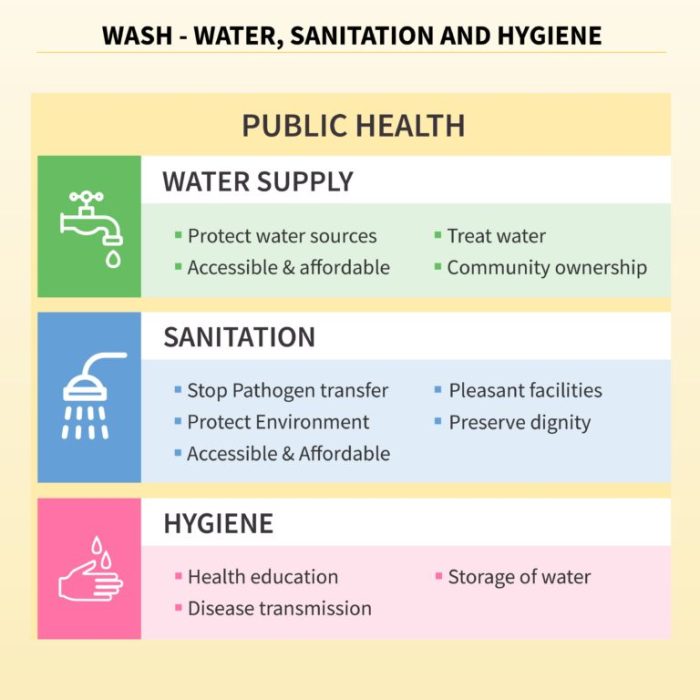
Clean water plays a crucial role in preventing waterborne diseases by reducing the transmission of harmful pathogens. Water sanitation practices are essential in ensuring that water sources are free from contaminants that can cause infections. Implementing effective water sanitation programs is key to promoting public health and preventing outbreaks of diseases.
Importance of Clean Water in Disease Prevention
- Access to clean water is vital for maintaining good health and preventing waterborne illnesses such as cholera, typhoid fever, and dysentery.
- Contaminated water sources can lead to the spread of infectious diseases, especially in communities with inadequate sanitation facilities.
- Proper water sanitation helps in reducing the risk of diarrheal diseases, which are a leading cause of morbidity and mortality worldwide.
Role of Water Sanitation in Reducing Infections
- Water sanitation practices, such as chlorination and filtration, help in eliminating harmful bacteria, viruses, and parasites from water sources.
- Improving sanitation infrastructure, such as sewage treatment plants and proper waste disposal systems, can prevent the contamination of water bodies.
- Educating communities about the importance of clean water and proper hygiene practices is crucial for preventing the spread of waterborne diseases.
Examples of Successful Water Sanitation Programs
- The Water and Sanitation Program (WSP) in Bangladesh has significantly reduced the incidence of waterborne diseases by improving access to clean water and sanitation facilities in rural areas.
- The Clean Water for All initiative in Kenya has successfully implemented community-led water sanitation projects, resulting in a significant decrease in diarrheal diseases among the population.
- The Safe Drinking Water Project in India has provided millions of people with access to safe and clean drinking water through the installation of water purification systems and sanitation facilities.
Stress Management
Stress can have a significant impact on overall health, both physically and mentally. It can weaken the immune system, increase blood pressure, and contribute to the development of various health issues. Effective stress management techniques are essential to maintain a healthy lifestyle and prevent diseases.
Mindfulness and Relaxation Exercises, Disease prevention through water sanitation
Practicing mindfulness, which involves focusing on the present moment without judgment, can help reduce stress levels and promote emotional well-being. Techniques such as deep breathing, progressive muscle relaxation, and meditation can be beneficial in calming the mind and body. Engaging in regular physical activity, getting an adequate amount of sleep, and maintaining a healthy diet are also important for managing stress.
Relationship between Stress and Disease Prevention
Chronic stress can increase the risk of developing conditions such as heart disease, diabetes, and depression. By effectively managing stress through relaxation techniques and mindfulness, individuals can lower their risk of these diseases. It is crucial to prioritize self-care and implement stress management strategies to maintain overall health and well-being.
Healthy Lifestyle

Disease prevention through water sanitation – Adopting a healthy lifestyle plays a crucial role in disease prevention and overall well-being. By making conscious choices in terms of diet, exercise, and daily habits, individuals can significantly reduce their risk of various illnesses.
Maintaining a Balanced Diet
Eating a balanced diet rich in nutrients is essential for supporting the immune system and overall health. Here are some tips for maintaining a healthy diet:
- Aim to include a variety of fruits, vegetables, whole grains, and lean proteins in your meals.
- Avoid excessive consumption of processed foods, sugary drinks, and high-fat snacks.
- Stay hydrated by drinking an adequate amount of water throughout the day.
- Limit your intake of salt, sugar, and saturated fats to promote heart health.
Regular Exercise Routine
Physical activity is key to maintaining a healthy lifestyle and preventing diseases. Here are some tips for incorporating exercise into your daily routine:
- Engage in at least 150 minutes of moderate-intensity aerobic activity per week.
- Incorporate strength training exercises at least twice a week to build muscle and improve metabolism.
- Find activities you enjoy, whether it’s walking, cycling, dancing, or yoga, to stay motivated and consistent.
- Set realistic goals and track your progress to stay accountable and make adjustments as needed.
Role of Lifestyle Choices
Your lifestyle choices have a direct impact on your overall well-being. By prioritizing healthy habits and self-care, you can promote physical, mental, and emotional health. Here are some ways lifestyle choices contribute to well-being:
- Reducing stress through mindfulness practices, relaxation techniques, and adequate sleep can boost immune function and lower the risk of chronic diseases.
- Maintaining social connections and engaging in meaningful relationships can improve mental health and provide a support system during challenging times.
- Avoiding harmful habits like smoking, excessive alcohol consumption, and substance abuse can prevent a wide range of health issues and improve quality of life.
- Prioritizing self-care activities such as regular medical check-ups, mental health counseling, and healthy coping strategies can enhance overall well-being and resilience.
Medical Innovations
In the field of disease prevention, medical innovations play a crucial role in improving the detection, treatment, and overall management of various health conditions. Advancements in technology have paved the way for groundbreaking methods and tools that have revolutionized the way we approach healthcare.
Innovative Technologies for Disease Prevention
- Gene Editing: Technologies like CRISPR-Cas9 have enabled scientists to target and modify specific genes associated with diseases, offering potential cures for genetic disorders.
- Telemedicine: Remote healthcare services allow patients to consult with healthcare providers virtually, increasing access to medical care and disease prevention strategies.
- Artificial Intelligence: AI-driven algorithms can analyze vast amounts of medical data to identify patterns and predict potential health risks, aiding in early disease detection.
Advancements in Disease Detection and Treatment
- Precision Medicine: Tailoring treatment plans based on individual genetic, environmental, and lifestyle factors has improved the efficacy of therapies and reduced side effects.
- Immunotherapy: Harnessing the body’s immune system to target and destroy cancer cells has led to significant advancements in cancer treatment, with fewer side effects than traditional therapies.
- Robotics in Surgery: Minimally invasive robotic surgery techniques offer precise control and enhanced visualization, leading to quicker recovery times and reduced complications.
Cutting-Edge Medical Innovations
- Nanotechnology: Utilizing nanoparticles for targeted drug delivery has shown promising results in treating various diseases while minimizing side effects on healthy tissues.
- Organ Regeneration: Advances in regenerative medicine have made it possible to grow and transplant organs, offering hope to patients with organ failure and reducing the need for organ donors.
- Personalized Vaccines: Customized vaccines based on an individual’s genetic makeup are being developed to provide personalized protection against infectious diseases.
Nutritional Supplements
Nutritional supplements play a crucial role in supporting immune health by providing essential vitamins and minerals that our bodies need to function properly.
Benefits of Key Vitamins and Minerals
- Vitamin C: Known for its antioxidant properties, Vitamin C helps boost the immune system and protect against infections.
- Vitamin D: Supports immune function and helps regulate the body’s inflammatory response.
- Zinc: Essential for immune cell function and plays a role in wound healing.
- Iron: Important for the production of red blood cells, which carry oxygen throughout the body and support immune function.
Guidelines for Choosing and Incorporating Nutritional Supplements
- Consult with a healthcare provider before starting any new supplement regimen, especially if you have existing health conditions or are taking medications.
- Choose high-quality supplements from reputable brands to ensure safety and efficacy.
- Consider your individual nutritional needs and focus on supplementing any deficiencies in your diet rather than relying solely on supplements.
- Incorporate supplements into a balanced diet rather than using them as a replacement for whole foods.
Fitness Routine
Regular physical activity plays a crucial role in preventing various diseases and maintaining overall health. Engaging in a fitness routine not only helps in managing weight but also improves cardiovascular health, strengthens muscles, and enhances mental well-being.
Importance of Regular Physical Activity
Regular physical activity is essential for disease prevention as it helps in reducing the risk of chronic conditions such as heart disease, diabetes, and obesity. By incorporating a fitness routine into your daily life, you can boost your immune system, improve your mood, and increase your energy levels.
Designing an Effective Fitness Routine
- Set realistic goals: Establish achievable fitness goals based on your current fitness level and gradually increase the intensity and duration of your workouts.
- Include a variety of exercises: Incorporate aerobic, strength training, flexibility, and balance exercises to ensure a well-rounded fitness routine.
- Stay consistent: Consistency is key to seeing results, so make sure to schedule regular workout sessions and stick to them.
- Listen to your body: Pay attention to how your body responds to exercise and adjust your routine accordingly to prevent injuries.
Connection Between Physical Fitness and Disease Risk Reduction
Engaging in regular physical activity has been linked to a lower risk of developing chronic diseases such as heart disease, type 2 diabetes, and certain types of cancer. By maintaining a healthy fitness routine, you can improve your overall health and well-being while reducing the likelihood of developing these serious health conditions.
Health Screenings
Regular health screenings play a crucial role in early disease detection and prevention. By undergoing these screenings, individuals can identify potential health issues before they progress to more serious conditions, allowing for timely intervention and treatment.
Types of Health Screenings
- 1. Blood Pressure Screening: Regular monitoring of blood pressure levels can help detect hypertension early on, reducing the risk of heart disease and stroke.
- 2. Cholesterol Screening: Checking cholesterol levels can aid in preventing heart disease and guiding lifestyle modifications or medication as needed.
- 3. Cancer Screenings: Screenings such as mammograms, colonoscopies, and Pap smears are essential for early detection of cancer, improving treatment outcomes.
- 4. Diabetes Screening: Testing blood sugar levels can help in the early diagnosis of diabetes, enabling effective management and prevention of complications.
The importance of preventive screenings cannot be overstated, as they are vital in maintaining good health and well-being.
Sleep Hygiene
Quality sleep plays a crucial role in disease prevention as it allows our bodies to rest, repair, and recharge. Lack of proper sleep can weaken the immune system, making us more susceptible to illnesses. Here are some tips to improve sleep hygiene and establish a bedtime routine:
Tip 1: Maintain a Consistent Sleep Schedule
- Aim to go to bed and wake up at the same time every day, even on weekends.
- Consistency helps regulate your body’s internal clock, improving the quality of your sleep.
Tip 2: Create a Relaxing Bedtime Routine
- Avoid stimulating activities before bed, such as using electronic devices or watching TV.
- Engage in calming activities like reading a book, taking a warm bath, or practicing relaxation techniques.
Tip 3: Design a Comfortable Sleep Environment
- Ensure your bedroom is cool, dark, and quiet to promote better sleep.
- Invest in a comfortable mattress and pillows that support your sleep position.
Relationship Between Sleep Deprivation and Susceptibility to Illnesses
Sleep deprivation can weaken the immune system, making you more vulnerable to infections and illnesses. Chronic lack of sleep has been linked to conditions like heart disease, diabetes, and obesity. Prioritizing quality sleep is essential for overall health and disease prevention.
Mental Clarity
Maintaining mental clarity is crucial for overall well-being and disease prevention. A clear mind allows individuals to make better decisions, manage stress effectively, and improve their cognitive functions.
Enhancing Mental Clarity
- Practice mindfulness: Engaging in mindfulness activities such as meditation and deep breathing exercises can help clear the mind and improve focus.
- Engage in cognitive exercises: Activities like puzzles, brain games, and learning new skills can enhance cognitive function and promote mental clarity.
- Get regular exercise: Physical activity has been shown to boost mood, reduce stress, and improve cognitive function, all of which contribute to mental clarity.
Importance of Mental Health
- Mental health plays a significant role in maintaining a healthy lifestyle as it affects every aspect of a person’s well-being, including physical health, relationships, and productivity.
- Poor mental health can lead to increased stress, anxiety, and depression, which can negatively impact overall health and increase the risk of developing diseases.
- Seeking professional help when needed and practicing self-care are essential for preserving mental health and promoting mental clarity.
Hydration Importance
Proper hydration plays a crucial role in disease prevention and maintaining overall health. Water is essential for various bodily functions and processes, making it vital to stay hydrated throughout the day.
Daily Water Intake Guidelines and Benefits
- It is recommended to drink at least 8-10 glasses of water per day to ensure adequate hydration.
- Staying hydrated helps in regulating body temperature, aiding digestion, and promoting healthy skin.
- Water intake also supports the transportation of nutrients and oxygen to cells, as well as the removal of waste products.
- Proper hydration can improve energy levels, cognitive function, and overall well-being.
Impact of Dehydration on the Body and Health Risks
- Dehydration can lead to a range of health issues, including headaches, fatigue, dizziness, and muscle cramps.
- Severe dehydration can cause electrolyte imbalances, kidney problems, and even organ failure in extreme cases.
- It is important to recognize the signs of dehydration, such as dark urine, dry mouth, and thirst, and address them promptly by increasing fluid intake.
- Individuals should be mindful of their water consumption, especially during hot weather, physical activity, or illness, to prevent dehydration and its associated risks.
Query Resolution
How does clean water help prevent diseases?
Clean water reduces the risk of waterborne diseases by eliminating harmful pathogens.
What are some effective water sanitation practices?
Boiling water, using water filters, and adding chlorine are effective sanitation methods.
Can water sanitation programs really make a difference?
Yes, successful programs have shown a significant reduction in disease transmission rates.


More Stories
Hydration and its effects on cognitive function: Understanding the Impact
Mental clarity techniques for improving decision-making
Natural supplements for mental clarity: Enhancing cognitive function naturally with supplements