Stress Management
Stress can have a significant impact on our overall health and well-being, including our susceptibility to diseases. When it comes to disease prevention through healthy eating habits, managing stress plays a crucial role in ensuring the effectiveness of these strategies.
Techniques for Stress Management
- Practice mindfulness and meditation: Taking time to focus on the present moment can help reduce stress levels and improve mental clarity.
- Engage in physical activity: Regular exercise is not only beneficial for physical health but can also be a great way to relieve stress and boost mood.
- Get enough sleep: Prioritizing quality sleep can help regulate stress hormones and promote overall well-being.
- Connect with others: Building strong social connections and seeking support from friends and family can help alleviate stress and provide a sense of belonging.
- Engage in hobbies: Spending time on activities you enjoy can be a great way to relax and unwind, reducing stress levels in the process.
Enhancing Disease Prevention Strategies
Reducing stress levels can enhance the effectiveness of disease prevention strategies by improving immune function, reducing inflammation, and promoting overall health. When stress is managed effectively, the body is better equipped to fight off illnesses and maintain optimal functioning. By incorporating stress management techniques into daily routines, individuals can support their efforts towards disease prevention and overall well-being.
Healthy Lifestyle
Adopting a healthy lifestyle plays a crucial role in disease prevention and overall well-being. By making conscious choices to prioritize health, individuals can significantly reduce the risk of various illnesses and maintain a high quality of life.
Regular Exercise and Adequate Sleep
Regular exercise and adequate sleep are essential components of a healthy lifestyle that contribute to maintaining overall health. Exercise helps strengthen the body, improve cardiovascular health, boost immunity, and regulate weight. Additionally, getting enough sleep allows the body to rest, repair, and rejuvenate, supporting cognitive function, mood stability, and overall physical health.
- Engage in at least 150 minutes of moderate-intensity aerobic activity per week.
- Incorporate strength training exercises at least two days a week.
- Aim for 7-9 hours of quality sleep each night to support optimal health and well-being.
Integrating Healthy Eating Habits
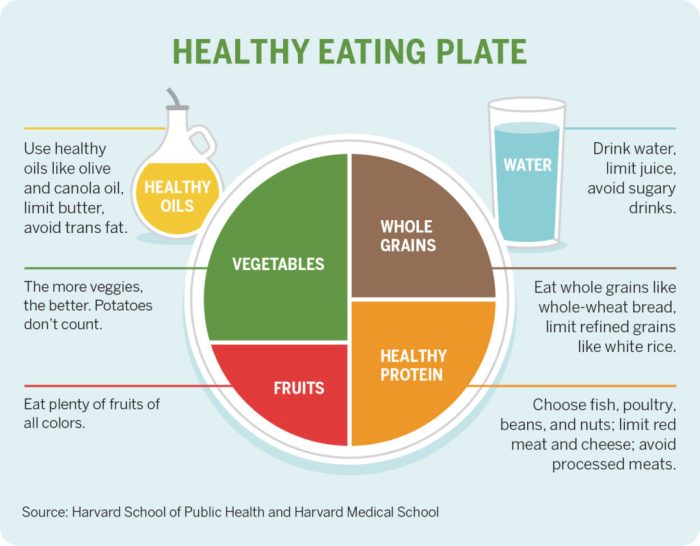
Integrating healthy eating habits into a daily routine is key to long-term wellness and disease prevention. A balanced diet rich in fruits, vegetables, whole grains, lean proteins, and healthy fats provides essential nutrients for the body to function optimally.
- Plan and prepare meals ahead of time to avoid unhealthy food choices.
- Choose whole, unprocessed foods over packaged or fast food options.
- Stay hydrated by drinking an adequate amount of water throughout the day.
- Practice mindful eating by paying attention to hunger and fullness cues.
Medical Innovations
Disease prevention through healthy eating habits – Medical innovations play a crucial role in supporting disease prevention through nutrition. These advancements utilize technology to promote healthy eating habits and personalized nutrition approaches to prevent diseases.
Utilization of Technology for Healthy Eating Habits
- Mobile Applications: Various mobile apps are available to help individuals track their nutritional intake, set dietary goals, and receive personalized recommendations based on their health status.
- Smart Kitchen Appliances: Technological devices like smart scales and kitchen gadgets can assist in portion control, recipe suggestions, and meal planning to encourage healthier eating habits.
- Online Platforms: Websites and online platforms offer virtual nutrition coaching, meal delivery services, and access to nutritional information to support individuals in making informed food choices.
Personalized Nutrition Approaches for Disease Prevention
- Genetic Testing: Genetic testing can provide insights into an individual’s unique genetic makeup, allowing healthcare professionals to recommend personalized dietary plans tailored to their genetic predispositions.
- Micronutrient Testing: Analyzing an individual’s nutrient levels can help identify deficiencies or excesses, enabling the development of targeted nutrition interventions to prevent diseases related to nutrient imbalances.
- Microbiome Analysis: Studying the gut microbiome can offer valuable information on how gut health impacts overall well-being, leading to personalized dietary recommendations to support a healthy microbiome and prevent related diseases.
Nutritional Supplements

Nutritional supplements play a crucial role in supporting disease prevention alongside healthy eating habits. They provide essential vitamins, minerals, and other nutrients that may be lacking in one’s diet, helping to fill nutritional gaps and support overall health and well-being.
Types of Supplements and Disease Prevention
- Vitamin C: Known for its immune-boosting properties, vitamin C supplements can help prevent colds and other infections.
- Vitamin D: Important for bone health, vitamin D supplements can reduce the risk of osteoporosis and fractures.
- Omega-3 Fatty Acids: Omega-3 supplements can help lower inflammation in the body and reduce the risk of heart disease.
- Probiotics: These supplements support gut health and can improve digestion, reducing the risk of gastrointestinal issues.
Consulting Healthcare Professionals
It is essential to consult healthcare professionals before incorporating supplements into a diet for disease prevention. Healthcare providers can offer personalized recommendations based on individual health needs, prevent potential interactions with medications, and ensure the supplements are safe and effective for the specific health goals of each individual.
Fitness Routine
Regular exercise is a crucial component of a healthy lifestyle, working hand in hand with nutritious eating habits to prevent diseases. By incorporating a well-rounded fitness routine into your daily regimen, you can enhance your immune system, reduce the risk of chronic illnesses, and maintain overall optimal health.
Benefits of Exercise for Disease Prevention
Regular physical activity has been linked to a stronger immune system, lower levels of inflammation, improved cardiovascular health, and better weight management. These factors play a significant role in reducing the risk of diseases such as heart disease, diabetes, obesity, and certain types of cancer.
- Cardiovascular Exercises: Activities like running, cycling, swimming, or brisk walking can help strengthen the heart and improve circulation, reducing the risk of heart disease and stroke.
- Strength Training: Incorporating weightlifting or bodyweight exercises into your routine can increase muscle mass, boost metabolism, and enhance bone density, reducing the risk of osteoporosis.
- Flexibility and Balance Exercises: Yoga, Pilates, or tai chi can improve flexibility, balance, and coordination, reducing the risk of falls and injuries as you age.
Remember, a combination of aerobic, strength, flexibility, and balance exercises is key to a well-rounded fitness routine that complements healthy eating habits for disease prevention.
Synergy Between Physical Activity and Nutrition
The synergy between physical activity and nutrition is essential for maintaining optimal health. Exercise helps regulate blood sugar levels, improve digestion, and enhance nutrient absorption, while proper nutrition provides the energy and nutrients needed for physical activity.
- Pre-Workout Nutrition: Consuming a balanced meal or snack rich in carbohydrates and protein before exercise can fuel your workouts, improve performance, and aid in muscle recovery.
- Post-Workout Nutrition: Replenishing your body with a combination of carbohydrates and protein after exercise is crucial for muscle repair, glycogen replenishment, and recovery.
- Hydration: Staying hydrated before, during, and after exercise is vital for regulating body temperature, lubricating joints, and transporting nutrients throughout the body.
Health Screenings
Regular health screenings play a crucial role in disease prevention by allowing early detection of potential health issues. These screenings help individuals identify any abnormalities or risk factors before they develop into serious conditions.
Common Health Screenings
- Blood Pressure Measurement: High blood pressure can lead to heart disease, stroke, and other complications. Regular blood pressure screenings can help monitor and manage hypertension.
- Cholesterol Test: High cholesterol levels can increase the risk of heart disease. Screening for cholesterol levels can help individuals take steps to improve their diet and lifestyle.
- Blood Glucose Test: Monitoring blood glucose levels is essential for early detection of diabetes. Regular screenings can help individuals manage their blood sugar levels effectively.
- Colonoscopy: This screening test can detect colorectal cancer early, allowing for timely treatment and prevention of the disease.
- Mammogram: Women should undergo regular mammograms to detect breast cancer in its early stages when it is most treatable.
Regular health screenings provide individuals with valuable information about their current health status. By understanding the results of these screenings, individuals can make informed choices about their diet and lifestyle to reduce their risk of developing chronic diseases. Consulting with healthcare professionals based on screening results can help individuals create personalized prevention plans to maintain optimal health.
Disease Prevention
Disease prevention is a proactive approach aimed at reducing the risk of developing various illnesses and conditions. It involves implementing strategies to maintain overall health and well-being, ultimately leading to a better quality of life.
Preventing chronic diseases through healthy eating habits is crucial for long-term health. By making nutritious food choices and maintaining a balanced diet, individuals can lower their risk of conditions such as heart disease, diabetes, and obesity.
Strategies for Preventing Chronic Diseases
- Incorporate a variety of fruits, vegetables, whole grains, and lean proteins into your daily meals.
- Limit intake of processed foods, sugary beverages, and high-fat snacks.
- Stay hydrated by drinking an adequate amount of water throughout the day.
- Engage in regular physical activity to support a healthy weight and overall well-being.
- Monitor your health regularly through check-ups and screenings to detect any potential issues early on.
Long-Term Benefits of Disease Prevention
- Reduced risk of developing chronic conditions such as heart disease, diabetes, and certain types of cancer.
- Improved overall health and well-being, leading to a higher quality of life.
- Increased longevity and a lower likelihood of experiencing severe health complications in the future.
- Lower healthcare costs associated with managing and treating preventable diseases.
- Enhanced mental health and emotional well-being due to a healthier lifestyle.
Sleep Hygiene
Adequate sleep is crucial for maintaining overall health and well-being. It plays a significant role in disease prevention, as it allows the body to rest, repair, and rejuvenate. Poor sleep hygiene, on the other hand, can lead to a variety of health issues, including weakened immune function and increased susceptibility to diseases.
Relationship between Sleep and Disease Prevention
Proper sleep hygiene is closely linked to disease prevention. When we consistently get enough high-quality sleep, our bodies are better equipped to fight off infections and illnesses. Sleep deprivation, on the other hand, can weaken the immune system and make us more vulnerable to diseases such as colds, flu, and even chronic conditions like heart disease and diabetes.
- Aim for 7-9 hours of sleep each night to support your immune system.
- Establish a consistent sleep schedule by going to bed and waking up at the same time every day.
- Create a relaxing bedtime routine to signal to your body that it’s time to wind down.
- Avoid caffeine, alcohol, and heavy meals close to bedtime, as they can disrupt sleep patterns.
- Keep your bedroom dark, cool, and quiet to create an optimal sleep environment.
Impact of Sleep Quality on Immune Function
Quality sleep is essential for maintaining a robust immune system. During sleep, the body produces cytokines, a type of protein that helps regulate the immune response. Chronic sleep deprivation can lead to lower levels of these protective proteins, making it harder for the body to fend off infections and illnesses.
Improving sleep hygiene can enhance immune function and increase the body’s ability to prevent diseases.
Mental Clarity
Healthy eating habits play a crucial role in promoting mental clarity and cognitive function. The foods we consume have a direct impact on our brain health, influencing our ability to focus, concentrate, and maintain mental sharpness. By choosing nutrient-rich foods that support brain function, we can enhance our cognitive abilities and reduce the risk of cognitive decline.
Foods for Brain Health
- Fatty Fish: Rich in omega-3 fatty acids, fatty fish like salmon, mackerel, and sardines are beneficial for brain health. Omega-3s help build brain cell membranes and improve brain function.
- Blueberries: Packed with antioxidants, blueberries can help improve communication between brain cells, enhance memory, and reduce the effects of age-related cognitive decline.
- Dark Chocolate: Dark chocolate contains flavonoids, caffeine, and antioxidants that can improve focus, concentration, and mood by increasing blood flow to the brain.
- Nuts and Seeds: Almonds, walnuts, flaxseeds, and chia seeds are great sources of nutrients like omega-3 fatty acids, antioxidants, and vitamin E, which support brain health and cognitive function.
Nutritional Choices and Mental Well-being
Nutrition plays a vital role in mental well-being and disease prevention. A diet rich in fruits, vegetables, whole grains, lean proteins, and healthy fats can provide the essential nutrients needed for optimal brain function. By fueling our bodies with the right foods, we can support our mental clarity, mood stability, and overall cognitive health. Making smart nutritional choices is key to maintaining mental well-being and reducing the risk of neurological disorders.
Hydration Importance
Proper hydration plays a crucial role in disease prevention and overall health. Staying adequately hydrated throughout the day is essential for maintaining optimal bodily functions and supporting efforts to prevent various diseases.
Tips for Staying Hydrated
- Carry a reusable water bottle with you wherever you go to remind yourself to drink water regularly.
- Set reminders on your phone or computer to take water breaks throughout the day.
- Infuse your water with fresh fruits or herbs to add flavor and encourage increased intake.
- Drink a glass of water before each meal to help with digestion and hydration.
Effects of Water Intake on Bodily Functions, Disease prevention through healthy eating habits
Water intake affects various bodily functions in the following ways:
- Helps regulate body temperature through sweating and cooling mechanisms.
- Aids in digestion and nutrient absorption, promoting overall gut health.
- Flushes out toxins and waste products through urine, supporting kidney function.
- Maintains proper blood volume and circulation, essential for cardiovascular health.
Commonly Asked Questions: Disease Prevention Through Healthy Eating Habits
How important is stress management in disease prevention through healthy eating habits?
Stress management plays a crucial role as it can enhance the effectiveness of disease prevention strategies by reducing stress levels.
What are some examples of innovative medical approaches focusing on personalized nutrition for disease prevention?
Medical innovations like personalized nutrition plans tailored to individual needs are gaining popularity for disease prevention.
How does sleep hygiene impact disease prevention?
Adequate sleep is essential for overall health and well-being, supporting disease prevention efforts by improving immune function.


More Stories
Hydration and its effects on cognitive function: Understanding the Impact
Mental clarity techniques for improving decision-making
Natural supplements for mental clarity: Enhancing cognitive function naturally with supplements