Stress Management
How to improve sleep with melatonin supplements – Stress can significantly impact the quality of sleep a person gets. When individuals experience high levels of stress, their bodies release cortisol, a hormone that can interfere with the natural sleep cycle, making it difficult to fall asleep and stay asleep throughout the night.
Relationship between Stress and Sleep Quality, How to improve sleep with melatonin supplements
- Chronic stress can lead to insomnia, restless sleep, or frequent awakenings during the night.
- Increased stress levels can also contribute to the development of anxiety disorders, which further disrupt sleep patterns.
- Poor sleep resulting from stress can create a vicious cycle, as lack of sleep can increase stress levels, creating a detrimental feedback loop.
Reducing Stress Levels to Improve Sleep
- Engage in relaxation techniques such as deep breathing, meditation, or yoga to calm the mind and body before bedtime.
- Establish a consistent bedtime routine to signal to your body that it is time to unwind and prepare for sleep.
- Avoid stimulants like caffeine and electronic devices close to bedtime, as they can exacerbate stress and hinder relaxation.
- Practice mindfulness and positive thinking to shift focus away from stressors and promote a more peaceful state of mind.
Healthy Lifestyle
Maintaining a healthy lifestyle can significantly impact the quality of your sleep. By adopting healthy habits, you can promote better sleep and overall well-being.
Examples of Healthy Habits for Better Sleep
- Avoiding caffeine and heavy meals close to bedtime.
- Establishing a relaxing bedtime routine to signal your body it’s time to sleep.
- Creating a comfortable sleep environment with a supportive mattress and pillows.
Role of Exercise and Nutrition in Improving Sleep Quality
Regular exercise can help regulate your sleep patterns and improve the quality of your sleep. Physical activity during the day can promote better sleep at night. Additionally, a well-balanced diet rich in nutrients can also positively impact your sleep quality. Make sure to include foods that promote relaxation and avoid heavy or spicy meals close to bedtime for optimal sleep.
Medical Innovations
When it comes to improving sleep, medical innovations have played a significant role in utilizing melatonin supplements. These supplements have shown promising results in regulating sleep patterns and addressing sleep disorders.
Role of Melatonin Supplements in Improving Sleep
- Melatonin supplements work by mimicking the natural hormone produced by the pineal gland in the brain.
- They help regulate the body’s internal clock, known as the circadian rhythm, which controls the sleep-wake cycle.
- By taking melatonin supplements, individuals can improve the quality and duration of their sleep, especially for those experiencing insomnia or jet lag.
Science Behind Melatonin and Sleep Cycles
- Melatonin is responsible for signaling the body that it is time to sleep, helping to induce drowsiness and promote a restful night’s sleep.
- It interacts with receptors in the brain to reduce alertness and prepare the body for rest.
- The production of melatonin is influenced by external factors such as light exposure, which is why melatonin supplements can be beneficial for those with irregular sleep patterns.
Recent Advancements in Medical Research
- Recent studies have explored the potential of using melatonin supplements in treating certain sleep disorders, such as delayed sleep phase disorder and shift work sleep disorder.
- Researchers are also investigating the role of melatonin in improving sleep quality for individuals with neurodegenerative diseases like Alzheimer’s.
- New formulations and delivery methods for melatonin supplements are being developed to enhance their effectiveness and ensure better absorption in the body.
Nutritional Supplements
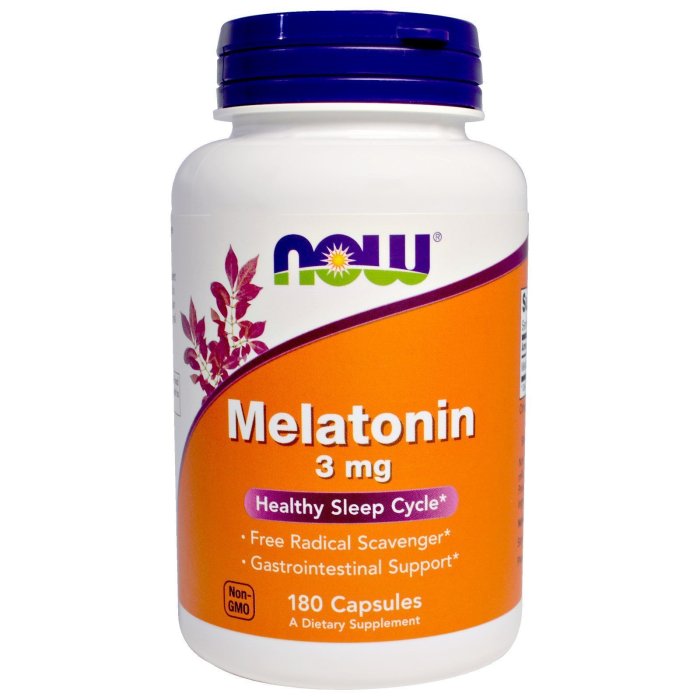
Melatonin supplements are synthetic versions of the hormone melatonin that is naturally produced in the body. Melatonin plays a key role in regulating the sleep-wake cycle, helping to signal to the body when it’s time to sleep.
Comparison with Other Sleep Aids
- Melatonin supplements are different from other sleep aids, such as prescription medications or over-the-counter sleep aids, because they work by directly influencing the body’s natural sleep-wake cycle.
- Unlike some other sleep aids that may cause drowsiness or grogginess the next day, melatonin supplements are typically well-tolerated and do not have as many side effects.
- While some sleep aids may be habit-forming, melatonin supplements are generally considered safe for short-term use and do not lead to dependence.
Recommended Dosage and Timing
Melatonin supplements are available in various strengths, typically ranging from 1-10 mg. It is recommended to start with a low dose, such as 1-3 mg, and adjust as needed. It is best to take melatonin supplements about 30 minutes to an hour before bedtime to help signal to the body that it’s time to sleep.
Fitness Routine
Regular physical activity is closely linked to the quality of sleep an individual experiences. Engaging in exercise can help regulate your circadian rhythm, reduce stress levels, and improve overall health, all of which contribute to better sleep. Here are some tips on how to incorporate exercise into your daily routine to enhance your sleep quality:
Incorporating Exercise into Daily Routine
- Choose activities you enjoy: Whether it’s walking, running, dancing, or yoga, pick exercises that you find enjoyable to increase the likelihood of sticking with them.
- Schedule workouts at the right time: Aim to exercise at least a few hours before bedtime to allow your body temperature to cool down, signaling to your brain that it’s time to sleep.
- Start slow and gradually increase intensity: If you’re new to exercise, start with low-impact activities and gradually build up intensity to avoid overexertion and improve sleep quality.
Best Types of Exercises for Sleep Improvement
- Aerobic exercises: Activities like brisk walking, jogging, or cycling can help improve sleep quality by reducing anxiety and stress levels.
- Strength training: Incorporating weightlifting or bodyweight exercises into your routine can enhance sleep by promoting muscle recovery and growth during rest.
- Yoga and stretching: Practicing yoga or gentle stretching exercises can help relax your body and mind, leading to better sleep patterns.
Health Screenings
Regular health screenings play a crucial role in identifying underlying issues that may be affecting your sleep quality. By detecting potential health problems early on, you can address them effectively and improve your overall sleep patterns.
Examples of Health Screenings Impacting Sleep Disorders
- Polysomnography: This sleep study helps diagnose various sleep disorders like sleep apnea, restless legs syndrome, and narcolepsy.
- Thyroid Function Tests: Thyroid imbalances can disrupt sleep patterns, so regular thyroid screenings are essential.
- Blood Pressure Monitoring: High blood pressure can contribute to sleep disturbances, making it important to monitor and manage blood pressure levels.
- Diabetes Screening: Diabetes can lead to sleep problems like insomnia and restless legs syndrome, underscoring the need for regular screenings.
Disease Prevention
Preventing certain diseases not only contributes to overall health but can also lead to better sleep. Chronic illnesses are often linked to sleep disturbances, making it crucial to focus on preventive measures that can improve both health and sleep quality.
The Link Between Chronic Illnesses and Sleep Disturbances
Chronic illnesses such as heart disease, diabetes, and respiratory conditions can significantly impact sleep quality. The symptoms of these diseases, such as pain, discomfort, or breathing difficulties, can disrupt sleep patterns and lead to insomnia or other sleep disorders.
- Addressing the underlying chronic illness through proper management and treatment can help improve sleep quality. For example, managing pain levels or controlling blood sugar levels in diabetes can lead to better sleep.
- Seeking medical advice and following a treatment plan for chronic conditions can reduce the impact of symptoms on sleep, promoting a more restful night’s rest.
- Implementing lifestyle changes such as regular exercise, a balanced diet, and stress management techniques can help prevent the onset or progression of chronic diseases, ultimately improving sleep quality.
Sleep Hygiene
Sleep hygiene refers to a set of practices and habits that are necessary for quality sleep. It involves creating a sleep-friendly environment and following bedtime routines that promote restful and uninterrupted sleep.
Creating a Sleep-Friendly Environment
- Avoid exposure to screens before bedtime, as the blue light can disrupt the production of melatonin, a hormone that regulates sleep.
- Keep your bedroom dark, quiet, and cool to promote relaxation and comfort.
- Invest in a comfortable mattress and pillows that support a good sleeping posture.
- Avoid consuming caffeine, alcohol, or heavy meals close to bedtime, as they can interfere with your sleep.
Bedtime Routines for Better Sleep Hygiene
- Establish a consistent sleep schedule by going to bed and waking up at the same time every day, even on weekends.
- Engage in relaxing activities before bedtime, such as reading a book, taking a warm bath, or practicing deep breathing exercises.
- Avoid engaging in stimulating activities, such as working or exercising, close to bedtime.
- Create a bedtime routine that signals to your body that it is time to wind down and prepare for sleep.
Mental Clarity
Improving sleep quality is closely linked to mental clarity. When we get enough restful sleep, our brain functions better, allowing us to think more clearly, focus better, and make decisions more effectively. Sleep deprivation, on the other hand, can lead to cognitive impairment, memory problems, and difficulty concentrating.
Impact of Sleep on Cognitive Function
Having a good night’s sleep not only helps us feel refreshed but also plays a crucial role in enhancing cognitive function. During sleep, our brain consolidates memories, processes information, and clears out toxins that accumulate during the day. This restoration process is essential for optimal brain function, including improved learning, problem-solving, and decision-making abilities.
Role of Melatonin Supplements
Melatonin supplements can also contribute to mental clarity and focus by regulating our sleep-wake cycle. By taking melatonin supplements, especially if you have difficulty falling asleep or staying asleep, you can improve the quality of your sleep, which in turn enhances cognitive function. Melatonin helps signal to your body that it’s time to rest, promoting a more restful and rejuvenating sleep that supports mental clarity and sharpness during the day.
Hydration Importance: How To Improve Sleep With Melatonin Supplements
Staying hydrated is crucial for overall health and well-being, but it also plays a significant role in promoting better sleep. Dehydration can have negative effects on sleep quality, making it essential to prioritize hydration throughout the day to improve sleep patterns.
The Role of Hydration in Promoting Better Sleep
Proper hydration helps regulate body temperature and ensure optimal functioning of bodily processes during sleep. Dehydration can lead to discomfort, muscle cramps, and even contribute to conditions like snoring and sleep apnea, all of which can disrupt sleep.
Tips for Staying Hydrated to Improve Sleep Patterns
- Carry a water bottle with you throughout the day to remind yourself to drink regularly.
- Set specific goals for daily water intake based on your individual needs and activity level.
- Include hydrating foods in your diet, such as fruits and vegetables with high water content.
- Avoid excessive caffeine and alcohol consumption, as they can contribute to dehydration.
- Drink a glass of water before bedtime to stay hydrated during the night.
FAQ Resource
Can melatonin supplements help improve sleep quality?
Yes, melatonin supplements can regulate sleep-wake cycles and improve overall sleep quality.
Are there any side effects of taking melatonin supplements?
Some individuals may experience drowsiness, headaches, or nausea as side effects of melatonin supplements.
What is the recommended dosage for melatonin supplements?
Typically, a dosage of 1-3 milligrams is recommended for adults, taken 30 minutes before bedtime.
Can melatonin supplements be taken with other medications?
It is advisable to consult with a healthcare provider before taking melatonin supplements with other medications to avoid potential interactions.


More Stories
Hydration and its effects on cognitive function: Understanding the Impact
Mental clarity techniques for improving decision-making
Natural supplements for mental clarity: Enhancing cognitive function naturally with supplements