Genetic Health Screenings for Inherited Conditions
Genetic health screenings play a crucial role in identifying inherited conditions that individuals may be at risk for. By analyzing an individual’s genetic makeup, healthcare professionals can determine the likelihood of developing certain conditions and provide personalized care and interventions.
Examples of Common Inherited Conditions
- Cystic Fibrosis
- Hemochromatosis
- Huntington’s Disease
- Sickle Cell Anemia
Process of Genetic Testing and Counseling
Genetic testing involves analyzing a sample of DNA to look for specific changes or mutations that may indicate a genetic condition. Genetic counselors help individuals understand the implications of their test results and provide guidance on available treatment options and preventive measures.
Benefits of Early Detection
- Early intervention and treatment can help manage symptoms and improve quality of life.
- Allows individuals to make informed decisions about their health and future planning.
- Preventive measures can be taken to reduce the risk of developing certain conditions.
Stress Management
Effective stress management is crucial for improving overall health and well-being. Chronic stress can have a negative impact on genetic health and inherited conditions, exacerbating symptoms and increasing the risk of developing related diseases. By incorporating stress-reducing activities into daily routines, individuals can not only manage their stress levels but also prevent potential health complications. The connection between stress management and disease prevention is significant, highlighting the importance of adopting healthy coping mechanisms.
Techniques for Stress Management
- Practice mindfulness and meditation to reduce anxiety and promote relaxation.
- Engage in regular physical activity to release endorphins and relieve stress.
- Establish a healthy work-life balance to prevent burnout and reduce stress levels.
- Socialize with friends and family to build a support system and share concerns.
- Get enough sleep to recharge the body and improve resilience to stress.
Impact of Chronic Stress on Genetic Health
- Chronic stress can trigger inflammation in the body, leading to a compromised immune system.
- Stress hormones like cortisol can disrupt genetic functioning and increase the risk of inherited conditions manifesting.
- Prolonged stress can exacerbate symptoms of genetic disorders and contribute to disease progression.
Incorporating Stress-Reducing Activities into Daily Routines
- Set aside time for relaxation techniques such as deep breathing or progressive muscle relaxation.
- Schedule regular breaks throughout the day to prevent overwhelm and promote mental clarity.
- Prioritize self-care activities like hobbies, reading, or spending time in nature to reduce stress levels.
- Avoid overcommitting and learn to say no to unnecessary tasks or responsibilities.
Connection Between Stress Management and Disease Prevention
- Effective stress management can lower the risk of developing chronic diseases linked to genetic predispositions.
- Reducing stress levels can improve overall immune function and enhance the body’s ability to fight off illnesses.
- Healthy coping strategies can promote longevity and increase the likelihood of maintaining optimal health.
Healthy Lifestyle
Maintaining a healthy lifestyle plays a crucial role in supporting genetic health. By incorporating habits like proper nutrition, regular exercise, and sufficient sleep, individuals can positively impact their overall well-being and potentially reduce the risk of inherited conditions.
Nutrition
Proper nutrition is essential for genetic health as it provides the necessary nutrients for optimal bodily function. A balanced diet rich in fruits, vegetables, lean proteins, and whole grains can help support genetic expression and reduce the likelihood of certain inherited conditions.
Exercise
Regular physical activity is another key component of a healthy lifestyle that can influence genetic health. Exercise not only helps maintain a healthy weight but also promotes cardiovascular health, strengthens muscles, and improves overall well-being. By engaging in activities like cardio, strength training, or flexibility exercises, individuals can enhance their genetic well-being.
Sleep
Adequate sleep is vital for genetic health as it allows the body to repair and regenerate cells. Lack of sleep can disrupt hormonal balance, weaken the immune system, and increase the risk of various health issues. Establishing a consistent sleep routine and aiming for 7-9 hours of quality sleep each night can positively impact genetic expression and overall health.
Healthy Habits
In addition to nutrition, exercise, and sleep, there are other healthy habits that can promote genetic well-being. These include staying hydrated, managing stress effectively, avoiding harmful substances like tobacco and excessive alcohol, and maintaining regular health check-ups. By adopting these habits, individuals can create a supportive environment for their genetic health.
Medical Innovations
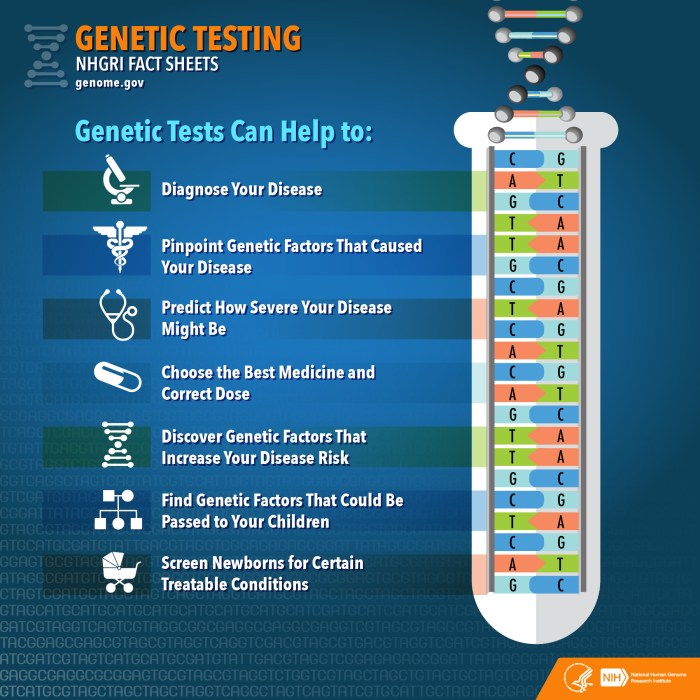
In recent years, there have been significant advancements in genetic testing technology for inherited conditions, revolutionizing the field of healthcare. These innovations have not only improved the accuracy and accessibility of genetic health screenings but have also paved the way for innovative treatments and therapies for individuals with inherited conditions.
Advancements in Genetic Testing Technology
- Introduction of Next-Generation Sequencing (NGS) technology has enabled faster and more comprehensive analysis of an individual’s genetic makeup, allowing for the detection of a wide range of inherited conditions.
- Development of direct-to-consumer genetic testing kits has made genetic testing more accessible to the general public, empowering individuals to take control of their health.
Innovative Treatments for Inherited Conditions
- Gene therapy, a cutting-edge treatment approach, has shown promising results in correcting faulty genes responsible for inherited conditions such as cystic fibrosis and sickle cell anemia.
- Personalized medicine, which tailors treatment plans based on an individual’s genetic profile, has revolutionized the management of inherited conditions, leading to more effective and targeted therapies.
Future Developments in Genetic Health Screening Technology
- Advancements in artificial intelligence and machine learning algorithms are expected to enhance the accuracy and interpretation of genetic testing results, leading to more precise diagnoses and personalized treatment recommendations.
- Integration of genetic data with other health metrics, such as lifestyle factors and environmental exposures, is anticipated to provide a more holistic approach to healthcare, enabling early intervention and prevention of inherited conditions.
Nutritional Supplements
Nutritional supplements play a crucial role in supporting genetic health by providing essential vitamins, minerals, and nutrients that may be lacking in an individual’s diet. These supplements can help improve overall well-being and address specific health concerns related to inherited conditions.
Specific Supplements for Inherited Conditions
- Omega-3 fatty acids: Omega-3 supplements can benefit individuals with cardiovascular conditions, such as inherited high cholesterol or heart disease.
- Vitamin D: Vitamin D supplements are essential for individuals with genetic predispositions to osteoporosis or autoimmune disorders.
- Coenzyme Q10: CoQ10 supplements can support individuals with mitochondrial disorders or heart conditions.
Guidelines for Safe Incorporation
- Consult with a healthcare provider: Before adding any nutritional supplements to your routine, consult with a healthcare professional to determine the right dosage and ensure compatibility with any medications or existing health conditions.
- Choose quality products: Select reputable brands and products that have been tested for purity and potency to ensure effectiveness and safety.
- Start slowly: Introduce one supplement at a time to monitor any potential side effects or interactions with other medications.
Complementing Genetic Health Screenings
Nutritional supplements can complement genetic health screenings by addressing specific nutritional deficiencies or imbalances identified through genetic testing. By incorporating supplements targeted to individual needs, individuals can support their genetic health and overall well-being more effectively.
Fitness Routine
Regular exercise plays a crucial role in maintaining genetic health by positively influencing genetic expression and overall health outcomes. Physical activity is essential in preventing inherited conditions and promoting overall well-being.
Impact of Regular Exercise on Genetic Health
Regular exercise has been shown to have a significant impact on genetic health by influencing genetic expression. Physical activity can help regulate gene activity, leading to positive health outcomes and reducing the risk of inherited conditions. Exercise also plays a key role in maintaining a healthy weight, which is essential for overall health and minimizing the impact of genetic predispositions.
Importance of Physical Activity in Preventing Inherited Conditions
Physical activity is crucial in preventing inherited conditions by promoting overall health and well-being. Regular exercise can help reduce the risk of chronic diseases associated with genetic factors and improve quality of life. By maintaining a consistent fitness routine, individuals can better manage their genetic predispositions and enhance their overall health outcomes.
Examples of Fitness Routines for Genetic Health
- Cardiovascular exercises such as running, cycling, or swimming can improve heart health and circulation, reducing the risk of cardiovascular diseases.
- Strength training exercises like weightlifting or bodyweight exercises can help build muscle mass and strength, promoting overall physical health.
- Flexibility exercises such as yoga or Pilates can improve flexibility, balance, and reduce the risk of injuries, enhancing overall physical well-being.
Positive Influence of Exercise on Genetic Expression
Regular exercise can positively influence genetic expression by promoting the activation of beneficial genes and suppressing harmful ones. Physical activity can help regulate gene activity related to metabolism, inflammation, and disease prevention, leading to improved health outcomes. By incorporating a consistent fitness routine, individuals can optimize their genetic potential and enhance their overall well-being.
Health Screenings
Regular health screenings play a crucial role in early detection of potential genetic health issues. By identifying these conditions at an early stage, individuals can take proactive steps to manage and treat them effectively.
Types of Health Screenings, Genetic health screenings for inherited conditions
- Physical Exams: Regular check-ups with healthcare providers can help monitor overall health and detect any underlying issues.
- Blood Tests: These tests can evaluate cholesterol levels, blood sugar, and various other health markers.
- Imaging Tests: X-rays, MRIs, and CT scans can provide detailed images of internal organs for early detection of abnormalities.
- Cancer Screenings: Mammograms, colonoscopies, and Pap smears are essential for detecting cancer in its early stages.
Recommended Screening Timeline
- 20s-30s: Regular blood pressure, cholesterol, and diabetes screenings.
- 40s: Mammograms, colonoscopies, and bone density tests may be recommended.
- 50s and beyond: Continued screenings for cancer, heart disease, and other age-related conditions.
Benefits of Proactive Health Screenings
Regular health screenings can help prevent inherited conditions by identifying risk factors early on. They also enable healthcare providers to develop personalized prevention and treatment plans for individuals based on their genetic makeup and overall health status.
Disease Prevention: Genetic Health Screenings For Inherited Conditions
Genetic health screenings for inherited conditions – Preventing diseases is crucial, especially for individuals with inherited conditions, as they are already at a higher risk. Early intervention and lifestyle modifications play a significant role in reducing the likelihood of genetic health issues. By implementing preventive measures, individuals can proactively manage their health and minimize the impact of inherited conditions.
Strategies for Disease Prevention
- Regular health screenings: Routine screenings can help detect any potential health concerns early on, allowing for timely intervention.
- Healthy diet and exercise: Maintaining a balanced diet and staying physically active can support overall health and reduce the risk of developing genetic health issues.
- Genetic counseling: Consulting with a genetic counselor can provide valuable insights into one’s inherited conditions and help in making informed decisions about preventive measures.
- Stress management: Managing stress through relaxation techniques, mindfulness, or therapy can lower the impact of genetic predispositions to certain health conditions.
Impact of Disease Prevention
-
Preventive measures can significantly reduce the risk of developing inherited conditions, leading to improved overall health outcomes.
- Early intervention through disease prevention efforts can help individuals better manage their genetic health and potentially delay or mitigate the onset of certain conditions.
- By adopting a proactive approach to disease prevention, individuals with inherited conditions can take control of their health and well-being, ultimately enhancing their quality of life.
Sleep Hygiene
Good sleep hygiene plays a crucial role in supporting overall health and genetic well-being. The quality and duration of sleep can directly impact genetic expression and the risk of developing inherited conditions. Establishing healthy sleep habits is essential for optimal genetic health outcomes.
Importance of Good Sleep Hygiene
Maintaining good sleep hygiene is vital for regulating genetic processes and reducing the risk of genetic mutations. Adequate sleep helps in repairing DNA damage and promoting healthy gene expression. Poor sleep habits, on the other hand, can lead to disruptions in genetic functioning and increase susceptibility to inherited conditions.
- Aim for 7-9 hours of quality sleep each night to support optimal genetic health.
- Avoid caffeine and electronic devices before bedtime to improve sleep quality.
- Create a relaxing bedtime routine to signal your body that it’s time to sleep.
- Keep your sleep environment dark, quiet, and cool for better restorative sleep.
Connection between Sleep and Genetic Health
Optimal sleep patterns are linked to improved genetic health outcomes by influencing gene expression, DNA repair mechanisms, and overall cellular function. Lack of sleep or poor sleep quality can contribute to genetic instability and increase the risk of developing inherited conditions.
Adequate sleep is essential for maintaining genetic integrity and promoting overall well-being.
Mental Clarity
Maintaining mental clarity is essential for overall well-being and cognitive function. It plays a crucial role in our ability to focus, make decisions, and process information effectively. In addition to lifestyle choices and stress management, genetic health can also influence our mental clarity.
Strategies for Enhancing Mental Clarity
- Engage in regular physical exercise to increase blood flow to the brain and promote neurogenesis.
- Practice mindfulness and meditation to reduce stress levels and improve cognitive function.
- Get an adequate amount of quality sleep to allow the brain to rest and recharge.
- Follow a balanced diet rich in antioxidants, omega-3 fatty acids, and vitamins that support brain health.
Activities to Improve Cognitive Health
- Challenge your brain with puzzles, games, or learning new skills to stimulate neural connections.
- Engage in social interactions to boost mood, reduce the risk of cognitive decline, and enhance mental well-being.
- Avoid multitasking and practice focus and concentration to improve cognitive performance.
Importance of Mental Clarity for Health
Maintaining mental clarity not only improves cognitive function but also contributes to overall health and disease prevention. When our minds are clear and focused, we are better equipped to make healthy choices, manage stress effectively, and stay motivated to engage in behaviors that promote well-being.
Hydration Importance

Maintaining proper hydration is crucial for supporting genetic health and overall well-being. Adequate water intake plays a vital role in various bodily functions, including gene expression and disease prevention.
Role of Hydration in Genetic Health
Proper hydration is essential for optimal genetic expression. Dehydration can negatively impact gene regulation, leading to potential health issues and exacerbating inherited conditions. By staying hydrated, individuals can support their genetic health and reduce the risk of genetic predispositions manifesting into diseases.
Guidelines for Daily Water Intake
– The general recommendation is to drink at least 8-10 cups of water per day.
– Adjust your water intake based on activity levels, climate, and individual needs.
– Pay attention to signs of dehydration, such as dry mouth, fatigue, and dark urine, and increase water consumption accordingly.
Benefits of Proper Hydration
– Proper hydration can help prevent DNA damage and promote cellular repair.
– Hydration supports the body’s detoxification processes, flushing out harmful toxins that can impact genetic health.
– Adequate water intake improves nutrient absorption and circulation, enhancing overall well-being and genetic health outcomes.
FAQ Corner
How do genetic health screenings help in identifying inherited conditions?
Genetic health screenings can detect specific genetic variations associated with inherited conditions, providing individuals with valuable information about their risk factors.
What are some common inherited conditions that can be detected through genetic health screenings?
Conditions like cystic fibrosis, sickle cell anemia, and Huntington’s disease are examples of genetic disorders that can be identified through these screenings.
How can lifestyle choices influence genetic expression and inherited conditions?
Healthy habits like proper nutrition, regular exercise, and adequate sleep can positively impact genetic expression, potentially reducing the risk of inherited conditions.


More Stories
Hydration and its effects on cognitive function: Understanding the Impact
Mental clarity techniques for improving decision-making
Natural supplements for mental clarity: Enhancing cognitive function naturally with supplements